
Oil benchmarks rose further on Thursday morning after a fresh round of U.S.-Iran military action heightened worries about energy shipments from the Middle East. By 19:39 ET (23:39 GMT), West Texas Intermediate crude futures had climbed 1.1% to $97.14 a barrel, marking the highest level for WTI since late July. Brent crude was coming off a settlement that gained 3.9% to $101.75 a barrel on Wednesday, its strongest close in roughly four months.
Markets moved higher following one of the most intense episodes of strikes on shipping since the conflict began in February. The escalation came after a short lull in August, with both sides trading blows at sea and around key maritime chokepoints.
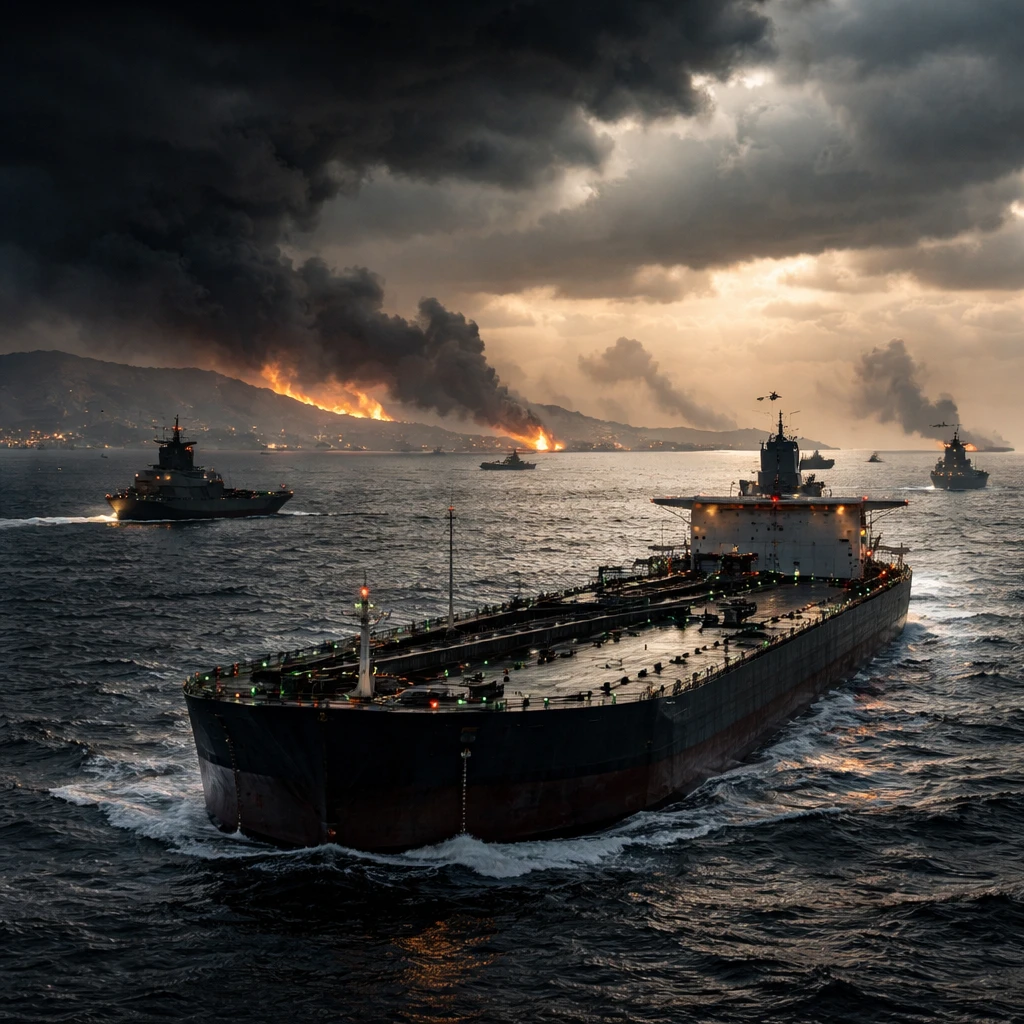
Iran reported that it struck 10 ships in and around the Strait of Hormuz on Wednesday. In response, U.S. forces said they had sunk five Iranian oil tankers. Those exchanges have kept flows through the Strait of Hormuz at only a fraction of pre-war volumes, a condition traders say is keeping global oil markets on edge over persistent supply disruption risks.
Compounding the pressure on supply corridors, Yemen's Iran-backed Houthi group carried out attacks this week on Saudi Arabian energy infrastructure. Analysts noted that such actions raise the prospect that disruptions could spread beyond the immediate Hormuz area and affect wider Gulf output.
Commenting on the implications for shipping and crude flows, ANZ analysts wrote: "The tit-for-tat attacks suggest oil flows from the Persian Gulf are likely to remain disrupted for the foreseeable future.. The broadening of the conflict threatens to risk even deeper disruption to oil supplies that had already left the oil market scrambling to adjust."
Political signals have been mixed. U.S. President Donald Trump told reporters on Wednesday that the Iran war will end after the mid-term elections in November. At the same time, a report from the Wall Street Journal indicated that some of Trump's top advisers were warning the conflict could continue through the remainder of his term, amid few signs of de-escalation. Those contrasting messages reflect the uncertainty surrounding the duration and intensity of the hostilities.
Traders and market participants are watching maritime activity, regional strikes and official statements closely for signs that oil supplies may be further impaired. With flows via the Strait of Hormuz still well below normal and attacks on energy infrastructure occurring beyond the immediate chokepoint, market participants say the risk premium in crude prices is likely to remain elevated until there are clearer indicators of de-escalation or restored shipping volumes.
Detailed price points and timeline
- West Texas Intermediate: $97.14 a barrel by 19:39 ET (23:39 GMT), up 1.1% and at its highest since late July.
- Brent crude: settled up 3.9% at $101.75 a barrel on Wednesday, a four-month high.
- Recent military exchanges included Iran striking 10 ships in and around Hormuz and the U.S. saying it sank five Iranian oil tankers.
The combination of direct strikes on shipping, attacks on regional energy infrastructure and reduced flows through the Strait of Hormuz has added a pronounced risk premium to crude markets, leaving traders to weigh how long disruptions may persist and how widespread their economic effects could become.