
Market snapshot
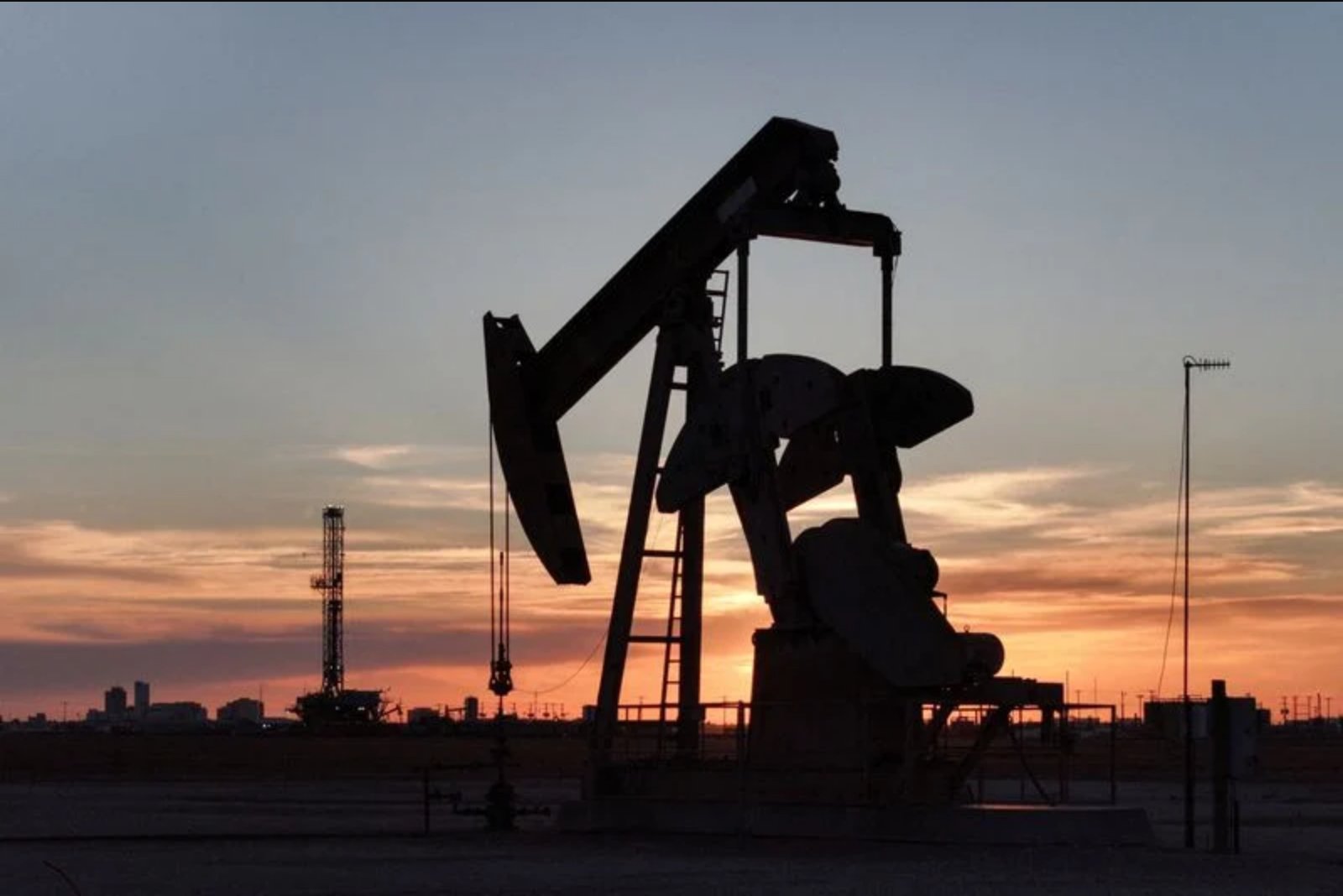
Oil futures climbed on Friday, continuing a run that left both benchmarks on track for their largest weekly increases since mid-July. At 0100 GMT, Brent crude futures were trading at $95.67 a barrel, up $0.15 or 0.2%. U.S. West Texas Intermediate crude was at $91.56 a barrel, up $0.26 or 0.3%.
For the week, Brent had gained 7.1% while WTI was up 9.8%, marking the strongest week-over-week advances since the week ended July 20.
Geopolitical drivers
Traders pointed to a renewed spike in hostilities between the United States and Iran as a key factor underpinning the move higher. U.S. strikes this week killed and wounded dozens, including Iranian civilians, representing the most intense clashes between the two countries since July. The military confrontation is unfolding within a broader regional war that began with U.S.-Israeli strikes at the end of February and is now in its seventh month.
Israeli Defence Minister Israel Katz reiterated warnings that Israel would "cripple" Iran's military and civilian infrastructure, including energy facilities, a statement that contributed to market unease about potential future supply disruptions.
U.S. Vice President JD Vance told reporters that Washington does not plan to hold talks with Iran unless Tehran stops attacking commercial shipping in the Strait of Hormuz, reiterating the link between maritime security and diplomatic engagement.
Shipping and transit measures
Compounding concerns, Iran expanded the roster of vessels it regards as non-compliant and therefore subject to fines, confiscation or detention if they attempt to transit the Strait of Hormuz. The expanded list narrows the pool of ships Tehran allows to pass, with Iraqi vessels remaining among the few Tehran has cleared to make the transit.
Regional flows and supply changes
Iraq reported a rise in oil exports, increasing to around 2.34 million barrels per day in August from about 1.35 million bpd in July, according to two Iraqi energy officials. Officials said September exports were also expected to increase as heavy discounts and Iranian approvals for Iraqi tankers encouraged buyers.
Broader market context
The market move was partly tempered by comments from Russian President Vladimir Putin that there remained a path to a deal to end the war in Ukraine, and by his observation that both the U.S. and China were prepared to support a peace settlement. Those remarks provided some offset to the supply-risk narrative, but did not eliminate the immediate price response to heightened U.S.-Iran tensions and tighter transit controls.
Overall, traders and regional developments combined to lift crude benchmarks sharply on the week, with shipping rules for the Strait of Hormuz and the intensity of recent clashes between the U.S. and Iran emerging as the principal near-term drivers of price moves.