
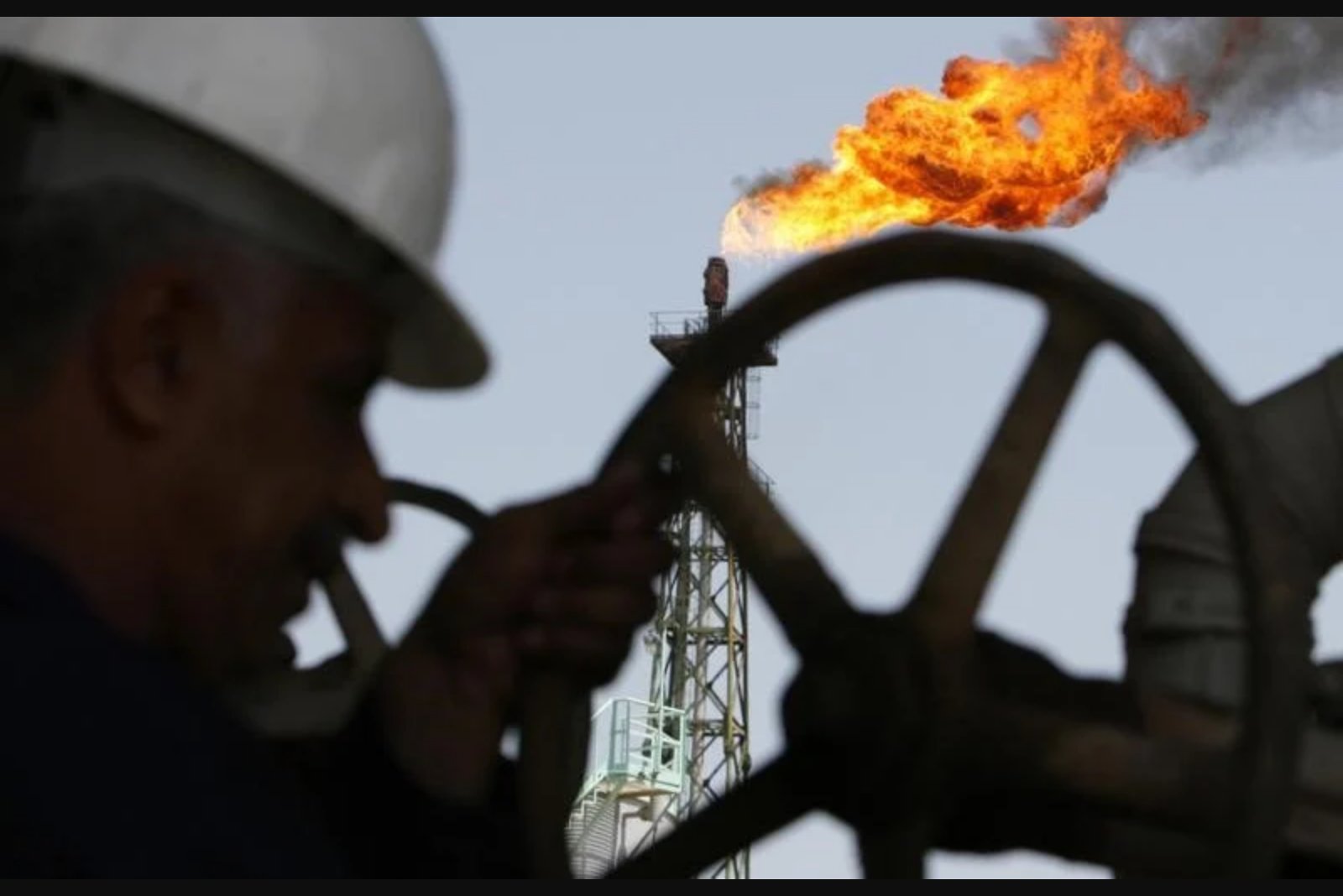
Oil extended its recent upward move on Tuesday as traders digested threats from Iran that energy facilities across the Gulf could be targeted in response to strikes on its assets. Market participants assessed the prospect of new maritime restrictions in a critical shipping corridor, keeping risk premia in crude prices elevated.
Market moves
Brent crude futures for November delivery were trading up 1.6% at $98.73 a barrel by 02:59 ET (06:59 GMT). U.S. West Texas Intermediate (WTI) futures rose 2.9% to $94.14 per barrel. Brent had settled nearly 1% higher on Monday after briefly touching $98 a barrel in the prior session.
Geopolitical developments
The latest gains followed Iranian warnings that it could respond to what it calls U.S. "economic warfare" by imposing a maritime exclusion zone across the Persian Gulf. That announcement came amid a recent round of exchanges between the U.S. and Iran over the weekend that included strikes affecting shipping.
Iranian Parliament Speaker Mohammad Baqer Qalibaf emphasized the vulnerability of energy assets in the region, saying: "The oil and gas production chain here is sprawling, accessible, and exposed. American oil and gas companies across these waters and facilities share that exposure." He added, "Strike our assets, and you get struck. We’ve already proven it," underscoring Tehran's messaging on retaliatory reach.
Separately, Mohsen Rezaei, secretary of Iran’s Supreme National Security Council, posted that Washington had received a "clear warning" from Iran’s new missiles and reiterated that any economic warfare would be met by a maritime exclusion zone extending across the Gulf to the perimeter of the U.S. blockade.
Iran also indicated that a deal with Oman on arrangements for the Strait of Hormuz was close, an entitlement Tehran says could provide a mechanism to ease disruptions to shipping. Still, financial markets have shown skepticism that diplomatic steps will promptly de-escalate the broader confrontation between the U.S. and Iran.
Why the Strait of Hormuz matters
The Strait of Hormuz remains the focal point for oil market concern. Iranian officials said they will introduce a new restricted zone in the Gulf and an alternative shipping corridor, raising the prospect that tighter maritime controls could further slow tanker traffic through the strategic waterway. Any prolonged or expanded impediment to tanker movements in or near the strait has the potential to influence global supply flows and price formation.
Recent price context
Geopolitical tensions have already driven sharp moves in crude benchmarks. Over the past week, Brent rose about 8%, while WTI advanced nearly 10% as markets priced in an elevated risk of supply disruptions tied to the U.S.-Iran confrontation and incidents affecting shipping.
Outlook and market sentiment
Traders continue to monitor statements from Iranian officials and any operational changes in the Gulf, along with reports of strikes or measures that could impede tanker traffic. At the same time, announcements about potential diplomatic arrangements, such as the reported understanding with Oman on the Strait of Hormuz, are being watched for any sign that shipping lanes might be stabilized. Market participants remain cautious, reflecting uncertainty over whether diplomacy can quickly reduce the risks to energy flows.