
Weekend military strikes by the United States on Iran, carried out in response to attacks on vessels transiting the Gulf, briefly reintroduced geopolitical risk to global markets. Yet those same markets were forced to recalibrate within hours after both sides agreed to halt hostilities and to resume peace talks, limiting the immediate price response in energy and broader asset classes.
In early trading, crude largely shrugged off the episode. Oil benchmarks continued a decline that brought prices back to levels seen before the recent Middle East conflict began, with supply returning as Gulf shipping resumed and contributing to localized oversupply in parts of the market. Brent crude remained under $73 per barrel on Monday morning, following a slide of more than 10% across last week.
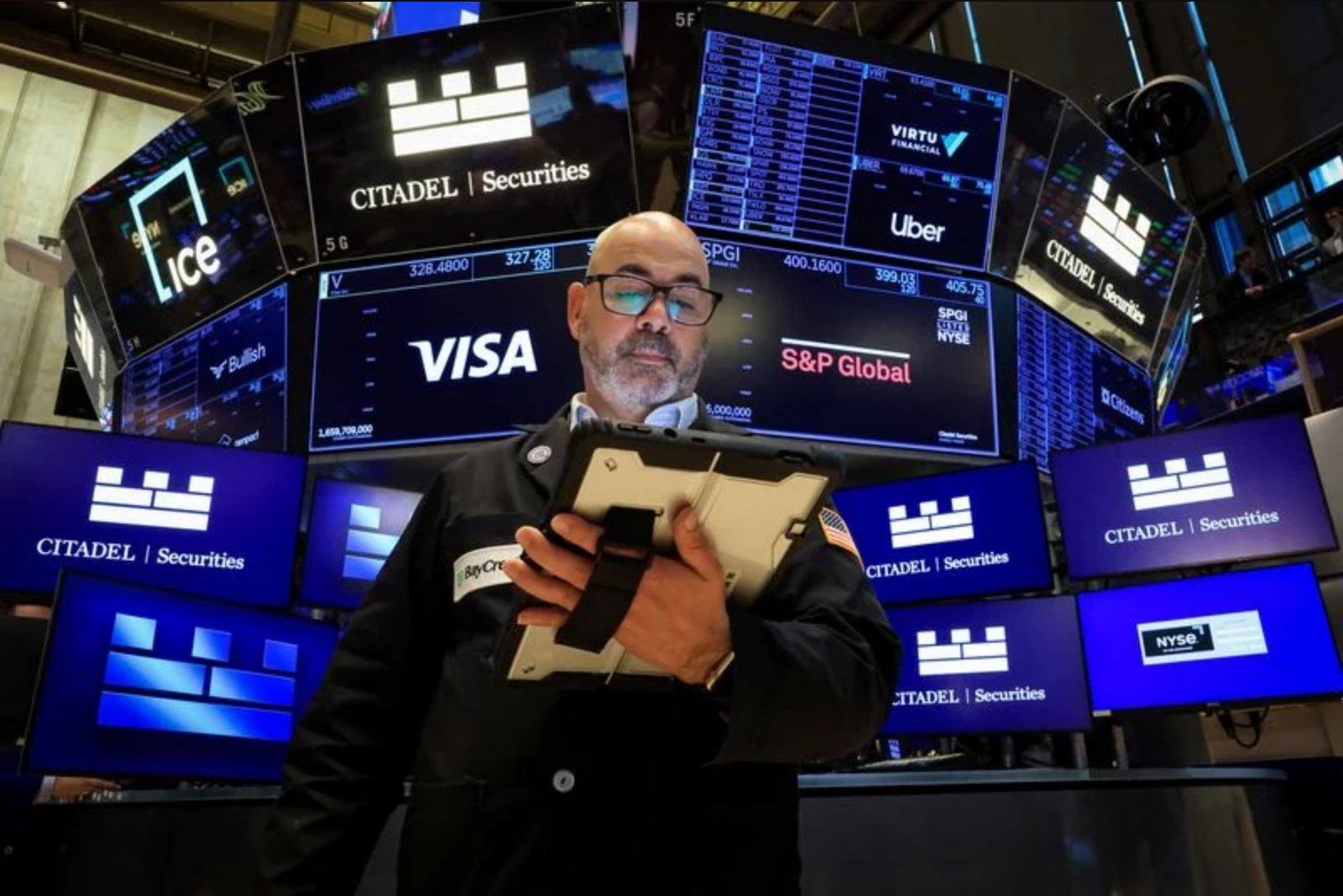
That relative stability in oil masked ongoing nervousness elsewhere on trading floors. The technology sector, which had posted strong gains earlier on the back of an exceptional quarter for chip manufacturers, experienced sharp reversals and profit-taking. Market participants pointed to a number of near-term pressures within the sector: a standout earnings print from Micron Technology did not prevent broader selloffs, while reports of rising product prices at Apple, attributed to higher memory costs, added to investor unease. Separately, market chatter about a potential delay to OpenAI's planned IPO also weighed on sentiment in tech-related names.
Asia-Pacific markets opened the week on edge and closed lower after a weekend that underscored how quickly hostilities could flare and subside. The fragile peace agreement and lingering doubts about its durability contributed to the regional decline. In contrast, futures pointed to a firmer open on Wall Street, and European bourses were largely holding steady in early trade, reflecting a patchwork market reaction across regions.
Currency markets reinforced a narrative shaped by expectations for tighter U.S. monetary policy. The dollar was on track to post its biggest monthly gain against major peers in nearly a year, propelled higher by futures markets that continue to price in additional Federal Reserve rate-hike odds. At the same time, the Japanese yen remained close to four-decade lows, and Commodity Futures Trading Commission data showed speculative short-yen positions had swelled to levels not seen since 2024.
Market calendars for the week are compressed by the U.S. Independence Day holiday on Friday. Investors will focus on the June payrolls report due on Thursday for fresh clues about U.S. labor conditions and the likely path of Fed policy. These data will arrive ahead of a high-profile speech by newly installed Federal Reserve Chair Kevin Warsh, who plans to speak on Wednesday at the European Central Bank's annual symposium in Sintra, Portugal - the event that formally begins today.
Political developments in the United Kingdom also made headlines. Andy Burnham, the frontrunner to become the next UK prime minister, was scheduled to deliver his first keynote address on Monday morning. He was expected to present a long-term plan focused on raising living standards and devolving more authority to regional governments.
For commodity and freight markets specifically, the weekend episode highlighted two competing forces: geopolitical spikes that can threaten supply routes and the operational reality that resumed shipping can quickly restore flows and relieve localized tightness. That dynamic contributed directly to oil's muted reaction despite the risk of escalation.
Traders will therefore monitor a short but eventful week for inputs that could reshape near-term market positioning - from payrolls and policy signals at Sintra to ongoing developments around the fragile pause in Gulf hostilities. With the holiday curtailing trading activity on Friday, those intermediate events are likely to exert outsized influence on positioning ahead of the weekend.
Listen and subscribe - The Morning Bid daily podcast features journalists discussing the biggest developments in markets and finance seven days a week.