
Hezbollah deputy leader Naim Qassem publicly rejected a security framework negotiated by the United States and signed on Friday between Lebanon and Israel, describing the accord on Saturday as tantamount to a surrender to Israel. The announcement intensified tensions along the Lebanon-Israel frontier at a time when clashes persist despite repeated ceasefires and diplomatic efforts.
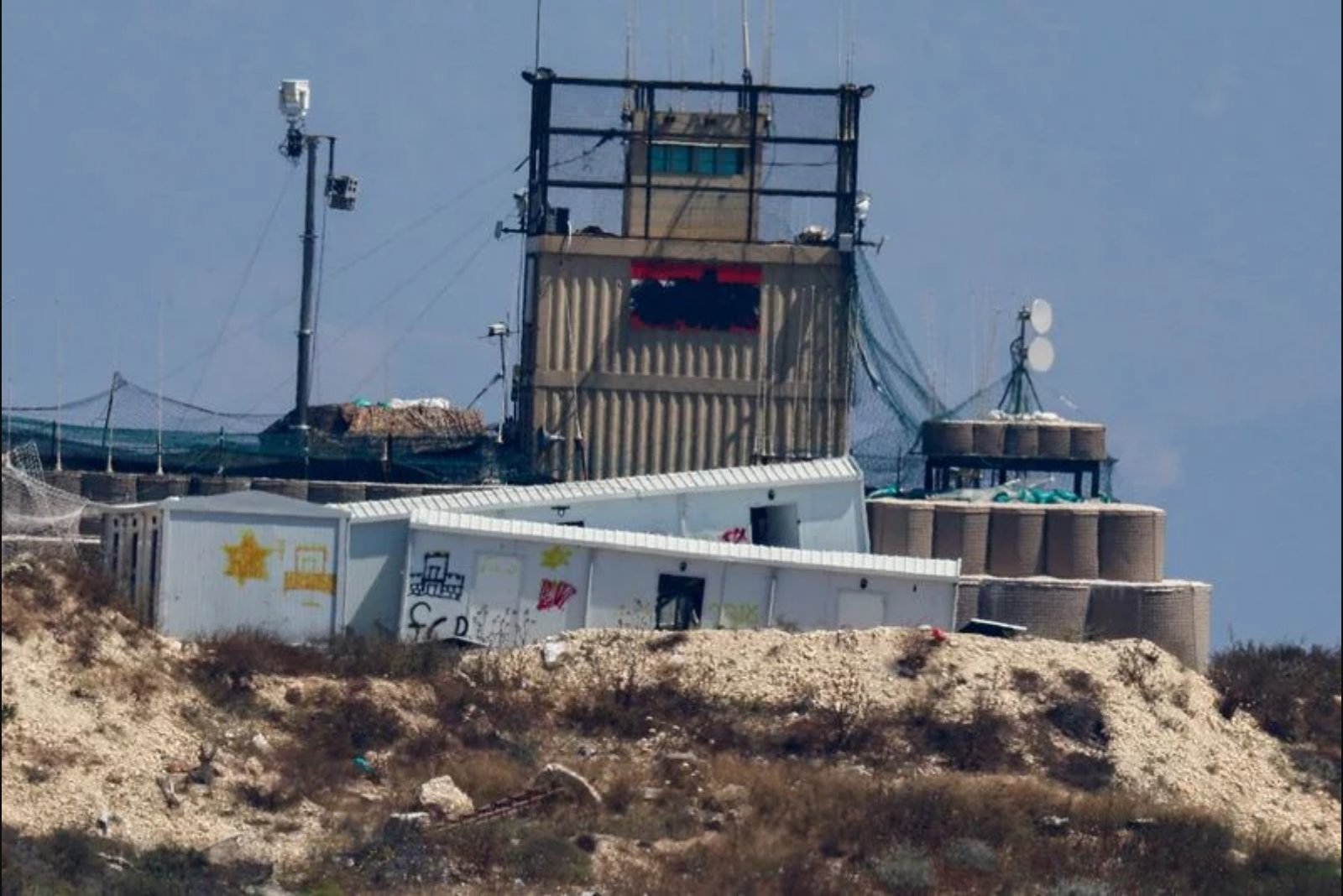
The U.S.-brokered framework, signed the day before Qassem's statement, provides for a phased withdrawal of Israeli forces from parts of southern Lebanon and for the Lebanese army to be deployed in those areas. At the same time, the agreement permits Israeli troops to remain in an enlarged security zone for the time being while additional steps are implemented.
In his statement, Qassem called the framework "null and void" and accused Lebanon's government of making unilateral concessions that compromise the country's sovereignty. He specifically criticised language in the agreement that ties an Israeli withdrawal to Hezbollah's disarmament, arguing that such provisions effectively legitimise a continued Israeli military presence and cross "all red lines." Qassem added that the group would persist in its armed resistance, declaring: "We did not leave the battlefield in the most difficult circumstances, and we will not leave it."
Separately on Saturday, Lebanon's state news agency reported that an Israeli drone struck Nabatieh al-Fawqa in the country's south. The area hit lies outside the security zone illustrated on a map released by Israel indicating the territory its forces will continue to control.
The Israeli military said it had carried out the strike, using a drone because it had no troops in the immediate vicinity. The military said it targeted an individual it assessed as posing a threat to its forces, and did not provide additional details or evidence regarding the target.
Hezbollah and Iran have pointed to a memorandum of understanding reached two weeks ago as the relevant undertaking that, in their view, guarantees Lebanon's territorial integrity and should serve as the foundation for ending the conflict. Qassem asserted that this earlier memorandum - signed earlier this month - ought to be the basis for concluding hostilities rather than the Washington-brokered framework agreed on Friday.
The fighting that has accompanied these political and diplomatic moves has displaced a large number of people. More than a million Lebanese have been driven from their homes by the conflict, which has been running in parallel with the broader Iran-related confrontation.
Context and implications remain contested among the parties. The agreement's sequencing - partial Israeli withdrawal tied to security conditions and Lebanese army deployment - is central to the dispute. Hezbollah's outright rejection and pledge to continue armed resistance signal that implementation faces immediate obstacles. Continued cross-border strikes, such as the drone attack on Nabatieh al-Fawqa, underscore persistent operational risks on the ground as the parties debate which agreement should govern the cessation of hostilities.