
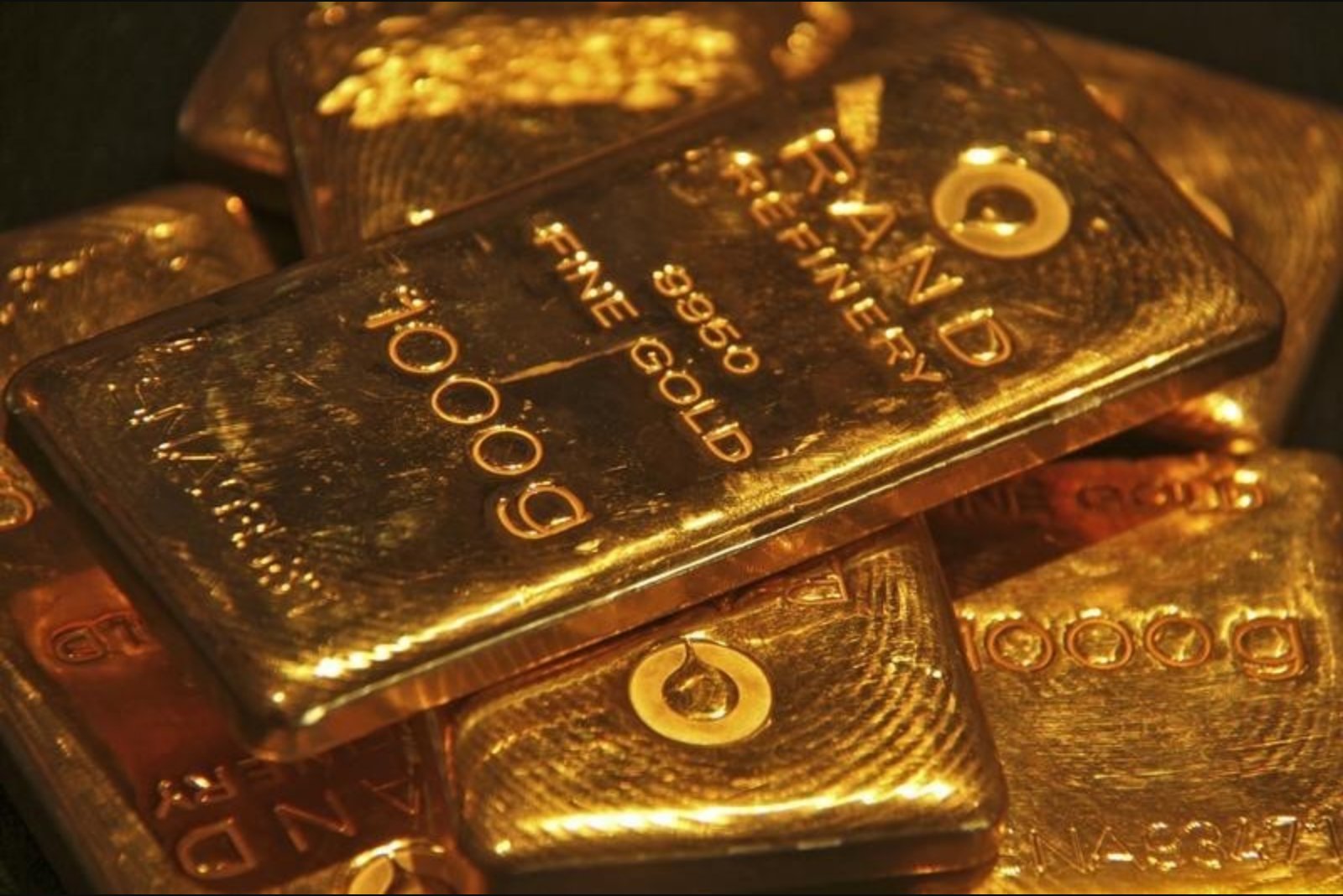
Gold prices bounced in Asian trade on Thursday after hitting their lowest point in over six months earlier in the session, as market participants balanced renewed geopolitical risk in the Middle East against increasing expectations for higher U.S. interest rates later this year.
Spot gold advanced 0.9% to $4,107.57 per ounce by 21:25 ET (01:25 GMT), recovering from an earlier low of $4,023.96/oz - the weakest reading since late November. U.S. Gold Futures, by contrast, slipped 0.2% to $4,124.92/oz, reflecting market concern about a higher-for-longer rate environment in the United States.
The metal had registered a sharp move lower in the prior session, falling by more than 4% before Thursday's partial recovery.
Geopolitical developments intensified overnight when the United States launched fresh strikes on Iran, a move that has unsettled global markets and contributed to a sharp rise in oil prices. Iran responded by announcing a halt to all vessel traffic through the Strait of Hormuz, a critical corridor for global energy shipments. That action raised concerns about the potential for an extended disruption to oil supplies.
Typically, increased geopolitical risk supports demand for safe-haven assets such as gold. However, market participants have been increasingly attentive to the inflationary impact of higher energy costs and the implications for U.S. monetary policy. The recent rise in oil prices is feeding into inflation measures, which in turn has helped shift expectations toward tighter policy from the Federal Reserve.
Data released on Wednesday showed U.S. consumer prices rose 4.2% in May from a year earlier, marking the fastest annual pace in three years and driven largely by higher energy costs. That inflation report reinforced market expectations that the Fed will keep interest rates elevated for longer, and raised the prospect that policymakers could resume tightening later in the year if price pressures persist.
Interest-rate futures now imply growing odds of at least one Federal Reserve rate hike before year-end, a marked change from market expectations earlier in the year. Higher interest rates increase the opportunity cost of holding non-yielding assets such as gold and tend to bolster the U.S. dollar, which makes bullion more expensive for overseas buyers.
The U.S. Dollar Index was largely flat in Asian trading, remaining near a two-month high reached earlier in the week. Investors were also awaiting U.S. producer price data due later on Thursday for additional guidance on the inflation trajectory and the likely path of Fed policy.
Other precious metals also moved higher in Asian trade. Silver rose 1.6% to $64.42 per ounce, while platinum gained 1.1% to $1,685.60/oz.
Implications for markets
Gold's intraday recovery underscores the tug of war between safe-haven demand linked to geopolitical risk and the dampening effect of higher inflation and policy tightening expectations. Energy markets, currency markets and inflation-sensitive sectors are likely to remain responsive to developments in the Middle East and incoming U.S. inflation data.