
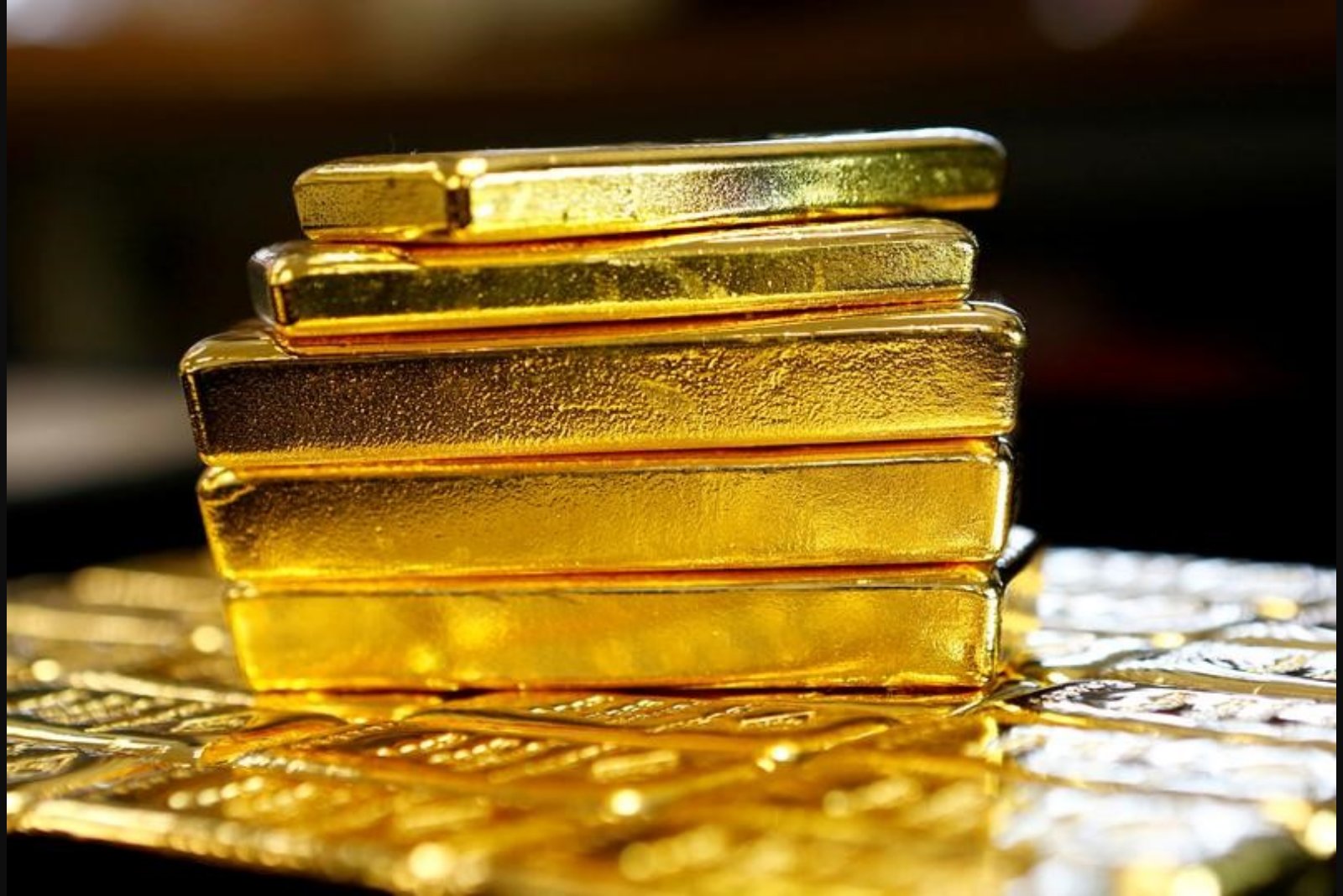
Spot gold declined for the fourth consecutive trading session on Wednesday, sliding 1.9% to $4,180.85 per ounce by 22:06 ET (02:06 GMT), a level not seen since March 23. U.S. Gold Futures also fell 1.9%, settling at $4,204.75 as market participants trimmed positions ahead of a key U.S. consumer price index reading due later on Wednesday.
Market attention has been drawn back to the Middle East after Washington launched new strikes on Iranian targets on Tuesday following the downing of a U.S. military helicopter near the Strait of Hormuz. Those strikes coincided with roughly 1% gains in oil prices on Wednesday, reviving concerns that energy costs could push consumer inflation higher and complicate the Federal Reserve's policy calculus.
Those inflation concerns come amid increasing expectations that the Fed may keep policy tighter for longer. More than 70% of market participants are currently pricing in a Federal Reserve rate hike by December. Higher interest rates raise the opportunity cost of holding non-yielding assets such as gold, a dynamic that has exerted downward pressure on the metal.
Treasury yields are trading near multi-month highs and the dollar has remained firm heading into the inflation report. The DXY index edged 0.1% higher during Asian hours, staying close to a two-month peak reached earlier this week. These moves in rates and the currency typically weigh on bullion by increasing the return investors can get from interest-bearing assets relative to gold.
Investors are watching the CPI print for evidence of whether inflationary pressures are accelerating. Economists expect annual consumer inflation to rise to around 4.2% in May, which, if realized, would be the highest reading since April 2023 and could reinforce expectations that the Fed will maintain a restrictive policy stance. Markets are also focused on the Federal Reserve's June 16-17 policy meeting, where officials are widely expected to hold rates steady but could adopt a more hawkish tone if inflation remains elevated.
Other precious metals tracked the move lower in bullion. Silver fell 1% to $64.70 per ounce, while platinum declined about 3% to $1,678.60 per ounce.
The combination of geopolitical risk, firm energy prices and rising rate expectations has contributed to a cautious approach among investors in the run-up to the CPI release. With Treasury yields near multi-month highs and the dollar close to its recent peak, market dynamics have favored reducing exposure to non-yielding commodities until clarity on inflation and Fed intent emerges.
Given these intersecting forces, participants across commodity, fixed income and foreign exchange markets are likely to monitor incoming inflation data closely for signals on the balance between persistent price pressures and monetary policy response.