
Summary: Brazil’s agricultural expansion, driven for decades by plentiful low-cost land and booming demand from China, now faces a severe test as fertilizer prices surge in the wake of a U.S.-Israeli war with Iran that has choked roughly a third of global fertilizer flows through the Strait of Hormuz. The price shock is forcing Brazilian farmers to scale back fertilizer purchases ahead of their September spring planting, leaving many fields at risk of lower yields, rising losses and mounting debt. U.S. farmers, who produce much of their own fertilizer and were largely finished with purchases when the conflict began, are in a better position to weather the disruption.
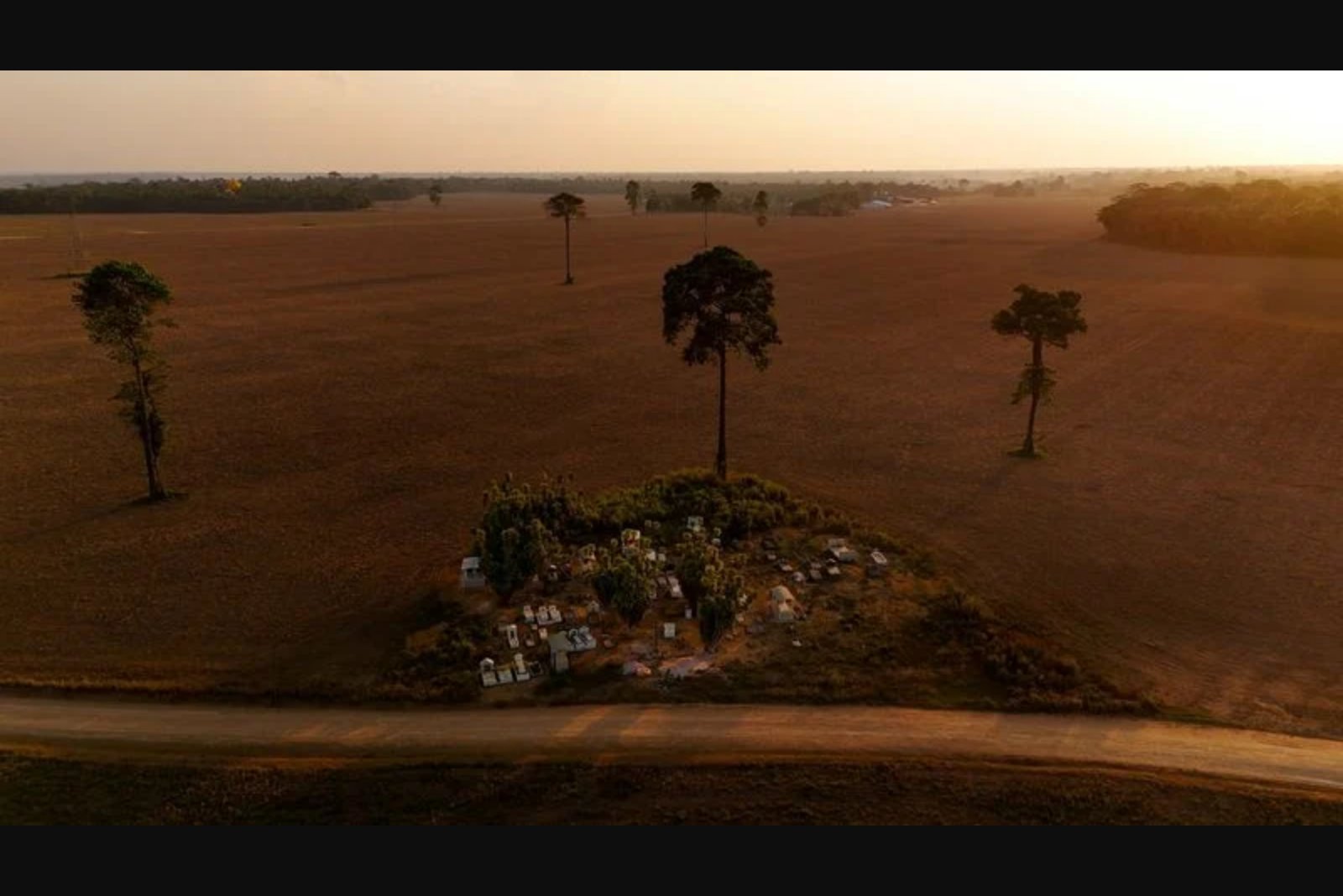
Brazil’s rise to become an agricultural powerhouse has relied heavily on converting vast tracts of inexpensive land into large-scale crop production. Over the last two decades, Brazilian farm acreage has expanded by roughly 50 percent, while U.S. farm acreage has not grown this century. That expansion enabled Brazil to seize export market share, particularly from U.S. producers, as global demand patterns shifted.
But the sudden spike in fertilizer costs linked to the military conflict has chipped away at one of Brazil’s core competitive advantages. About a third of worldwide fertilizer flows have been bottled up in the Strait of Hormuz since the fighting began, contributing to sharply higher prices for key inputs including diammonium phosphate, or DAP, and potash. The United States, which produces a significant share of its fertilizers domestically, is less exposed to the disruption than Brazil, which imports a large portion of its fertilizer requirements.
As a result, many Brazilian growers have reduced fertilizer purchases. Industry experts warn that even if the conflict were to end immediately, the accumulated impacts would leave Brazilian farmers struggling. Some operators now hold thousands of hectares that are producing diminishing returns or operating at a loss. Others are beginning to accumulate significant debt.
Seasonality and timing magnify the shock
Seasonal timing compounds Brazil’s vulnerability. Spring planting in Brazil begins in September, meaning farmers face elevated fertilizer prices as they prepare for the 2026 spring season. U.S. growers, for the most part, had completed fertilizer purchases before the conflict began, reducing their exposure. That difference in planting calendars has given North American farmers a comparatively better position, according to industry analysts.
Murilo Rabelo Martins Pereira, a 34-year-old farmer in Goias state who grows soybeans, corn and tomatoes on 800 hectares, encapsulates the dilemma many Brazilian producers now confront. “Profitability just isn’t there,” he said, explaining why he has paused plans to expand despite receiving offers to lease additional land. He described the rise in production costs as making expansion too risky, and confirmed that planned capital investments, like replacing old harvesters, have been postponed.
Purdue University agricultural economist Joana Colussi, herself a Brazilian native, expects Brazil’s previously strong growth trajectory to stall at least temporarily. She forecasts farmers reallocating spending from expansion toward higher input costs, including fertilizer, fuel and seed.
Land quality and input intensity
Much of Brazil’s growth came from converting pasture and grassland formerly used for cattle grazing into cropland, particularly for soy and corn. That approach delivered rapid expansion but, over time, has left sizable areas degraded. Instead of investing in long-term soil health, many operations moved on to new tracts when yields fell, creating a pattern where large swaths of cultivated land now require substantial fertilizer and other inputs to sustain production.
Large-scale, industrial farming in Brazil therefore depends heavily on not just fertilizers but also pesticides, genetically modified seed and other biological inputs, all of which have become more expensive. “Right now farmers everywhere, including Brazil, are operating on razor-thin margins,” said Saswato Das, global head of corporate affairs at Syngenta. He noted that farms with better soil quality can better absorb shocks and may be able to withstand reduced fertilizer applications; farms on degraded ground cannot.
For many U.S. farms, skipping a season of applying key fertilizers such as potash or DAP produces only a modest decline in yields. Thousands of U.S. growers have reduced applications this year, according to market participants. By contrast, potash and DAP frequently last just one season on numerous Brazilian farms, making it harder for growers there to maintain yields if they cut inputs.
Marshall Lee Davis, who farms peanuts and cotton in Georgia, described U.S. farmers’ behavior as “just skimping out” on DAP, noting that prices for DAP have roughly doubled since the Iran war began. He added that many U.S. producers worry about high prices persisting into the fall, when they typically buy fertilizer ahead of the 2027 spring planting season.
Supply, policy and firm-level responses
Brazil’s dependence on imported fertilizers extends across key product categories, including DAP and nitrogen-based urea, the world’s most widely used fertilizer. In response to the supply shock and higher global prices, state-run oil company Petrobras has restarted operations at some fertilizer plants it had idled under former President Jair Bolsonaro. Petrobras aims to supply roughly 35 percent of Brazil’s nitrogen-fertilizer needs in coming years, a move intended to reduce import dependence but one that will take time to materially alter the supply picture.
Even with higher input costs, world prices for corn and soybeans have not risen commensurately since the conflict began. Large harvests in recent seasons contributed to rising global stocks, which have limited commodity price gains and squeezed farmer margins worldwide. That dynamic is particularly acute for producers reliant on imported fertilizer, who are seeing rising input bills but only modest improvements in crop prices.
As of late May, Brazil’s soybean farmers had purchased approximately 50 percent of their expected 2026/27 fertilizer needs. That compares with a historical pattern where more than 60 percent of requirements are typically booked by the end of May. Lower application rates are expected to translate into reduced yields and, for many operations, declining profitability or outright losses. Rabobank analyst Bruno Fonseca warned that a number of Brazilian farmers are “overleveraged,” highlighting a buildup of debt that could intensify stress if yields and revenues fall.
Outlook and immediate decisions
Analysts caution that fertilizer prices are likely to remain elevated for at least six months even if a peace agreement were reached in the Middle East. That projection underscores a period of continued pressure on input-dependent producers.
Faced with this reality, individual producers are already making difficult choices. Pereira said his farm will delay replacing aging harvesters, an example of short-term cost containment that may have longer-term operational consequences. Across Brazil, the shift away from expansion and toward preservation of cash and reduction of risk could slow the rapid acreage growth that has defined the country’s agricultural rise.
For now, the combination of degraded soils that demand higher input intensity, heavy import reliance for fertilizers, and the timing of Brazil’s planting season leaves many Brazilian farmers more exposed than their U.S. counterparts. The immediate cycle of lower application rates, lower yields and mounting debts will be the key metric to watch as the industry navigates the next planting seasons.