
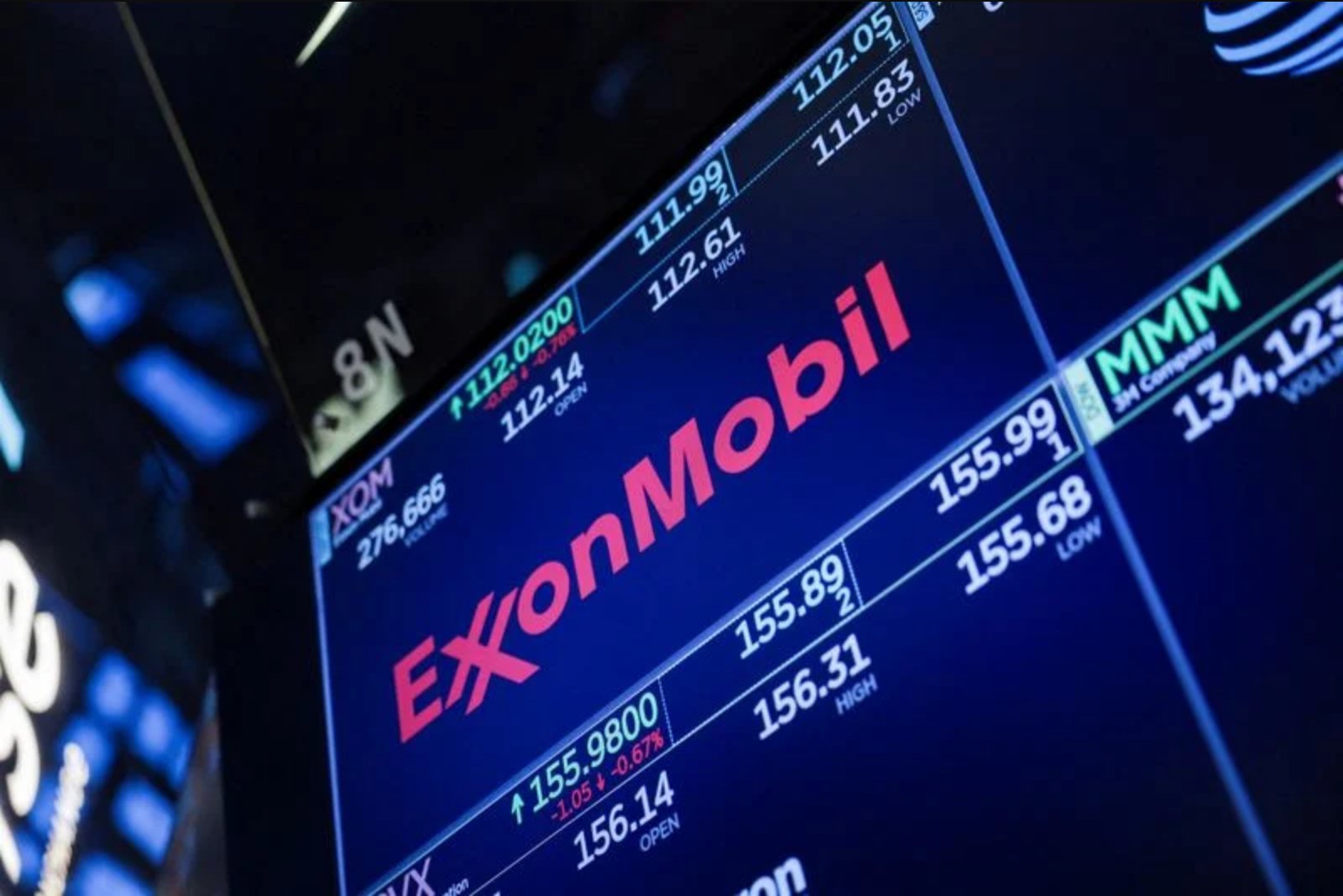
Two people with direct knowledge of the matter told sources that Exxon Mobil is preparing to name Alex Volkov as the head of its global trading business. The change in leadership comes amid a wave of retirements and after the company reported a substantial paper loss linked to derivatives earlier this year.
According to the sources, Tracey Gunnlaugsson - who led the trading division beginning in 2023 - is set to retire. Exxon declined to comment on the personnel developments. Volkov, who is based in Texas, could not be reached immediately for comment.
Volkov has spent almost three decades at Exxon, with assignments across the United States, Russia and London, according to his LinkedIn profile. His roles at the company have included vice presidential posts in global LNG marketing, upstream commercial, and strategy and business development. He is currently listed as serving in commercial and integration.
Company sources also indicated that David Brown, an international crude trader, is retiring. The retirements represent notable turnover within Exxon's trading ranks.
Exxon reported in May that it took a $3.9 billion paper loss related to derivatives in the first quarter, a hit that lowered the company’s net income to its weakest level in five years. The losses stand in contrast to the first-quarter trading profits reported by some European oil majors, which have large, established trading desks and recorded substantial gains this year amid an energy supply crunch tied to the U.S.-Israeli war on Iran.
The developments - an anticipated executive appointment, departing senior traders and a significant derivatives loss - come together at a moment of heightened attention on trading performance and market exposures within major oil companies.
Context and implications
- Leadership change: The expected appointment of Alex Volkov would place a long-tenured Exxon executive at the helm of global trading, following the retirement of the trading head who took the role in 2023.
- Trading performance: The $3.9 billion derivatives paper loss in Q1 contributed to the company’s lowest net income in five years, highlighting the sensitivity of results to trading positions.
- Comparative outcomes: The reported losses at Exxon contrast with first-quarter trading gains reported by some European peers during the same period of market disruption.
Further comment from Exxon or from Volkov was not available at the time of these reports.