
European natural gas contracts posted modest gains on Thursday as a persistent slowdown in shipping through the Strait of Hormuz and underfilled storage facilities countered a short-lived stabilization in the global bond market.
Market movements - Benchmark Dutch front-month futures rose 0.2%, retaining a firm floor above multi-month support levels. Comparable British wholesale gas contracts outperformed the Dutch benchmark, climbing 0.7% as market participants factored in the prospect of tighter short-term deliveries into import terminals serving the North Sea.
The uptick followed a brief spell of profit-taking the previous day and highlights how a geopolitical risk premium remains embedded in continental gas prices.
Shipping paralysis sustains supply concerns
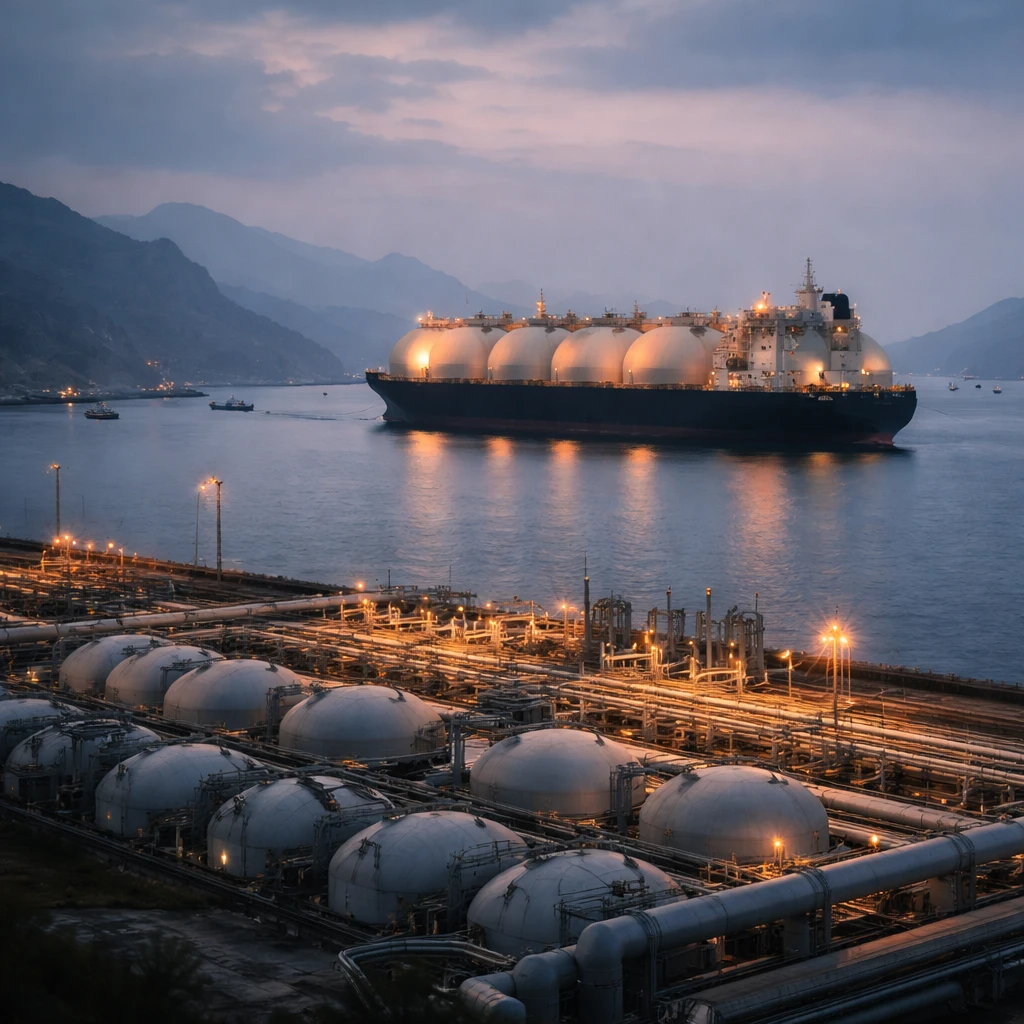
The core driver behind the recent firmness in gas prices is the severe disruption to commercial tanker movements through the Persian Gulf. Shipping data from tracking desks cited by Reuters show that traffic through the Strait of Hormuz - a maritime chokepoint that historically carried roughly a fifth of global liquefied natural gas - has been significantly reduced.
A vast majority of global shipowners continue to avoid the waterway amid security risks related to the U.S.-Iran conflict. Daily commodity vessel counts remain depressed at single-digit levels, well below pre-war baselines. The physical drag on transit has left some Qatari LNG cargoes stranded, prompting European utilities to compete aggressively with Asian buyers in bids for spot shipments into continental import terminals.
Storage shortfalls add pre-winter pressure
Compounding the shipping-related supply squeeze, data from Gas Infrastructure Europe show that underground gas storage across the European Union is at roughly 60% of total capacity. A summer of persistent heat - which boosted gas-fired power generation for cooling - together with delayed LNG deliveries has impeded the usual seasonal replenishment cycle.
With the forward curve in deep backwardation, utilities face a diminishing financial incentive to buy and put gas into storage when spot prices are expensive. That dynamic leaves smaller safety buffers across the continent heading into the autumn heating season.
Although the U.S. Department of the Treasury unexpectedly moved to expand long-end bond buybacks, providing some stabilization to global yields, market participants noted that such financial backstops do not address physical supply deficits.
Outlook and context
Traders say the current mix of constrained maritime transit and below-average storage levels keeps upside risks to European gas prices intact. For now, price action has been limited to modest gains as markets weigh both the temporary calming in bond markets and the persistent physical supply challenges.