
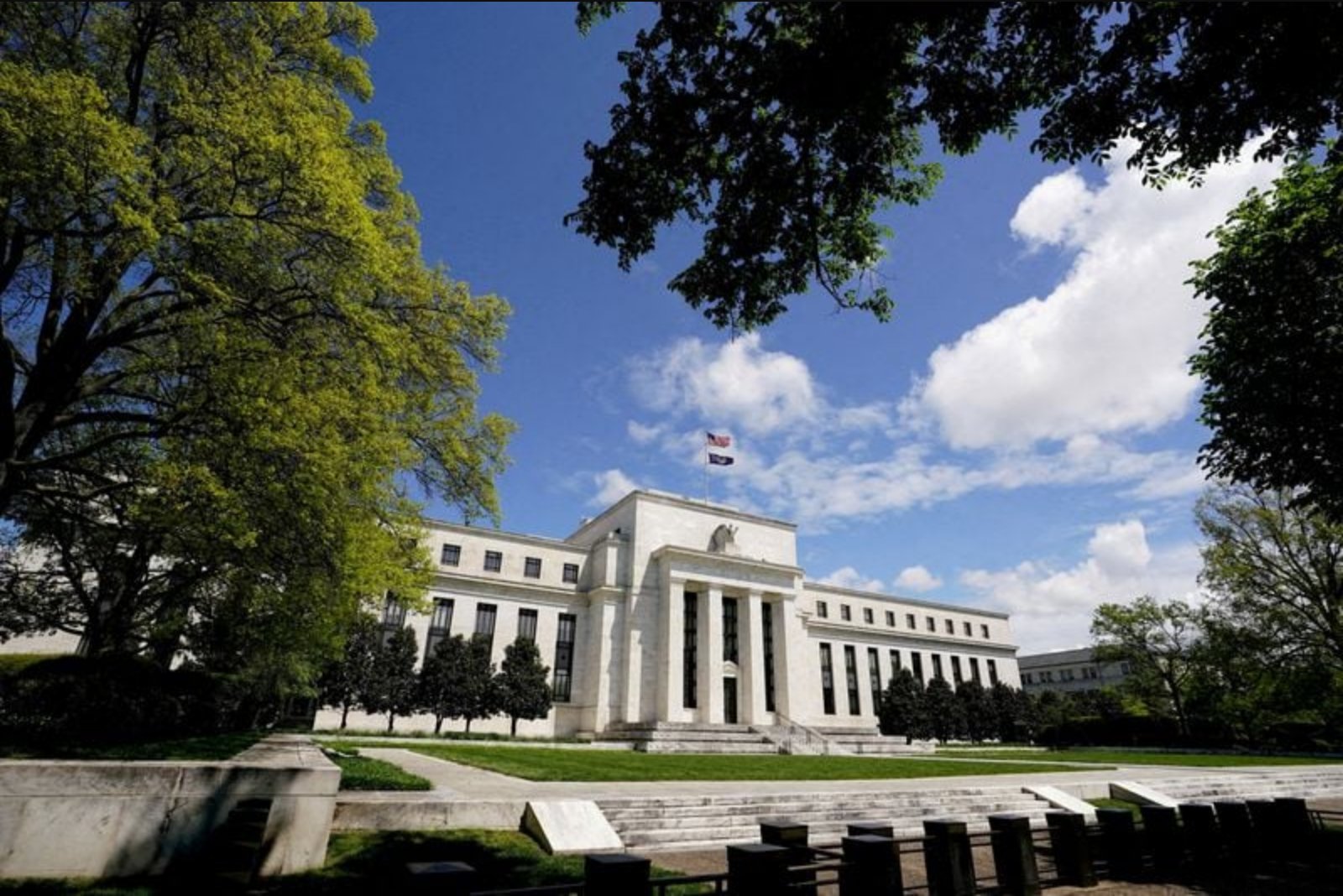
Markets enter the Federal Reserve’s policy announcement expecting a quarter-point increase to the benchmark rate - the first hike since 2023. The decision comes amid a recent rebound in oil prices and after the 10-year Treasury yield pierced the important 5% level. How the Fed frames its move and what it signals about the path ahead will be watched closely, with implications for bond markets, energy, and broader financial conditions.
Expectations for a 25 basis point tightening are nearly unanimous among traders, and the Fed is widely expected to move the policy rate into a 3.75% to 4.00% range if it follows through. The Fed chair has adopted a more hawkish tone in recent public remarks, and with inflation still above the central bank’s target and unemployment remaining low, policymakers face credibility risks if they do not act.
Political friction accompanies the technical policy debate. President Donald Trump continues to voice a preference for easier policy and lower borrowing costs, and recently threatened to halt trade with some countries should the Fed not cut rates. Markets have not treated that threat as a credible immediate risk. Nevertheless, any divergence between the White House’s public stance and the Fed’s actions will add a political dimension to the reaction.
For traders the key question is whether a hike today will merely be a single adjustment or the opening of a new tightening cycle. The Fed chair is known to avoid explicit forward guidance, which means investors will dissect every nuance in the press conference and subsequent remarks for clues about future moves. The chair is scheduled to speak at 2:30 p.m. (1830 GMT) today, following the policy announcement at 2:00 p.m. EDT.
Treasuries and yields
Investor expectations of further monetary tightening have been one factor pushing the 10-year Treasury yield above 5%. The note reached a 19-year high at 5.041% before easing back on Tuesday, but it has tested the 5% area multiple times since. Higher yields have been attributed by some officials to the U.S. fiscal deficit and to other contributing factors.
At a congressional hearing this week, the Treasury Secretary defended recent bond buybacks as a measure that helped temper the rise in borrowing costs, and acknowledged that the fiscal shortfall and other dynamics are reflected in higher yields. He additionally pointed to global issues as contributing to the pressure on yields.
Energy and global pressures
Resurgent energy prices are amplifying inflation concerns and exacerbating the rise in bond yields worldwide. Oil has been trading above $100 per barrel as a result of heightened tensions in the Middle East. Both Brent and WTI crude settled on Tuesday at their highest levels since May 19 after Saudi Arabia suspended loading operations at its Yanbu port, a disruption that contributed to supply concerns.
Prices eased slightly early on Wednesday, aided in part by reports of increasing U.S. crude inventories, which provided some relief to the bond and equity markets that sold off the previous day. Despite that pullback, Brent crude remains up roughly 19% since the start of the month amid ongoing supply disruptions in the Middle East.
Political and policy interplay
The Fed chair’s public posture, including a hawkish tone expressed at the Jackson Hole gathering last month, sets the stage for careful market analysis today. With inflation still above target and unemployment low, the tension between maintaining credibility on inflation control and responding to political pressure for lower rates is acute. The central bank’s communications around the decision - not just the numerical action - will be a crucial test for its independence and forward strategy.
Other developments of note
During the same congressional hearing where Treasury officials addressed bond market moves, concerns about the pace of artificial intelligence development were also aired. The Treasury Secretary defended the administration’s AI strategy, stressing the need to balance safety considerations with competitiveness in relation to China.
Financial markets are broadly pricing in not only the expected 25 basis point increase to bring the policy rate into the 3.75% to 4.00% range, but also the possibility of further tightening signaled by policymakers. How Fed officials frame the outlook will determine whether markets treat the move as isolated or as the resumption of a tightening trajectory.
Chart of the day
Market pricing strongly favors a 25 basis point increase to the Fed funds rate, and investors are closely watching the statement and press conference for guidance on subsequent policy steps.
Events to watch today
- Fed interest rate announcement - 2:00 p.m. EDT
- Fed Chair press conference - 2:30 p.m. EDT (1830 GMT)
- U.S. August retail sales report - 8:30 a.m. EDT
There are also published commentaries and audio discussions examining how a likely Fed increase could interact with fiscal policy and political commitments. Market participants will be using the Fed’s decision and subsequent guidance to adjust positions across bonds, equities, and energy markets.