
Beijing on Wednesday defended its export restrictions on a subset of rare earths and other critical minerals as lawful, and said it would engage with the United States to address "reasonable and lawful" issues arising from the measures. The Ministry of Commerce framed the controls as implemented under existing laws and regulations and said licensing for compliant civilian use is reviewed in accordance with those rules.
The restrictions were introduced in April 2025 as a response to U.S. tariffs dubbed "Liberation Day" tariffs by the White House. U.S. officials have repeatedly acknowledged that some exports of rare earths and related minerals remain restricted under the Chinese measures.
In a statement published after a recent leaders' summit in Beijing, the White House said China had agreed to address concerns about shortages of specific materials including yttrium and scandium as well as other critical minerals. When asked about that White House statement, China’s commerce ministry said both sides had discussed the matter and would study and resolve "each other's reasonable and lawful concerns."
Chinese customs data released on the same day showed a marked slowdown in yttrium oxide shipments to the United States. Exports to the U.S. amounted to 10 metric tons in April, down from 60 tons in March. The data also reflect a wider shift since controls began: shipments averaged about 30 tons a month over the 13 months prior to the controls, compared with about 8 tons a month since they were imposed.
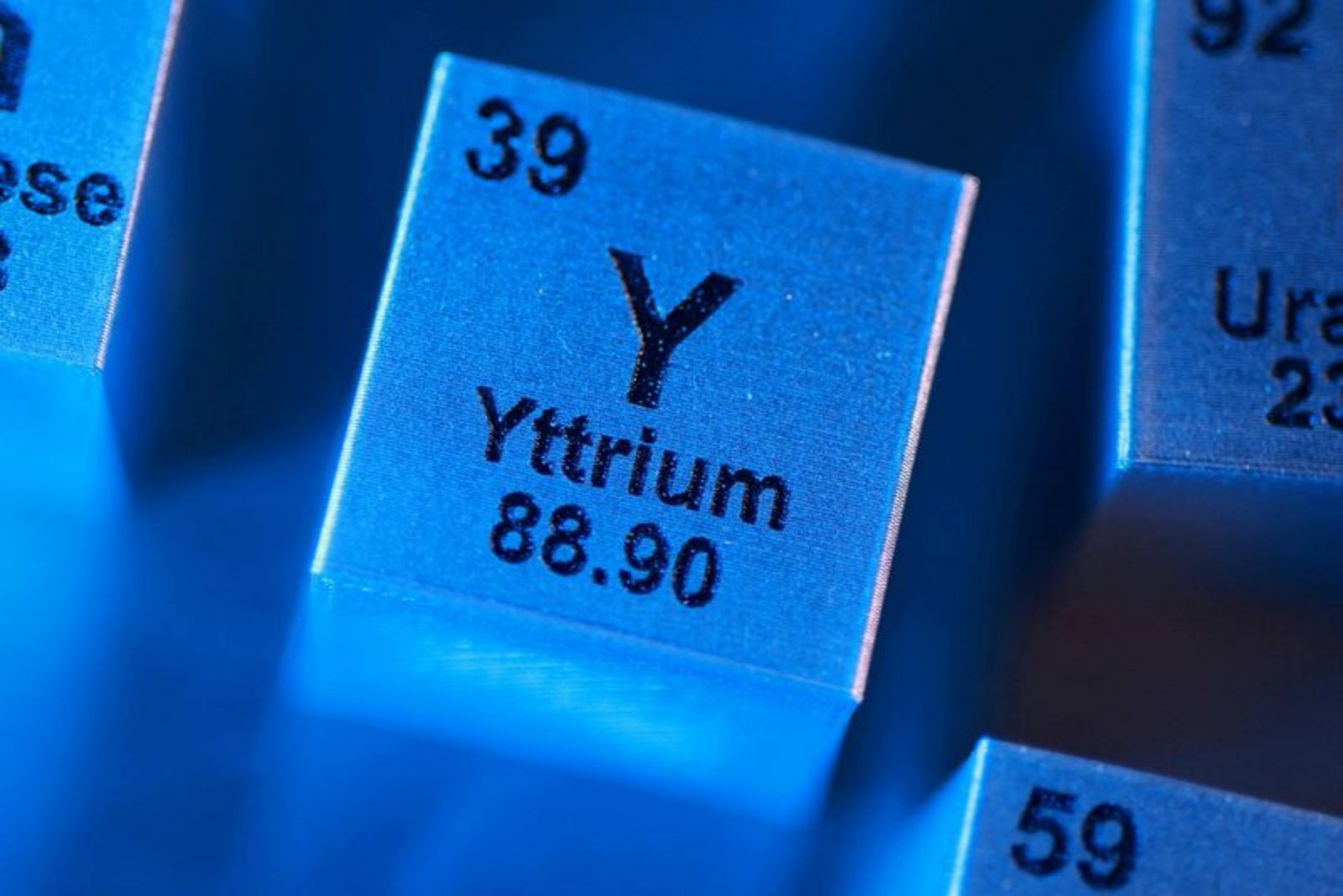
Yttrium has been highlighted as one of the materials experiencing acute shortages. The metal is cited for use in protecting turbine blades in aircraft engines and in power plants from extreme heat, making its availability salient for sectors that rely on heat-resistant materials.
The two statements issued days apart - the Chinese ministry’s declaration that its export controls are lawful, and the U.S. note that Beijing would address shortages - illustrate a changed dynamic from six months earlier. After a leaders' meeting in Busan half a year ago, the White House had said the export controls would be dismantled; the recent exchange instead signals a new status quo in which Washington appears to tacitly accept the continuing restrictions.
Summary
China says its rare earth export controls, introduced in April 2025 in retaliation for U.S. Liberation Day tariffs, are lawful and that it will work with the U.S. to study and resolve reasonable concerns. Official customs data show a sharp fall in yttrium oxide shipments to the U.S., and the White House has noted agreement from China to address shortages of materials such as yttrium and scandium.