
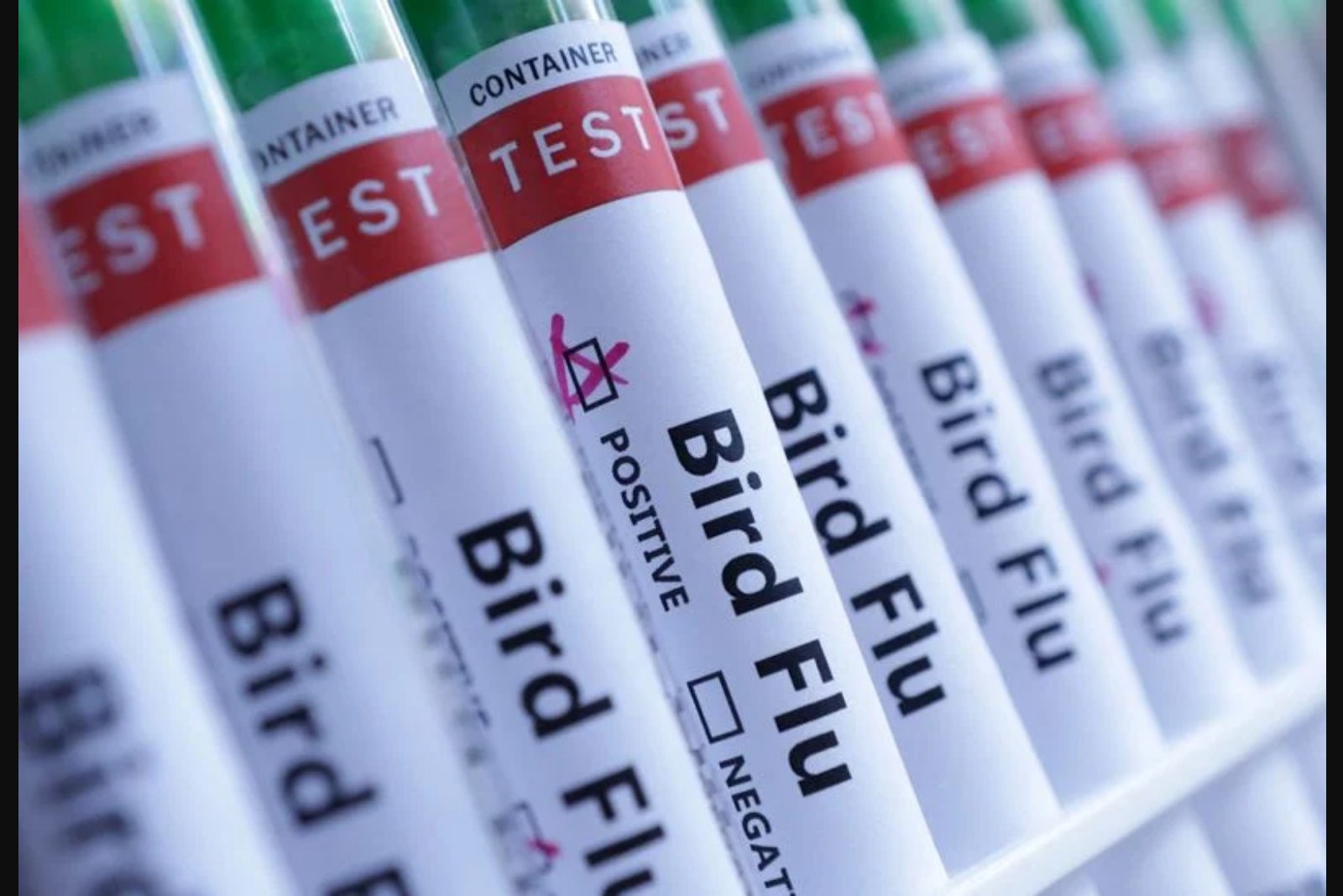
Australian authorities on Friday disclosed what may be the country's first suspected mainland case of the H5N1 bird flu strain, after a migratory brown skua found in Cape Le Grand National Park in Western Australia returned a positive test for avian influenza.
State Agriculture Minister Jackie Jarvis said further laboratory work is being carried out to determine whether the detected virus is the H5 strain. "We are taking the suspected case of H5 bird flu seriously," Jarvis said. "If this is confirmed H5 bird incursion, there will be a rapid and coordinated national response."
The H5 strain has been described by officials as virulent and has been spreading through wild bird and mammal populations since 2021. Authorities say it has killed millions, infected poultry and dairy farms, and also infected some farmworkers.
Australia has until now been the only continent without a confirmed mainland case of this deadly strain. In anticipation of a possible arrival, officials at both state and federal levels have implemented preparatory measures. These include tightened biosecurity protocols at farms, targeted testing of shore birds, vaccination programs for species considered vulnerable, and simulated response exercises to coordinate action in the event of an incursion.
Environment Minister Murray Watt highlighted the country's readiness in a statement. "While, if confirmed, this would obviously be a very concerning development, Australia has spent the past few years preparing for this likelihood," he said.
Jarvis said test results that will confirm whether the now-deceased brown skua had contracted bird flu were expected on Saturday. She also reported that another sick bird, described as a giant petrol, was located in the same area and is undergoing testing for influenza.
Context and next steps
Public health and agricultural agencies will await laboratory confirmation before escalating or changing the national response. If the H5 strain is confirmed, officials have signaled that coordinated measures across jurisdictions will be enacted rapidly to manage the outbreak and protect livestock, wildlife and people involved in farm operations.
Until confirmatory results are returned, officials will continue monitoring affected areas and testing other birds found ill in the vicinity.