
World February 6, 2026 03:28 PM

Zelenskiy Presses for Faster Air-Defence Upgrades and Rapid Grid Repairs After Renewed Strikes

President demands accelerated restoration of heat and power and personnel changes where defences underperform amid drone and missile raids

By Derek Hwang

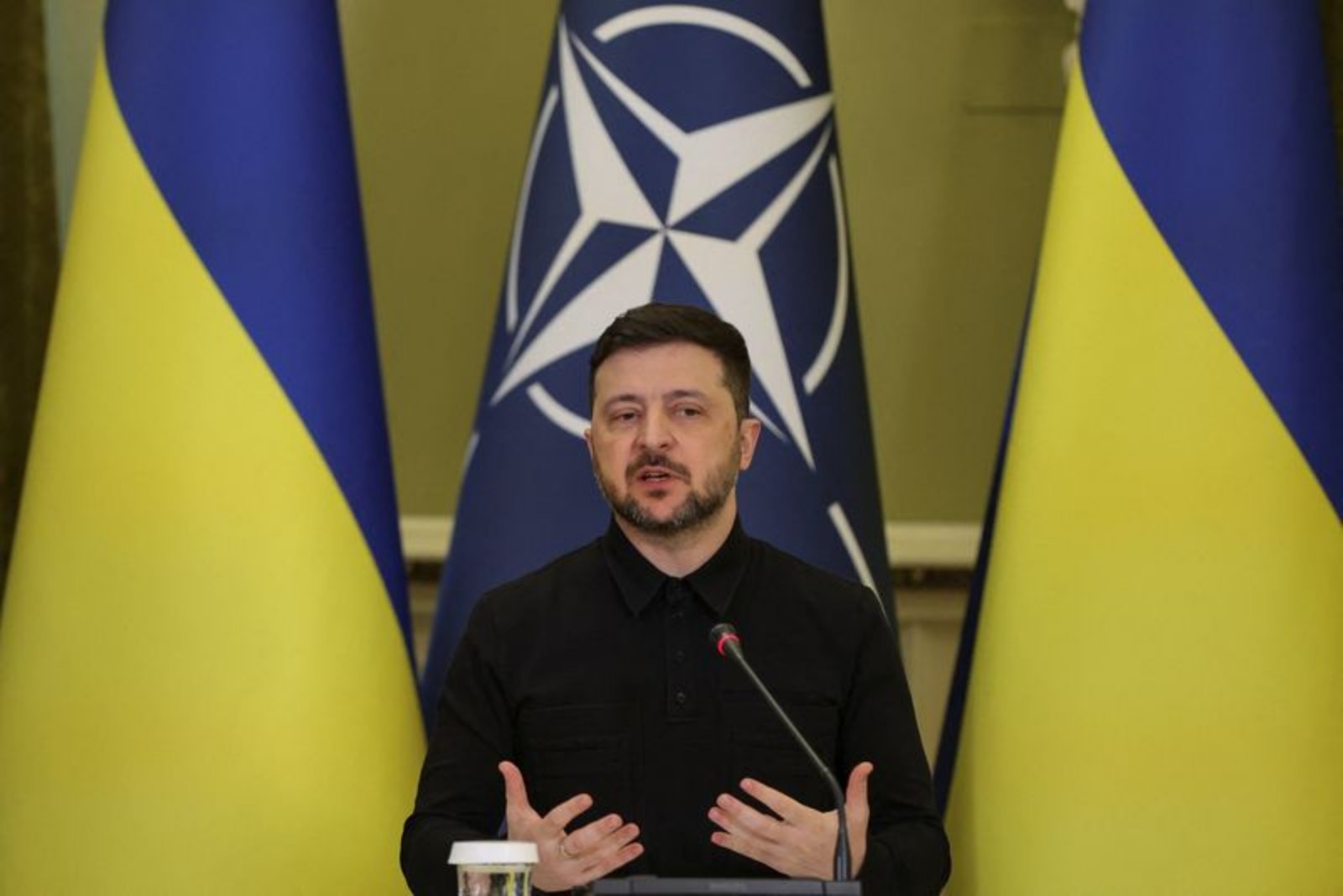
President Volodymyr Zelenskiy on Feb. 6 urged a speed-up in strengthening Ukraine’s air-defence capacity and in repairing electricity and heating infrastructure damaged during recent Russian night-time attacks. He said more than 1,110 apartment blocks remain without heat after the latest strikes, called for personnel changes in areas with weak defence performance and said resources were being redirected to Kyiv to hasten restorations.

Zelenskiy Presses for Faster Air-Defence Upgrades and Rapid Grid Repairs After Renewed Strikes

Key Points

  • Zelenskiy demanded quicker strengthening of air-defence systems and faster repairs to electricity and heating networks following repeated night-time drone and missile attacks; this primarily impacts the defence and utilities sectors.
  • More than 1,110 apartment blocks in Kyiv remained without heat after the latest assault, with night temperatures forecast to reach -8 Celsius (18 Fahrenheit); this stresses emergency response, construction, and energy restoration services.
  • Ukraine has focused on expanding a domestic drone industry, including interceptor drones, as a cost-effective solution to counter waves of drone attacks; this affects the domestic defence manufacturing and technology sectors.

Feb. 6 - President Volodymyr Zelenskiy on Friday called for more rapid action to bolster air defences and to fix damage to power grids and heating systems following a wave of Russian night-time attacks that have overwhelmed some systems.

Over the past month, Russian forces have carried out a series of nocturnal strikes using missiles and drones that at times have eluded Ukrainian air-defence systems. Those strikes have cut electricity and, critically, heating supplies to hundreds of apartment buildings, with the capital hit particularly hard.

Zelenskiy said that after the most recent assault last Tuesday, more than 1,110 apartment blocks remained without heat. Night-time temperatures have moderated slightly but were still expected to reach -8 Celsius (18 Fahrenheit), he said.

"The small-scale air defence component, specifically countering attacks drones, must work more efficiently and prevent the problems that currently exist," Zelenskiy said in his nightly video address. "In some areas, defence lines are built better. In others, much more work is needed." He added that personnel changes would be made in regions where air-defence performance had been less satisfactory.

The president highlighted the rapid development of Ukraine’s domestic drone sector since the full-scale invasion in February 2022, noting particular emphasis on so-called interceptor drones as a cost-efficient measure to confront waves of incoming drones. He said work must move even faster to restore basic services.

"Every day matters. All decisions must be implemented as quickly as possible," Zelenskiy said. "There are not weeks and months available for repairs or supplying equipment. Many, many things are being actively accelerated."

To speed up restorations, Zelenskiy said assistance was being redirected to Kyiv from other regions. "Everyone in Ukraine is ready to help and is truly helping Kyiv," he said, adding that many communities and state companies were directing resources to the capital.

Separately, Zelenskiy accused the Kyiv city administration led by Mayor Vitali Klitschko of failing to act decisively to address the breakdowns in the systems that left so many without heating and power.

The president’s comments underline continuing challenges in defending against and recovering from precision and drone strikes that target civilian infrastructure. He stressed both the need for improved small-scale counter-drone measures and faster logistical action on repairs and equipment delivery.

Risks

  • Air-defence shortcomings and the continued ability of drones and missiles to evade protections risk further outages and damage to civilian infrastructure - impacting utilities, housing, and municipal budgets.
  • Delays in repairing grids and heating systems could prolong humanitarian strain for residents as cold temperatures persist, placing pressure on energy supply chains and local government resources.
  • Personnel changes and accusations of insufficient local administration response introduce uncertainty in coordination and execution of repairs, which could slow restoration efforts and affect contractors and state companies involved in reconstruction.

More from World

Hantavirus Outbreak on Cruise Ship: What the Virus Is and Why Health Authorities Are Monitoring It May 6, 2026 Trump Defends Higher Price Tag for Planned White House Ballroom, Reiterates Sub-$400 Million Estimate May 6, 2026 Pope to Visit Canary Islands and Multiple Spanish Destinations on June Trip May 6, 2026 Venezuela Rejects World Court Authority in Dispute Over Oil-Rich Esequibo May 6, 2026 Japan Launches Type 88 Anti-Ship Missile During Multinational Drill Off Northern Philippines May 6, 2026