
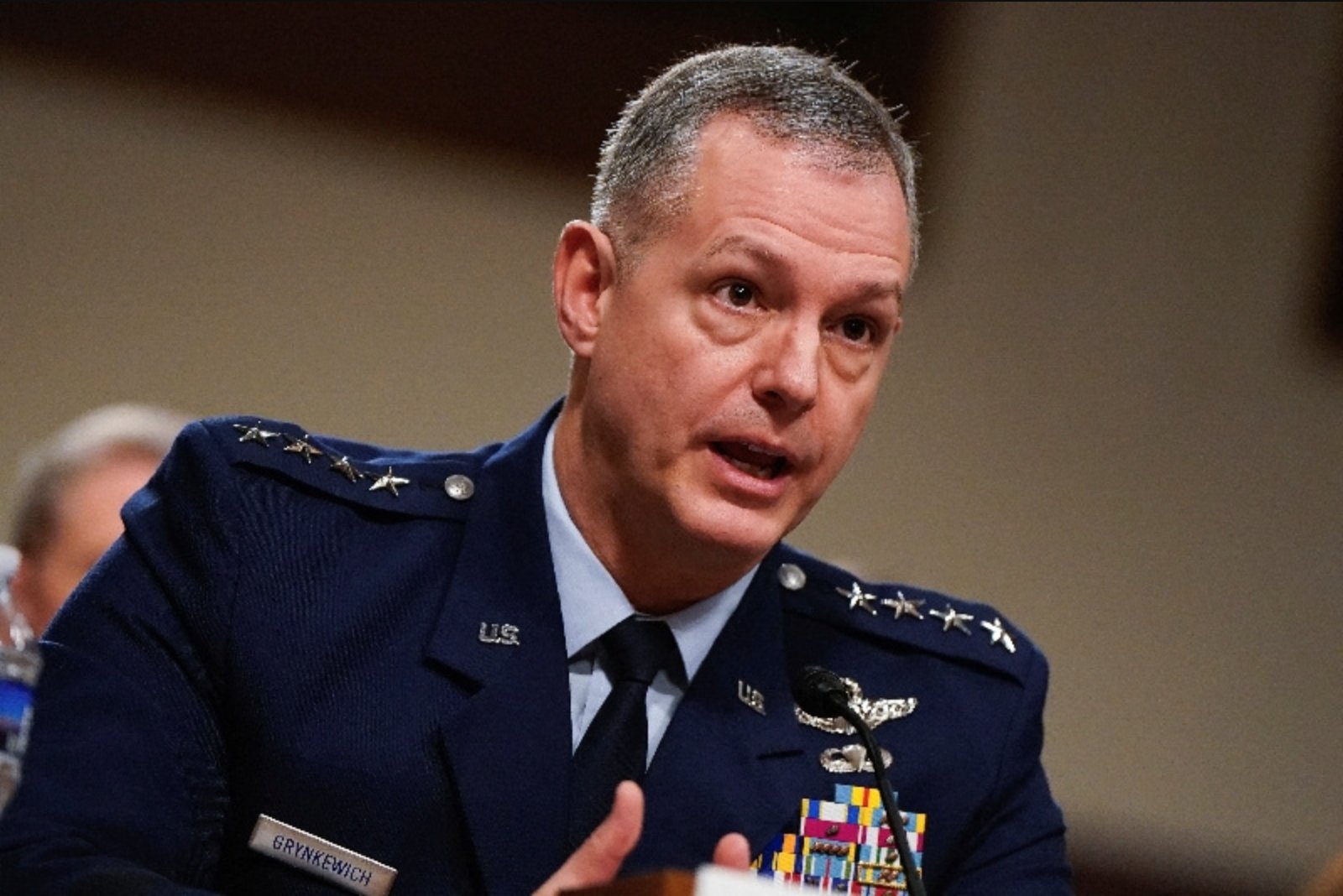
BRUSSELS, May 19 - NATO’s senior operational commander, Alexus Grynkewich, said on Tuesday that a U.S. decision to remove an armoured brigade from Europe - a force of approximately 5,000 troops - will not undermine the alliance’s defence posture on the continent.
Speaking in Brussels after meeting with military chiefs from NATO member countries, Grynkewich described a shifting balance in the alliance’s conventional defence burden. He said European allies and Canada are taking on a greater share of responsibility for conventional defence, while the United States continues to provide support through capabilities that are being recalibrated.
"As the European pillar of the alliance gets stronger, this allows the U.S. to reduce its presence in Europe and limit itself to providing only those critical capabilities that allies cannot yet provide," Grynkewich said. He noted that he could not give an exact timetable for the adjustments, describing the change as an "ongoing process for several years."
The commander spoke in the context of consultations with NATO military leaders in Brussels. In his remarks he emphasized the combination of growing European and Canadian responsibility for conventional forces and continued U.S. backing through selected capabilities as the central rationale for the adjustment in force posture.
Grynkewich’s comments framed the withdrawal not as a reduction in collective defence intent but as a reallocation of how responsibilities and capabilities are distributed across the alliance. He stressed that the U.S. will remain engaged by providing those critical capabilities that allies currently lack, while the European pillar expands its capacity.
He also underlined that the process of recalibrating U.S. presence and alliance capability mixes will not be instantaneous. Instead, he described it as an extended adjustment that will continue over several years, with specifics left unresolved at this stage.
Contextual note: The comments followed meetings with NATO military chiefs in Brussels and address the alliance’s approach to maintaining defence readiness amid changes in force posture.