
World March 1, 2026 03:14 AM

Clashes Erupt at U.S. Diplomatic Sites in Pakistan and Iraq After Khamenei Killed

Protests targeting diplomatic missions spread from Karachi to the Green Zone in Baghdad following reports that U.S. and Israeli strikes killed Iran's supreme leader

By Sofia Navarro

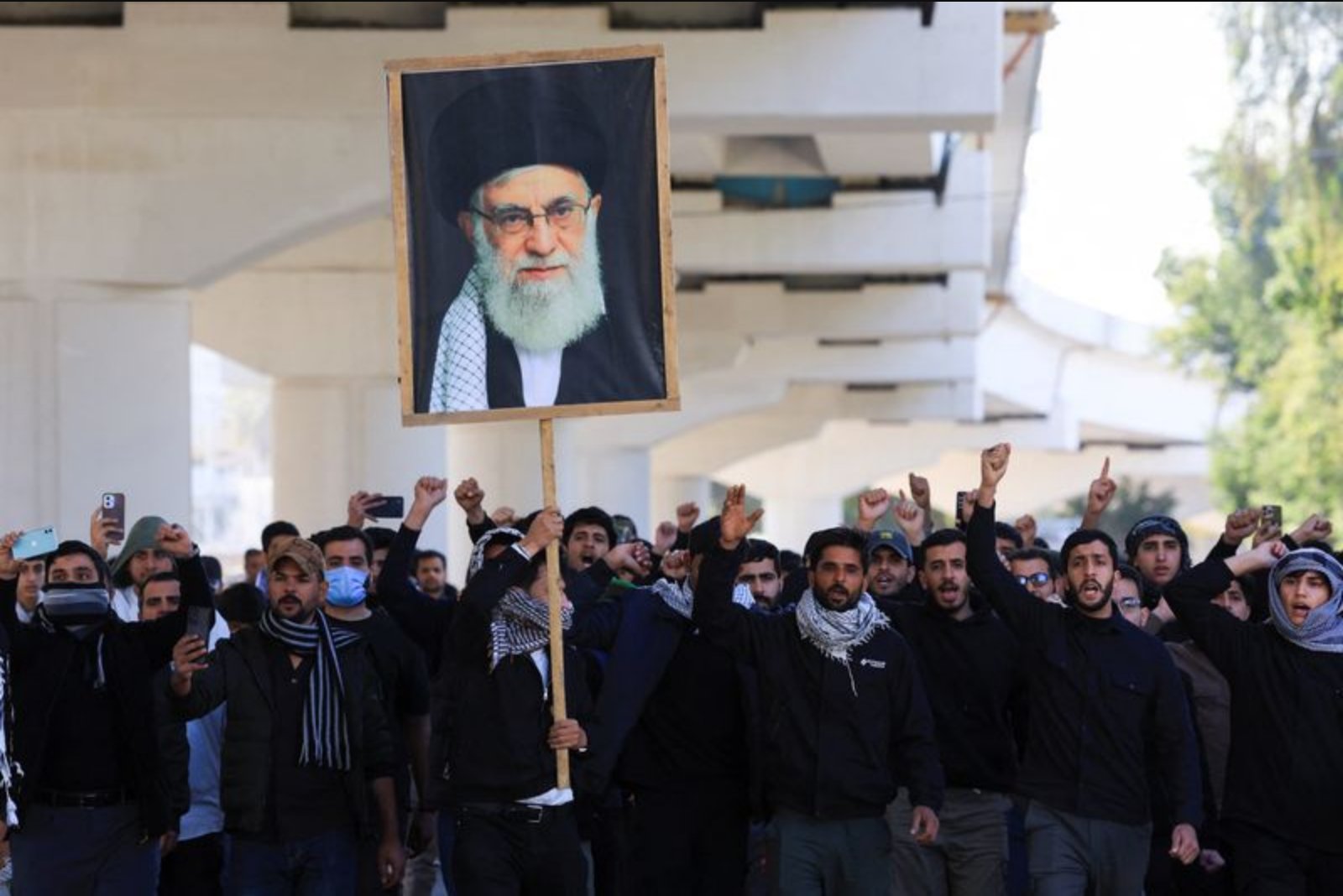
Following reports that U.S. and Israeli strikes killed Supreme Leader Ayatollah Ali Khamenei, pro-Iranian demonstrators in Pakistan and Iraq staged large protests outside U.S. diplomatic missions. In Karachi, crowds breached the outer wall of the U.S. consulate before being repelled by security forces using tear gas; footage from the scene showed burning vehicles and gunfire was heard. Demonstrators also gathered near the U.S. Embassy in Baghdad's Green Zone and set fire to a U.N. office in Skardu, a tourist region in northern Pakistan. Authorities reported no casualties in the incidents described.

Clashes Erupt at U.S. Diplomatic Sites in Pakistan and Iraq After Khamenei Killed

Key Points

  • Protests erupted outside U.S. diplomatic sites in Karachi and Baghdad after reports that U.S. and Israeli strikes killed Iran's supreme leader.
  • In Karachi demonstrators breached the consulate's outer wall; police used tear gas to push them back and footage showed burning vehicles and sounds of gunfire, with authorities reporting no casualties.
  • A U.N. office in Skardu was burned by protesters in Pakistan's Gilgit Baltistan region, an area noted for tourism, while hundreds gathered outside the U.S. consulate in Lahore but with no reported violence.

Protests over the reported death of Supreme Leader Ayatollah Ali Khamenei, which followed U.S. and Israeli strikes, led to confrontations at U.S. diplomatic sites in South Asia and the Middle East on Sunday.

In Karachi, Pakistan's largest city, demonstrators breached the outer perimeter of the U.S. consulate before being pushed back by police, who used tear gas to disperse the crowd. Video from outside the consulate's main gate showed vehicles burning; gunfire could be heard at the scene, according to an on-the-scene reporter. Local authorities said there were no casualties in the clashes. U.S. diplomats at the consulate were not immediately available for comment.

Protest activity was not limited to Karachi. In Pakistan's normally peaceful Shia-majority region of Gilgit Baltistan, demonstrators set fire to a United Nations office in Skardu. Local government spokesperson Shabbir Mir said a large number of protesters had gathered outside the U.N. office in Gilgit Baltistan and that the building was burned down. He added that no casualties had been reported. The region is noted in reports for its Himalayan peaks that draw tourists.

In Lahore, Pakistan's central city, several hundred people gathered outside the U.S. consulate. There were no reports of violence from that demonstration. An eyewitness, Aqeel Raza, described attempts by some protesters to damage a security gate located several hundred yards from the consulate; he said police intervened to stop those attempts without using force.

Across the border in Iraq, pro-Iranian demonstrators assembled outside the Green Zone in Baghdad, where the U.S. Embassy is located. The gatherings in both Pakistan and Iraq followed news of the strikes that reportedly killed Khamenei, prompting large public demonstrations in multiple cities.

Authorities in the affected locations reported no casualties in the incidents described and provided limited immediate comment on diplomatic staffing or operational impacts at the missions involved. The demonstrations included acts of arson and confrontations with security forces, and they unfolded in multiple urban centers during the same day.


Reporting note: Information in this article is drawn from on-the-scene accounts, local government statements and eyewitness reports from the locations described.

Risks

  • Escalation of unrest around diplomatic facilities could disrupt embassy and consulate operations, affecting consular services and diplomatic engagement - sectors impacted include government services and international relations.
  • Arson and violent confrontations in tourist regions such as Gilgit Baltistan could harm local tourism activity and associated economic sectors that rely on visitor traffic, given the report of a burned U.N. office in Skardu.
  • Continued protests and security incidents introduce uncertainty for security-dependent sectors and firms providing logistics, travel, and infrastructure support in affected cities.

More from World

Hantavirus Outbreak on Cruise Ship: What the Virus Is and Why Health Authorities Are Monitoring It May 6, 2026 Trump Defends Higher Price Tag for Planned White House Ballroom, Reiterates Sub-$400 Million Estimate May 6, 2026 Pope to Visit Canary Islands and Multiple Spanish Destinations on June Trip May 6, 2026 Venezuela Rejects World Court Authority in Dispute Over Oil-Rich Esequibo May 6, 2026 Japan Launches Type 88 Anti-Ship Missile During Multinational Drill Off Northern Philippines May 6, 2026