
Hook & thesis
UPM-Kymmene remains one of the few integrated forest-industry names with scale, diversified end-markets (pulp, paper, biofuels, and wood products) and a well-established balance sheet. That said, for 2026 the picture is shifting from one dominated by cyclical recovery to one where incremental upside requires both sustained end-market improvement and clearer, company-specific catalysts. In plain terms: the low-hanging fruit that drove upside in earlier years has largely been harvested, and the stock now looks more like a trade you should manage tightly rather than a multi-quarter directional bet.
Why the market should care
Forest-product companies are inherently cyclical. When pulp and packaging demand surged, earnings and free cash flow expanded quickly; the converse is true when demand normalizes. For UPM, the important point is that 2026 is not shaping up to be a year of fresh, broad-based demand shocks that would justify a large rerating. Instead, upside will depend on either stronger-than-expected pricing in pulp/paper, outsized improvements in downstream margins, or meaningful capital allocation moves that unlock shareholder value. In the absence of those events, upside is likely to be incremental and concentrated around operational improvements rather than large multiple expansion.
Business overview - what UPM does and why it matters
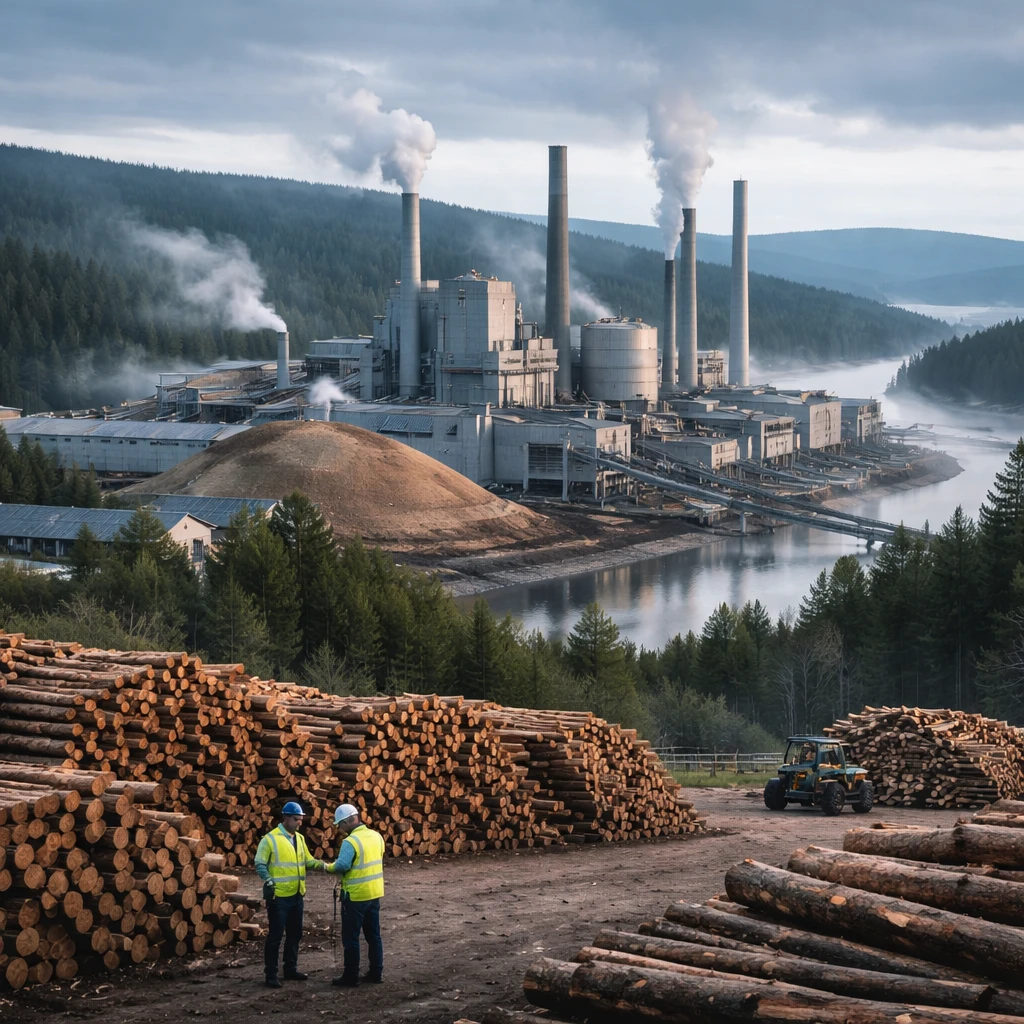
UPM operates across the forest-products value chain: forestry, pulp & energy, label and specialty papers, packaging materials, and wood products. The company benefits from vertical integration, which gives it some natural hedge versus fibre-price swings, and exposure to higher-margin specialty segments. Institutional investors prize this exposure because pulp and packaging play both defensive and cyclical roles in portfolios: defensive when paper substitutes are limited, cyclical when global industrial activity weakens.
Key fundamental drivers
- End-market demand: Global pulp and packaging demand moves with industrial activity and e-commerce packaging trends; any broad slowdown in manufacturing or freight will compress volumes and prices.
- Fibre and energy costs: Wood raw materials and energy are meaningful components of unit costs. Upward pressure here compresses margins unless passed through to customers.
- Capital allocation: Returns hinge on how UPM deploys cash — maintenance capex vs. growth projects vs. buybacks/dividends. Clear, value-accretive deployments can widen upside; vague or slow allocation tends to constrain it.
- Currency and ESG dynamics: FX can swing reported results for a Helsinki-headquartered multinational, and the company’s ESG positioning impacts both customer pricing and access to green finance.
Valuation framing
Historically, firms like UPM have traded on a mix of mid-cycle earnings power and optionality from specialty products and bio-based projects. With no up-to-date public snapshot included here, valuation must be framed qualitatively: the stock looks priced for mid-cycle earnings with limited premium for upside catalysts. That implies two things for investors: (1) you need clearer positive evidence to justify holding for a large gain, and (2) downside protection is important because the current price already reflects much of the reasonable recovery case.
Put differently, if UPM’s share price is already discounting an average-to-good pulp market and steady specialty sales, new upside would require either a persistent structural improvement in pulp pricing, outsized margin expansion in specialty divisions, or a decisive capital allocation shift (large buybacks, asset disposals at good multiples, or accretive M&A). Without one of those, the path higher is narrow.
Catalysts to watch (2-5)
- Quarterly demand commentary: Any sequential upside in pulp or packaging volumes or sustained price increases beyond seasonal patterns could re-open upside.
- Capital allocation announcements: A credible buyback program, accelerated dividends, or a sale of non-core assets at attractive multiples would be a clear positive catalyst.
- Operational cost saves: Announcements of structural cost reductions or energy-efficiency gains that sustainably improve margins would be re-rating events.
- Macro inflection: A noticeable improvement in global industrial activity or a supply-side shock that tightens pulp markets would help the thesis materially.
Trade plan - actionable idea
Stance: Tactical short / neutral trade expressing that upside is narrowing in 2026. This is a position to capture limited downside over a mid-term horizon while keeping losses small if markets surprise to the upside.
Primary trade
- Trade direction: short
- Entry price: $19.50
- Target price: $15.00
- Stop loss: $22.50
- Horizon: mid term (45 trading days) - This period gives time for one to two quarterly releases or company commentary and enough market action to reflect the absence or presence of catalysts. If the thesis proves correct, the move should unfold over several weeks as volumes and prices normalize; if the thesis is wrong, the stop is tight enough to limit capital at risk.
Rationale for levels
The entry at $19.50 positions the trade at a level that assumes the market has already priced mid-cycle outcomes. The target at $15.00 represents a meaningful compression that would happen if markets begin to anticipate softer pulp prices or if the company’s operational execution disappoints relative to mid-cycle expectations. The $22.50 stop caps losses on a breakout or a re-rating driven by positive company-specific news such as an unexpected buyback or material margin beats.
Sizing and risk management
Because this trade is tactical and sector-cyclical, position size should reflect portfolio-level risk tolerance. Keep the trade to a fraction of risk capital (for example, 1-3% of portfolio risk) and re-evaluate after any quarterly release or meaningful macro headlines. Consider using options if they are available and liquid, to cap downside without margin requirements.
Risks & counterarguments
- Demand surprises: If global pulp and packaging demand rebounds stronger than expected, prices and volumes can re-accelerate quickly, invalidating the short thesis. This is the primary counterargument to the trade.
- Positive capital allocation: A meaningful buyback, unexpectedly high dividends, or an accretive disposal could drive a sharp re-rating above our stop.
- Operational improvements: If the company announces credible, material cost savings or efficiency programs that lift margins sustainably, downside will be limited.
- Commodity and FX moves: A favorable move in currency translation or a sudden drop in input costs (wood, energy) could expand margins and support the stock.
- Macro liquidity and risk-appetite shifts: Broader market rallies or flows into cyclicals and industrials can lift UPM even without company-specific catalysts.
Counterargument
One solid counterargument is that UPM’s diversified asset base and ability to move up the value chain (specialty papers, bio-based products) could generate enough margin resilience to justify current levels and mute downside. If management executes on green projects that convert optionality into visible cash flow, the stock could trade higher despite a soft pulp market.
What would change my mind
I would abandon this tactical short and switch to a constructive stance if any of the following occur: (1) management announces a substantial, well-funded buyback or dividend enhancement; (2) the company reports a clear, sustainable step-up in specialty-margin conversion or material cost reductions; (3) macro data show a persistent, broad-based recovery in the core pulp and packaging end-markets beyond seasonal norms. Conversely, a string of weaker-than-expected volumes, margin compression, or cautious guidance would reinforce the current view.
Conclusion
UPM is a high-quality operator in a cyclical industry, but for 2026 the upside is getting narrower. The trade suggested above is a tactical way to express that view: limited, time-boxed exposure with a clear stop and defined target. If you prefer to avoid short exposure, consider a neutral stance and wait for a clearer catalyst - a bigger buyback, stronger market pricing, or demonstrable cost saves - before adding exposure for the long side.
Trade idea date: 03/20/2026 - Plan is tactical and time-boxed; re-assess after each quarterly release or material company announcement.