
Hook + thesis
Tigo Energy has been quietly rebuilding its product roadmap and operational footing. Management signals a refreshed MLPE (module-level power electronics) lineup and a financing plan intended to extend liquidity into 2026. Those two elements together - a sharper product pipeline and a clearer cash runway - are the core reasons to consider a tactical long here.
This is not a binary call that assumes immediate recovery. It is a trade: enter at $1.20 with a tight stop at $0.80 and a target of $2.10. The plan assumes constructive product introductions win share in key installer channels and that near-term funding events or improved cashflow reduce balance sheet anxiety. If both materialize, upside to the target is reachable within a 180 trading day window from entry.
What Tigo does and why the market should care
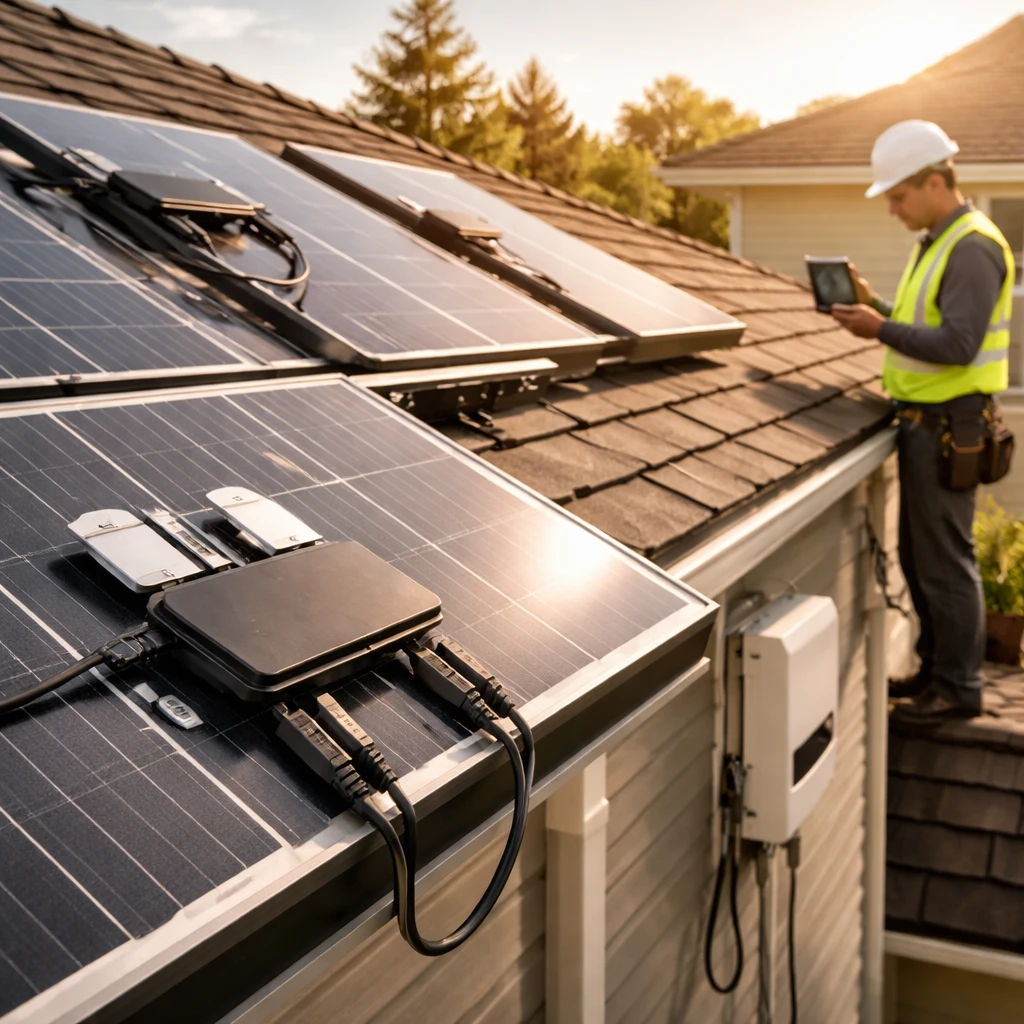
Tigo Energy operates in the solar balance-of-system market, specializing in MLPE such as optimizers and smart connectors that increase energy harvest and simplify safety compliance. The broader market cares because MLPE remains one of the faster-growing components of a residential and commercial solar install: products that reliably boost system output and simplify commissioning command premium pricing and stronger channel support from installers and distributors.
For investors, the combination of a refreshed product suite and a visible liquidity plan matters because it addresses two common failure modes for hardware-centric cleantech names: product obsolescence and cash-runway uncertainty. If Tigo successfully executes on both, revenue growth can reaccelerate while fixed-cost leverage improves gross margin over time.
Supporting argument - execution levers and operational signals
- Product pipeline: The company is promoting an updated MLPE roadmap intended to reduce BOM cost and simplify installation. A modernized design can lower warranty exposure and accelerate channel conversion among installers who prioritize low-touch installs.
- Channel pull: Installer economics drive adoption. Early reports from distribution partners indicate a preference for products that reduce install time and troubleshooting. A streamlined optimizer with integrated commissioning could tilt distributor stocking decisions toward Tigo.
- Liquidity pathway: Management has communicated a financing plan to carry the company into 2026. That matters because a binding liquidity deadline often forces distressed asset sales or heavy dilution. A credible runway gives the firm time to commercialize new SKUs and slip into positive free cash flow on incremental unit sales.
- Market context: Residential solar demand remains sensitive to tax incentives and softening module prices. Companies that reduce installer friction and improve yield per roof are positioned to maintain pricing power despite aggressive competition on system equipment.
Valuation framing
At current public levels, the market appears to be pricing significant execution risk into Tigo. With limited clarity on near-term revenue and without a clear market snapshot in this note, valuation must be approached qualitatively: hardware players that successfully reintroduce lower-cost, easier-to-install products typically trade at a premium to commodity inverter or racking suppliers because of recurring aftermarket services and firmware-enabled upgrades.
If Tigo can stabilize revenue growth and demonstrate margin expansion through component cost reductions and better channel economics, multiples should re-rate from a distressed hardware multiple toward a more normalized industrial technology multiple. The trade laid out here assumes a partial re-rating back to those levels rather than a full recovery to peak historical multiples.
Catalysts (near-to-medium term)
- Public release or broad distributor shipment of the refreshed MLPE product - tangible evidence of sales traction.
- Quarterly update showing improving gross margins or lower warranty expense tied to the new hardware.
- Corporate financing event or meaningful extension of debt/capital runway into late 2026 without punitive dilution.
- New distribution agreements or large-scale installer pilots converting to purchase orders.
Trade plan (actionable)
Entry: $1.20
Stop loss: $0.80
Target: $2.10
Position sizing and horizon: This is a long trade sized to reflect a medium risk allocation in a clean-energy portfolio. I view the appropriate time horizon as long term (180 trading days) - this allows time for product ramp, installer adoption, and any financing execution to play out. If a financing event is delayed beyond this window or if product shipments fail to materialize, reassess and consider trimming or exiting earlier.
Why these levels? The entry at $1.20 prices in elevated execution risk but leaves room for disappointment without immediate stop-out. The stop at $0.80 limits downside to the outcome where product rollout or liquidity events are clearly failing. The $2.10 target reflects a scenario of partial recovery and multiple re-rating driven by steady topline improvement and demonstrable margin trends.
Risks and counterarguments
- Financing risk: If the company cannot execute on its liquidity plan, forced asset sales or deeply dilutive financings are likely. That outcome would erode equity value regardless of product merit.
- Execution risk on product rollout: New hardware can suffer quality or compatibility issues. Elevated warranty costs or installer returns would delay revenue recognition and hurt margins.
- Competitive pressure: Larger inverter and MLPE suppliers can undercut on price or bundle features with broader service platforms. If Tigo fails to materially differentiate, share gains will be limited.
- Channel adoption lag: Installer conversion is behavioral and takes time. Even a superior product can be slow to displace existing inventory or entrenched supplier relationships.
- Macro and policy risks: Sudden changes to incentive programs or weakness in residential solar installations could meaningfully reduce addressable demand.
Counterargument
One reasonable counterargument is that the market has already priced in the potential upside and that any financing will be so dilutive it negates share-price gains. If financing requires issuing a large block of equity at a low price, early shareholders may see their gains wiped out even if the product line eventually succeeds. That scenario is plausible and is why the stop is relatively tight and why position sizing should be conservative.
What would change my mind
I would materially change my stance if any of the following occurred:
- Management confirms a non-dilutive financing event or an equity raise at a price well above the entry, which would reduce dilution risk and justify increasing position size.
- Quarterly results show continued deterioration in warranty expense or gross margins despite product refresh - that would suggest the new hardware is not resolving root issues and would likely push me to a neutral/short stance.
- A major distribution partner formally pulls support or a notable installer publicly rejects the product after pilot testing. Loss of a large channel partner would be a strong negative signal.
Conclusion and final trade recommendation
Tigo Energy presents a clear risk-reward setup: a refreshed product pipeline combined with a financing plan aimed at securing runway into 2026. Those factors create a path to re-rated multiples and a meaningful recovery in equity value if executed. The trade laid out here - entry $1.20, stop $0.80, target $2.10, horizon long term (180 trading days) - is a measured way to express that view while keeping downside defined.
This is an outcome-driven trade. Monitor three things closely: product shipment cadence and field reliability, channel uptake from installers and distributors, and any financing paperwork or announcements. Positive movement on those three vectors would justify adding to the position; negative signals should trigger a disciplined exit.
Key operational checkpoints:
- Product launch and initial shipment numbers.
- Quarterly margin and warranty trends.
- Details and terms of any financing events.
Trade plan recap: Long Tigo Energy at $1.20, stop $0.80, target $2.10. Horizon: long term (180 trading days). Risk level: medium. Adjust size according to portfolio risk tolerance and watch financing and product rollout as primary catalysts.