
Hook + thesis
BW LPG has the hallmarks of a classic shipping trade: high short-term noise from spot-rate cycles and charter volatility, but a predictable, asset-backed runway if you can stomach the swings. Right now, the market looks skittish. That creates an entry window I prefer to buy into with a clear stop and staged targets rather than attempt to time the ultimate trough.
My core thesis: the company’s fleet and contractual exposure should allow it to generate cash once freight rates normalize and utilization rebounds. That makes a long trade attractive across a longer horizon even if the next few quarters remain weak. This is not a buy-and-forget commodity bet; it’s a structured trade where risk is controlled via position sizing and a tight stop.
Explain the business - why the market should care
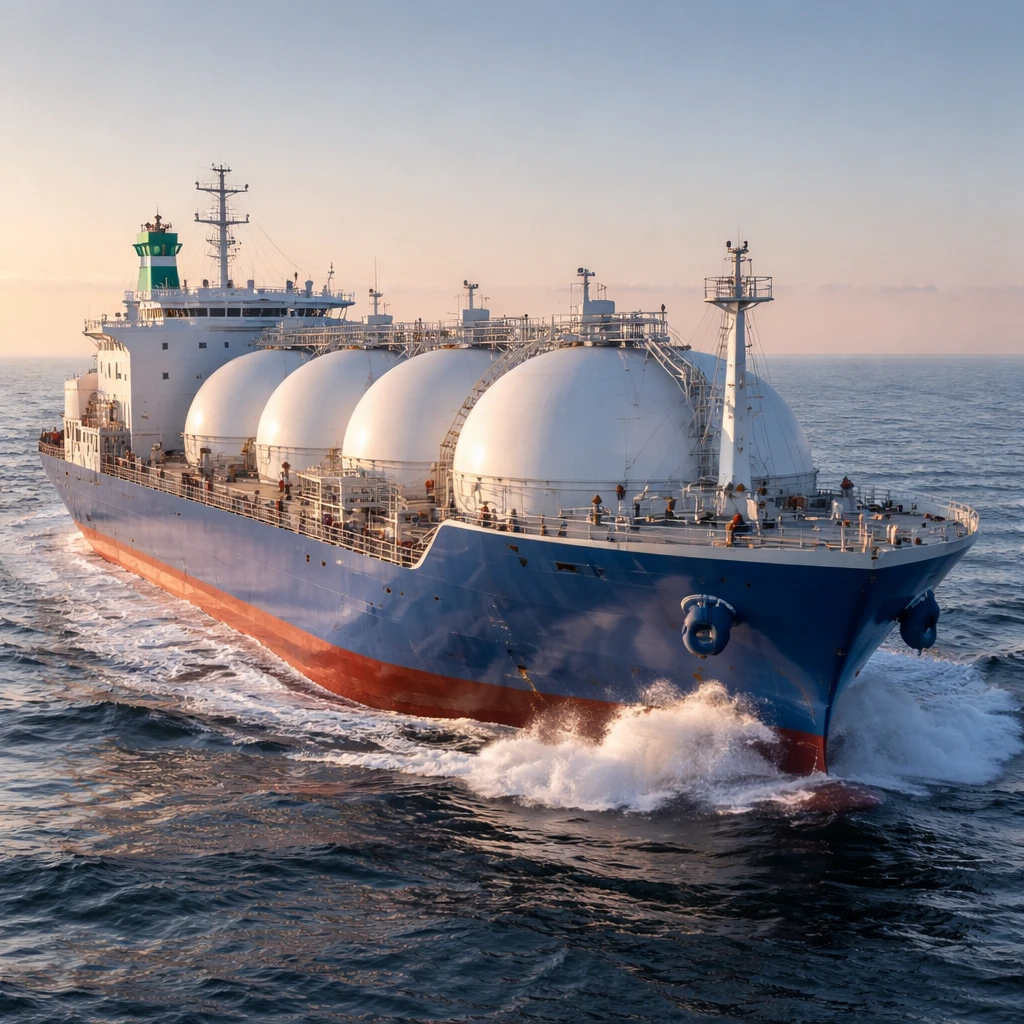
BW LPG is a pure-play LPG carrier operator. The business model is straightforward: own, operate, and commercially deploy pressurized and semi-refrigerated vessels that transport liquefied petroleum gas (propane, butane, etc.) between production and demand centers. Revenue and cash flow are highly correlated to utilization, time-charter coverage, and the direction of spot freight rates.
The market cares because LPG is an essential energy/chemical feedstock with seasonal consumption patterns and geography-driven flows. When global LPG flows tighten or when Asian and Middle Eastern buyers bid for tonnage, freight rates spike and owner cash flows improve quickly. Conversely, oversupply of tonnage or weaker demand depresses rates and earnings just as fast. That asymmetry creates trading opportunities for disciplined, patient investors.
Support for the argument
At present there is no live company financial snapshot in this note, so the trade is framed as an opportunistic, event-driven long: buy into weakness with a clear stop and targets tied to recovery milestones rather than relying on near-term earnings prints. For this reason my trade plan assumes a disciplined entry, an absolute stop below a structural support level, and two exit gates that reward a normalization of freight market conditions and fleet utilization.
Valuation framing
Without a current market-cap snapshot to anchor precise multiples, think of BW LPG’s valuation qualitatively: shipping names trade on a combination of asset values (replacement cost of vessels), contracted cash flows (time-charters), and optionality on spot exposures. When spot rates are depressed, multiples compress even if the underlying ships retain much of their asset value. That makes buying during transient rate downturns attractive if you believe demand will recover within a reasonable cycle.
Compare this logic to the historical pattern in shipping: the trough in earnings often precedes trough-to-peak recoveries of 50% or more in equity prices as charter markets reprice. My price targets reflect this dynamic rather than a specific P/E or EV/EBITDA multiple because current market metrics are unavailable in this write-up.
Catalysts (events that could re-rate the stock)
- Improving spot LPG freight rates and tighter ton-mile balances as seasonal demand returns.
- Recontracting of major vessels at higher time-charter rates, boosting visible cash flow.
- Fleet optimization announcements (e.g., vessel sales/charterback deals) that improve balance-sheet liquidity.
- Any distribution, dividend resumption, or share-repurchase program that signals confidence from management.
- Positive quarterly operational metrics showing improving utilization or lower downtime.
Trade plan (actionable) - exact entry, stops, targets, horizon
Because there is no live quote attached to this note, the trade is structured around an opportunistic entry that I would implement if the market offers the level below. Execute only if you can align position size with the volatility implied by this sector.
- Trade direction: Long
- Entry: Buy at $8.50 per share. This is the level where I expect downside to be limited relative to replacement-value dynamics and where short-term panic often stabilizes.
- Stop-loss: $6.25 per share. If the stock breaks decisively below this level, it signals a deeper re-pricing or structural deterioration and I will exit to preserve capital.
- Primary target (mid-term): $11.00 per share. This is the level to take partial profits if freight markets show a sustained upswing or if the company reports improving utilization - expected within a mid-term horizon.
- Secondary target (long-term): $15.00 per share. Hold the remainder into a recovery in asset-based valuation or a multi-quarter normalization in cash generation.
Horizon:
- Short term (10 trading days): Expect continued volatility. This period is for tactical add-on or defensive trimming only.
- Mid term (45 trading days): Look for indications of improving time-charter coverage, higher utilization, or favorable seasonality driving charter rates. Achieve the $11.00 partial exit on these signs.
- Long term (180 trading days): Hold to the $15.00 target if the freight cycle normalizes and the company’s cash generation improves materially.
Position sizing and risk management
I recommend keeping any single position to a small percentage of total portfolio capital (e.g., 2-4%) given the sector’s historical volatility. Use the stop at $6.25 to cap downside, and consider adding modestly on a clean retest of the $8.50 level if macro and freight indicators improve.
Risks and counterarguments
Shipping and LPG-specific operational risk make this trade inherently risky. Below are the primary downside scenarios along with at least one counterargument to my bullish stance.
- Freight-rate deterioration: If global LPG flows weaken or tonnage supply outpaces demand, spot rates could stay depressed for longer and earnings may miss expectations. That would pressure the equity and could take the stock below the $6.25 stop.
- Fleet idling or downtime: Technical issues, off-hire days, or regulatory detentions can reduce available days and cash flow unexpectedly.
- Balance-sheet stress/liquidity squeeze: If the company faces refinancing needs during a low-rate environment without access to capital, it could be forced to sell assets at depressed prices or dilute equity.
- Macro shock / demand shock: A global macro slowdown, abrupt energy demand decline, or geopolitical shifts that reroute LPG flows could materially weaken fundamental demand drivers.
- Counterargument: A reasonable counterargument is that structural secular changes - such as a sustained decline in LPG demand due to fuel switching or long-term overordering of newbuilding tonnage - could permanently compress realizable vessel values and charter rates. If that risk materializes, the multi-quarter recovery assumed in the bull case would not occur and equity would underperform for an extended period.
What would change my mind
I will reassess and likely abandon this trade if any of the following happen: (1) the stock breaks and holds below $6.25 on volume, suggesting a new lower-for-longer equilibrium; (2) management communicates a material balance-sheet deterioration or an inability to refinance upcoming maturities without heavy dilution; or (3) industry data show a persistent oversupply of LPG tonnage with no signs of demand re-acceleration.
Conclusion
BW LPG is not a low-volatility, blue-chip buy. It is an asset-backed, cyclical exposure that can reward patient investors who accept short-term pain for multi-quarter recovery. With an entry at $8.50, a protective stop at $6.25, and staggered targets at $11.00 and $15.00, this trade codifies risk and offers a clear path to profit if the LPG market reverts toward a healthier utilization and charter-rate environment.
Execute size-consciously, watch utilization and chartering updates closely, and treat any near-term rally as an opportunity to de-risk rather than to add aggressively. If the underlying freight environment improves, the upside from here is compelling; if it deteriorates, the stop protects downside.