
Hook & thesis
Ardagh Metal Packaging is not a turn-key story, but the ingredients for a profitable trade are present: stable end-market demand for aluminum beverage cans, easing commodity pressures, and visible operational fixes that should start to show through in margin improvement. The market appears to be assigning a low premium to potential execution wins. That creates an entry opportunity with a clearly defined stop and asymmetric upside to a reasonable target.
We are constructive because the firm sits at the intersection of two favorable secular trends - beverage category share gains for aluminum and continued sustainability-driven substitution away from multi-material packaging - while near-term cost dynamics are moving in its favor. The trade here is tactical: buy into improving execution and macro tailwinds, keep position size sensible, and monitor cash flow and leverage metrics closely.
What the company does and why it matters
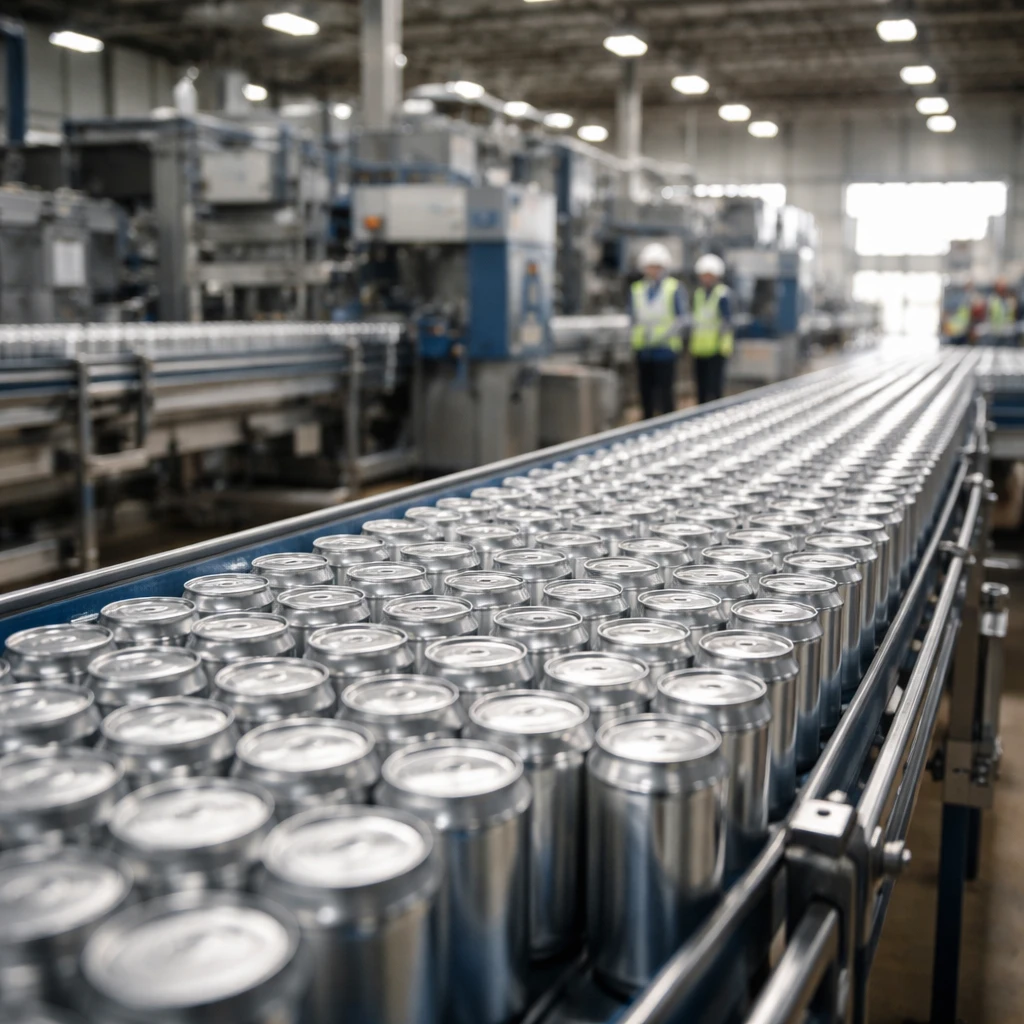
Ardagh Metal Packaging is a global producer of metal packaging, most notably aluminum beverage cans and ends, serving breweries, soft drinks, and consumer goods companies. The company’s manufacturing footprint and scale are strategic assets: metal packaging benefits from high barriers to entry, regional production requirements driven by freight and carbon footprint considerations, and long-term substitution trends in favor of recyclable aluminum.
Investors should care because demand for beverage cans remains resilient across economic cycles, and sustainability preferences are accelerating conversion from glass and multi-layer plastics in several markets. For a capital-intensive packager like Ardagh, even small improvements in plant utilization, scrap reduction, or input cost pass-through can produce outsized earnings leverage. That dynamic underpins the bullish case: secular demand provides volume stability while execution and cost improvements drive margin expansion.
Evidence and operational framing
Recent quarters have shown a mix of steady volumes and margin pressure in the industry generally, driven by prior cycles of higher aluminum and energy costs. However, the current environment is characterized by easing commodity inflation and improved freight conditions in many regions. For a manufacturer with large fixed costs, that is the archetypal environment for margin recovery once utilization and operational discipline improve.
There are three operational levers to watch at Ardagh: utilization rates across major plants, scrap and yield improvement programs, and pricing pass-through to customers. Management commentary in recent releases and investor outreach has emphasized investments in productivity and tighter working capital discipline. If these initiatives deliver even partial promised benefits, free cash flow should move meaningfully higher versus recent levels.
Valuation framing
Current market pricing appears to reflect modest expectations for both margin improvement and deleveraging. Relative to history, the company trades at a discount to high-quality packaging peers on a multiple-to-earnings basis, reflecting cyclical execution risk and leverage. That gap argues the market is not paying up for a recovery, which benefits an investor who believes management can stabilize operations and capitalize on favorable input-cost trends.
We prefer to judge valuation through operational progress rather than headline multiples today. Key valuation inflection points will be clearer when management reports consistent margin expansion quarter-to-quarter and demonstrates positive free cash flow generation that meaningfully reduces net debt. Until that happens, the stock should trade on event-driven rerating potential rather than consensus earnings upgrades.
Catalysts
- Quarterly results showing sequential margin improvement driven by lower raw-material costs and better plant utilization.
- Management updates quantifying productivity gains and targeted working capital reductions.
- Major customer wins or contract renewals that provide revenue visibility and pricing stability.
- Sector re-rating off improved macro indicators, such as stable oil and commodities that lower conversion and logistics costs.
Trade plan - actionable entry, stop and target
Trade direction: long
Entry: $8.50
Stop loss: $6.80
Target: $11.50
Time horizon: mid term (45 trading days). This horizon is chosen to give management time to report operational updates or a quarter’s worth of evidence that cost tailwinds and productivity programs are translating into margin recovery. The target reflects a modest multiple expansion coupled with operational improvement rather than an aggressive multiple re-rating.
Position sizing: Keep initial exposure conservative - this is a tactical trade on execution improvement. Consider scaling into the position on price weakness and trimming into strength toward the target.
Why this setup offers asymmetry
The stop is tight enough to limit downside if execution fails to improve, but the target captures a meaningful rerating and operational recovery. If management delivers on productivity and commodity tailwinds persist, upside can be realized quickly as the market reassigns valuation multiple and rewards visible free cash flow improvement.
Risks and counterarguments
Below are the principal risks that could invalidate this trade, followed by a plausible counterargument to the bullish thesis.
- Execution risk: Management may miss productivity or yield targets, delaying margin recovery and freeing little incremental cash flow. This is the single largest risk for a capital-intensive manufacturer.
- Commodity and input-cost volatility: A renewed spike in aluminum, energy, or freight costs could compress margins again and make pricing pass-through slower or incomplete.
- Demand shock: Beverage OEMs could cut back orders if consumer demand softens materially, which would hurt utilization and profitability simultaneously.
- Balance-sheet sensitivity: The company carries leverage typical for the sector. If cash flow remains weak, refinancing or covenant pressure could force asset sales or costlier capital.
- Customer concentration: Large customers negotiating aggressive pricing or switching suppliers could undermine revenue visibility and margin expectations.
Counterargument
One reasonable bear case is that structural tailwinds are overstated and that the industry’s capital intensity means benefits of any demand shifts accrue slowly. If substitution dynamics stall and aluminum pricing remains volatile, the company could face a multiyear grind without meaningful rerating. In that scenario the stock would remain range-bound or move lower until either the macro or management credibility changes.
What would change my mind
I would reduce conviction or exit the trade if the company reports a quarter with: declining utilization, deteriorating gross margins despite lower commodity prices, or worsening free cash flow and rising net leverage. Conversely, I would increase conviction if management reports clear, repeatable productivity improvements and a demonstrable trajectory of free cash flow generation that allows measurable debt reduction.
Conclusion
Ardagh Metal Packaging is a pragmatic trade: secular demand and improving input-cost dynamics create a favorable backdrop, while execution improvements could unlock substantial upside relative to current market pricing. The trade here is tactical and disciplined - buy at $8.50, manage risk with a $6.80 stop, and target $11.50 within approximately 45 trading days. Keep position size modest and watch closely for quarterly proof points on utilization, yield, and cash flow. If those come through, the market should reward the stock with multiple expansion and stronger valuation.
Monitor catalysts closely and be willing to act quickly if execution disappoints.