
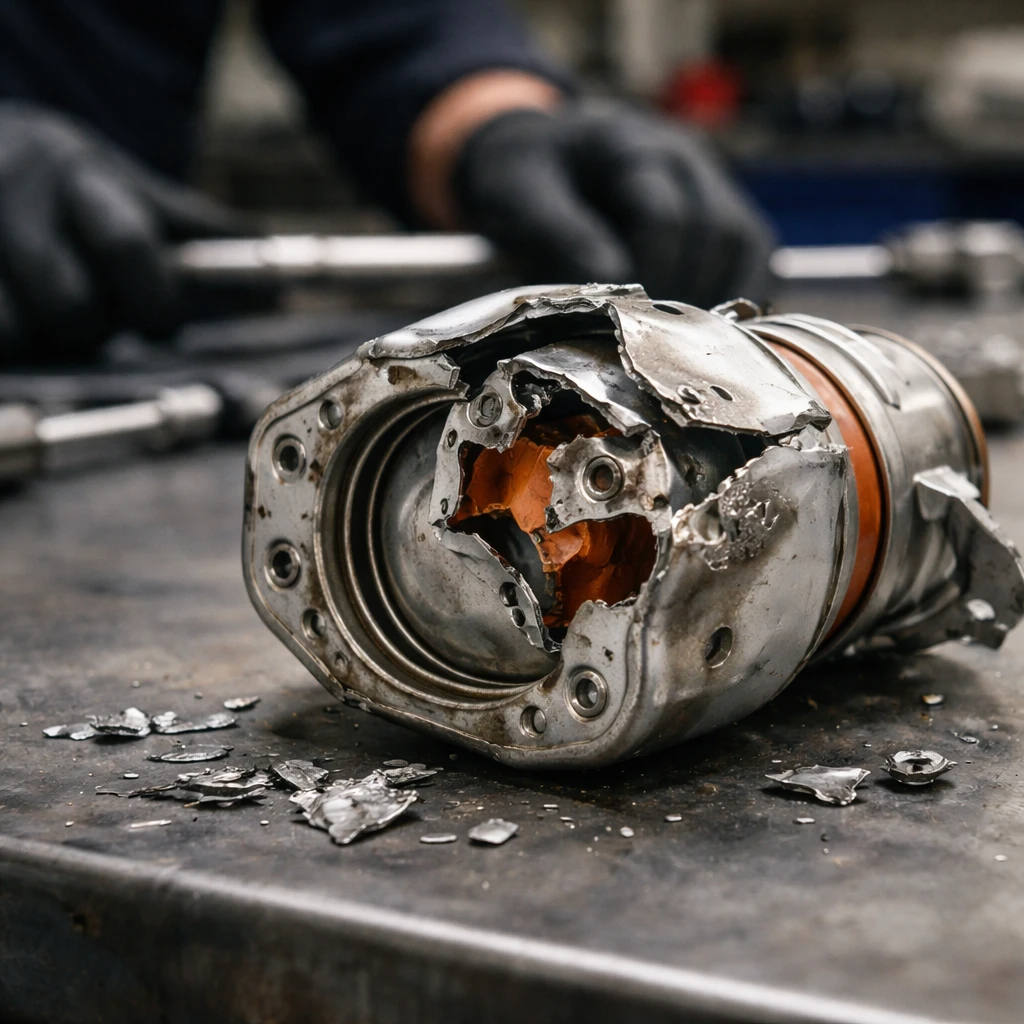
The National Highway Traffic Safety Administration has issued a ban on certain replacement automobile air bag inflators manufactured in China after linking the devices to a series of fatal and serious-injury crashes. The agency said the move follows evidence that these replacement inflators ruptured in crashes and posed a significant safety risk to drivers and passengers.
NHTSA reported it is aware of 12 crashes in the United States that produced deaths or serious injuries tied to ruptured replacement inflators made in China by Jilin Province Detiannuo Automobile Safety System Co Ltd, also known as DTN. The inflators were illegally imported into the U.S. beginning in May 2023, according to the agency. Of the incidents identified, at least 10 resulted in fatalities.
The agency said all recorded deaths occurred in vehicles manufactured by General Motors or Hyundai. In its account of the failures, NHTSA described inflator ruptures that occurred in crashes that otherwise would have been survivable, and that the ruptures sent large metal fragments into drivers' chests, necks, eyes and faces.
NHTSA first issued an urgent warning to vehicle owners and repair shops in January after preliminary findings raised alarms about the devices. The most recent fatality reported by the agency took place on February 16 in Clarksdale, Mississippi, involving a 2020 Chevrolet Malibu.
DTN responded in a filing with NHTSA saying it "cannot be proven that the inflators in question" were manufactured by the company and that it cannot be proven the accidents were caused by defective inflators. The company also noted that NHTSA’s investigation identified at least five manufacturers in China producing substandard inflatable devices. DTN added that it has never directly sold the inflators in question to the U.S. market.
The ban targets replacement inflators that were not imported through lawful channels and that NHTSA has tied to ruptures causing severe injuries and deaths. The agency's action follows its review of the crash data and its determination that the devices present a substantial risk to vehicle occupants when they fail.
This action affects vehicle owners, repair shops, and the broader auto parts supply chain that handles replacement components. NHTSA's warnings and the subsequent ban aim to remove these hazardous parts from circulation and to prevent further incidents while investigations continue.
Information provided by the agency and by DTN is limited to the findings and statements referenced above. Additional details on the inquiry and any further regulatory steps were not provided in the materials reviewed for this report.