
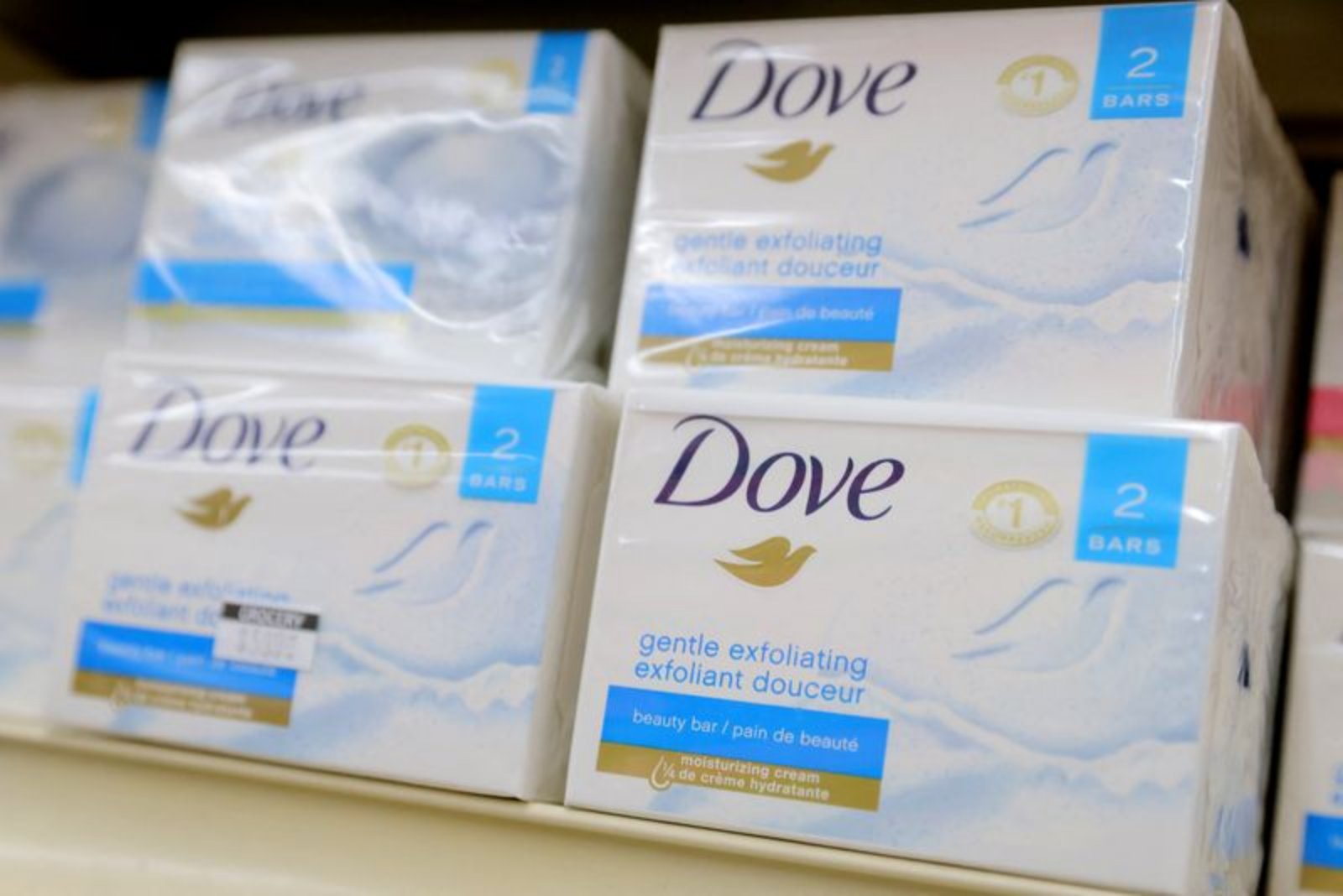
April 30 - Consumer goods group Unilever posted underlying sales growth of 3.8% for the first quarter, beating market expectations and reflecting solid consumer demand for its home care range and personal care brands. The company specifically cited strong performances from its beauty brands, including Dove and Vaseline.
Management maintained its 2026 sales and profit margin guidance, signalling no change to the medium-term targets despite the active portfolio reshaping under CEO Fernando Fernandez. "We have started the year well with volume-led growth driven by our Power Brands and a positive performance across all Business Groups," Fernandez said in a statement.
Those comments come amid an ongoing strategic refocus on personal care and beauty. Fernandez has moved to reorient the business after the company separated its ice cream operations last year and, more recently, unveiled plans to hive off its foods division in a proposed merger with U.S. spice maker McCormick.
Analysts had expected underlying sales growth of 3.6% for the quarter ended March, based on a company-compiled consensus, leaving Unilever to edge past those estimates. The company also reported underlying volume growth of 2.9% for the period, ahead of the 1.8% volume gain analysts had been forecasting.
The quarterly results underline a period of transition for Unilever as it narrows its strategic focus on higher-growth categories while pursuing structural changes to the portfolio. The combination of volume gains and outperformance versus consensus highlights the current operational momentum, particularly within its Power Brands and across business groups.
Contextual note: The firm's activity includes the separation of its ice cream business carried out last year and the announcement last month regarding a planned transaction to spin off its foods business with McCormick. These moves form part of the company-led shift toward personal care and beauty.
"We have started the year well with volume-led growth driven by our Power Brands and a positive performance across all Business Groups," Fernando Fernandez, CEO.
The quarter's figures — an underlying sales increase of 3.8% and underlying volume growth of 2.9% — outpaced consensus expectations of 3.6% and 1.8% respectively, indicating a stronger-than-expected consumer response to Unilever's home care and beauty offerings during the three-month period ending March.