
Stock Markets April 29, 2026 11:06 PM

Tesla's First Semi Emerges from High-Volume Line as 2026 Production Targets Near

Electric truck begins production rollout amid broader plans to scale manufacturing and raise capital spending

By Jordan Park TSLA
Tesla's First Semi Emerges from High-Volume Line as 2026 Production Targets Near
TSLA

Tesla confirmed that its first Semi has started rolling off a high-volume production line, a milestone the company announced on social media. The Semi is an all-electric long-haul truck with a long-range variant rated at about 500 miles per charge and deliveries expected to begin this year. Tesla has reiterated plans to start mass production of several new products in 2026 and has outlined a significant increase in capital expenditure to support factory builds and battery and lithium production.

Key Points

  • Tesla confirmed the first Semi truck has come off a high-volume production line and shared the update on X.
  • The Semi's long-range model is rated to travel up to about 500 miles on a single charge, with deliveries expected to begin this year.
  • Tesla reiterated plans for mass production of multiple products in 2026, including the Cybercab robotaxi and Megapack 3 battery system, and plans to more than double capital spending to over $20 billion to fund factories and battery and lithium production.

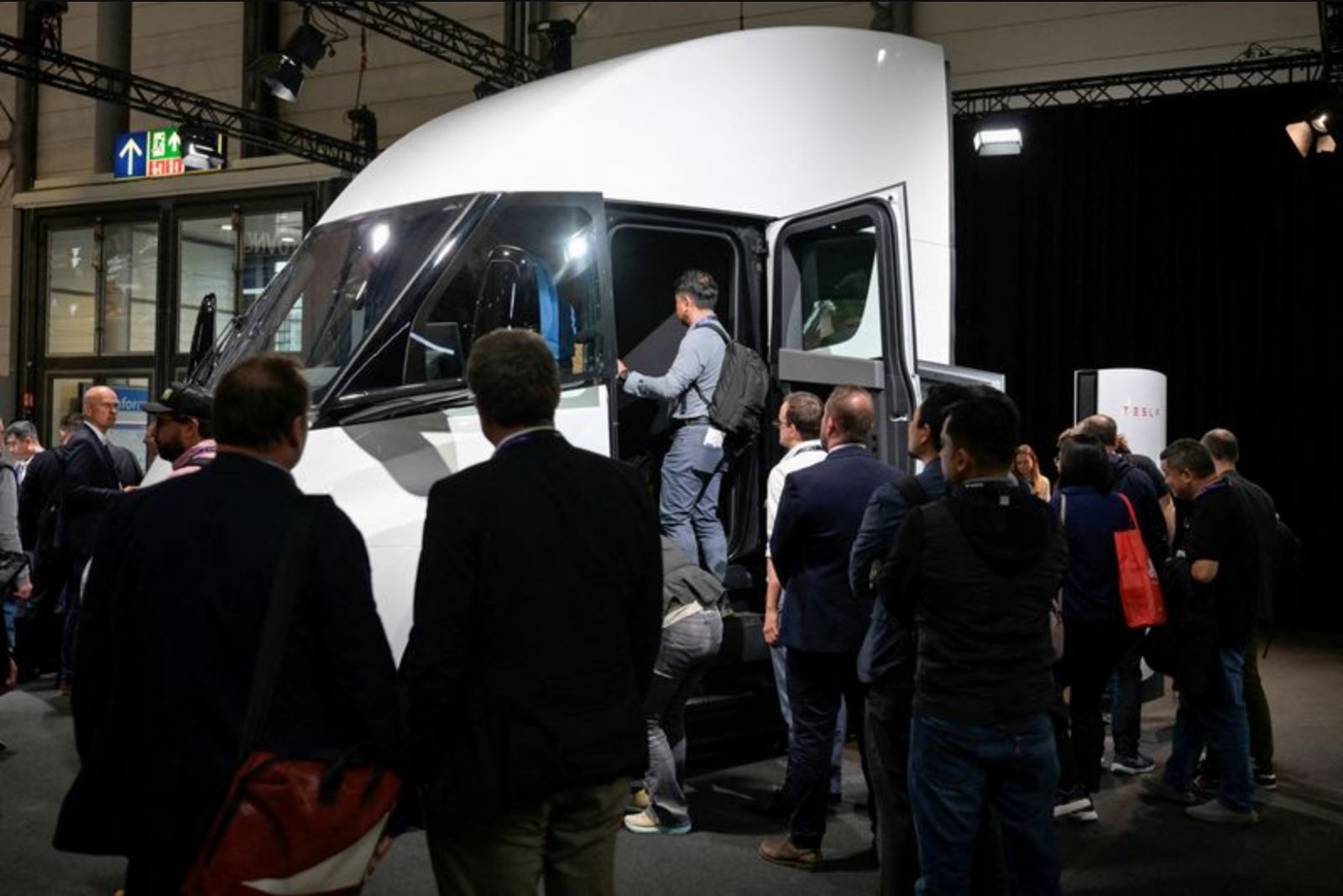
April 29 - Tesla announced that its initial Semi truck has come off a high-volume production line, posting the update on its X social account. The company described the vehicle as the "First Semi off high volume line," underscoring that the electric Class 8 truck is now in production at scale rather than limited pilot runs.

The Semi is positioned as an all-electric vehicle for long-haul freight operations. According to the company's product specification, its long-range configuration can travel up to about 500 miles on a single charge. Tesla has indicated that deliveries of the Semi are expected to begin this year, moving the model from demonstration and pre-production phases toward customer handover.

Tesla has previously signaled an aggressive manufacturing calendar, aiming to commence mass production in 2026 for several new product lines. Reporting has indicated that the Cybercab - the company's robotaxi variant - will be produced in Texas, while the Semi's volume manufacturing is planned for facilities in Nevada. During its most recent earnings call, the company reiterated that volume production of both the Cybercab robotaxi and the Megapack 3 battery system is scheduled to begin in 2026 as well.

Capital allocation is a central piece of Tesla's stated strategy to support these production ramps. In January, the company disclosed plans to more than double capital spending this year to more than $20 billion. The announced investments are to be concentrated on factory construction and upgrades for semi-trucks and Cybercab autonomous vehicles, production capacity for Optimus humanoid robots, and expanded battery and lithium production capacity.

The announcement that a Semi has rolled off a high-volume line represents a tangible step in Tesla's roadmap to scale multiple new product families concurrently. The company continues to tie manufacturing site assignments to specific products - Texas for Cybercab and Nevada for Semi - while also pointing to major capital deployment to enable these plans.


Context and next steps

Tesla's update on the Semi sits alongside its broader 2026 production timetable for Cybercab and Megapack 3, and its stated capital spending increase for the current year. The company has framed these moves as investments in both vehicle and energy product lines that require new or expanded factory capacity and upstream material production.

Risks

  • Timing and execution risk - volume production for key products, including the Cybercab and Megapack 3, is scheduled for 2026, creating a risk that planned timelines or ramp rates could change.
  • Delivery timing uncertainty - while deliveries of the Semi are expected to begin this year, that schedule may be subject to change as the production ramp progresses.
  • Capital intensity - Tesla's plan to more than double capital spending to over $20 billion concentrates investment risk in factories, vehicle programs and battery and lithium production, which could affect the company's cash deployment and project execution.

More from Stock Markets

U.S. Futures Largely Flat as Hormuz Clashes and Oil Spike Temper Appetite May 4, 2026 Regis and Vault agree all-share merger to form A$10.7 billion gold producer May 4, 2026 Brockman Reveals Near-$30 Billion OpenAI Stake and Financial Links to Altman During Musk Trial May 4, 2026 California Launches Probe into Federal Deal That Scrapped Central Coast Offshore Wind Project May 4, 2026 Pilots Union Praises Kirby’s Merger Vision, Stops Short of Endorsing Deal May 4, 2026