
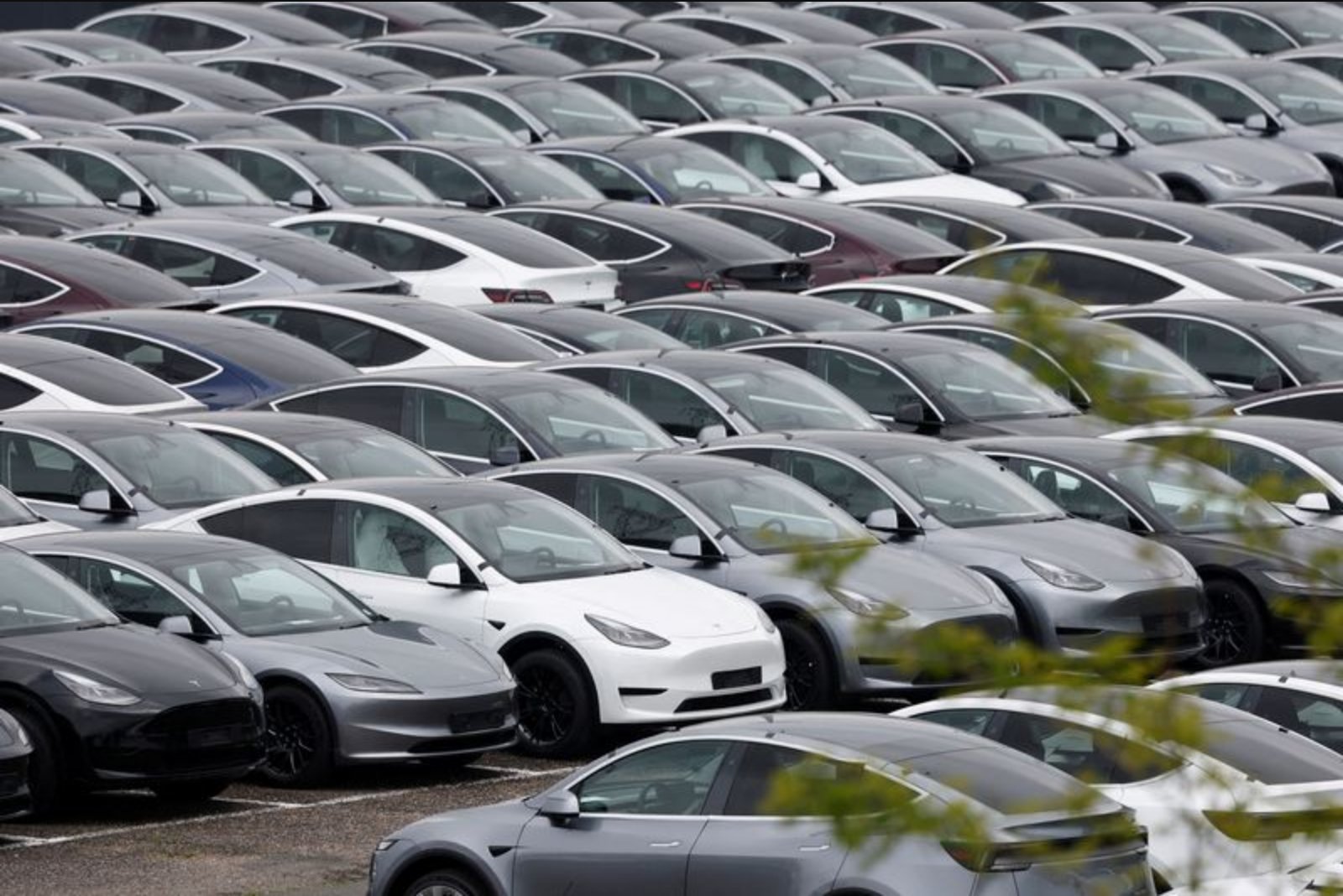
Tesla's vehicle registrations in several European markets showed notable gains in April, extending a recovery that follows two consecutive years of shrinking sales. Across Europe the company's sales increased nearly 45% in the first quarter, reversing declines that included a near 27% drop in 2025.
Government and industry registration data point to strong month-on-month rebounds in specific countries. In Denmark, registrations rose 102% in April compared with a year earlier, according to bilstatistik.dk. French data from PFA recorded a 112% jump in Tesla registrations for the month, while figures from Dutch automotive industry association BOVAG indicated a 23% increase in the Netherlands.
Those gains have occurred against a backdrop of rising interest in both new and used electric vehicles across the continent. The article attributes part of that heightened interest to increased fuel costs after the Iran war began on February 28, which has helped push consumers toward EVs.
Regulatory developments also provided support for Tesla in Europe last month. The Dutch vehicle authority RDW approved the company's driver-assistance software and has informed the European Commission of its intention to pursue approval for use across the European Union. The software is available from Tesla via a monthly subscription.
Despite these registration increases, Tesla faces growing competitive pressure. The company’s product portfolio in Europe remains small and aging, consisting of two models, and it has not introduced a new mass-market model since the Model Y in 2020. At the same time, an expanding set of Chinese manufacturers and established automakers are launching new electric models into the market.
Competitive dynamics were evident in market outcomes during April. In Denmark Tesla sold fewer cars than Chinese EV startup Xpeng for the month, and in the Netherlands BYD outsold Tesla. These developments illustrate how Chinese rivals are chipping away at Tesla’s market share in Europe even as its absolute registrations rise in some countries.
The pattern of stronger registrations in select markets, regulatory progress on driver-assistance software and intensifying competition together present a mixed picture for Tesla in Europe: recovering sales volumes in certain countries, but heightened pressure on market share from new entrants and a limited product lineup.