
Overview
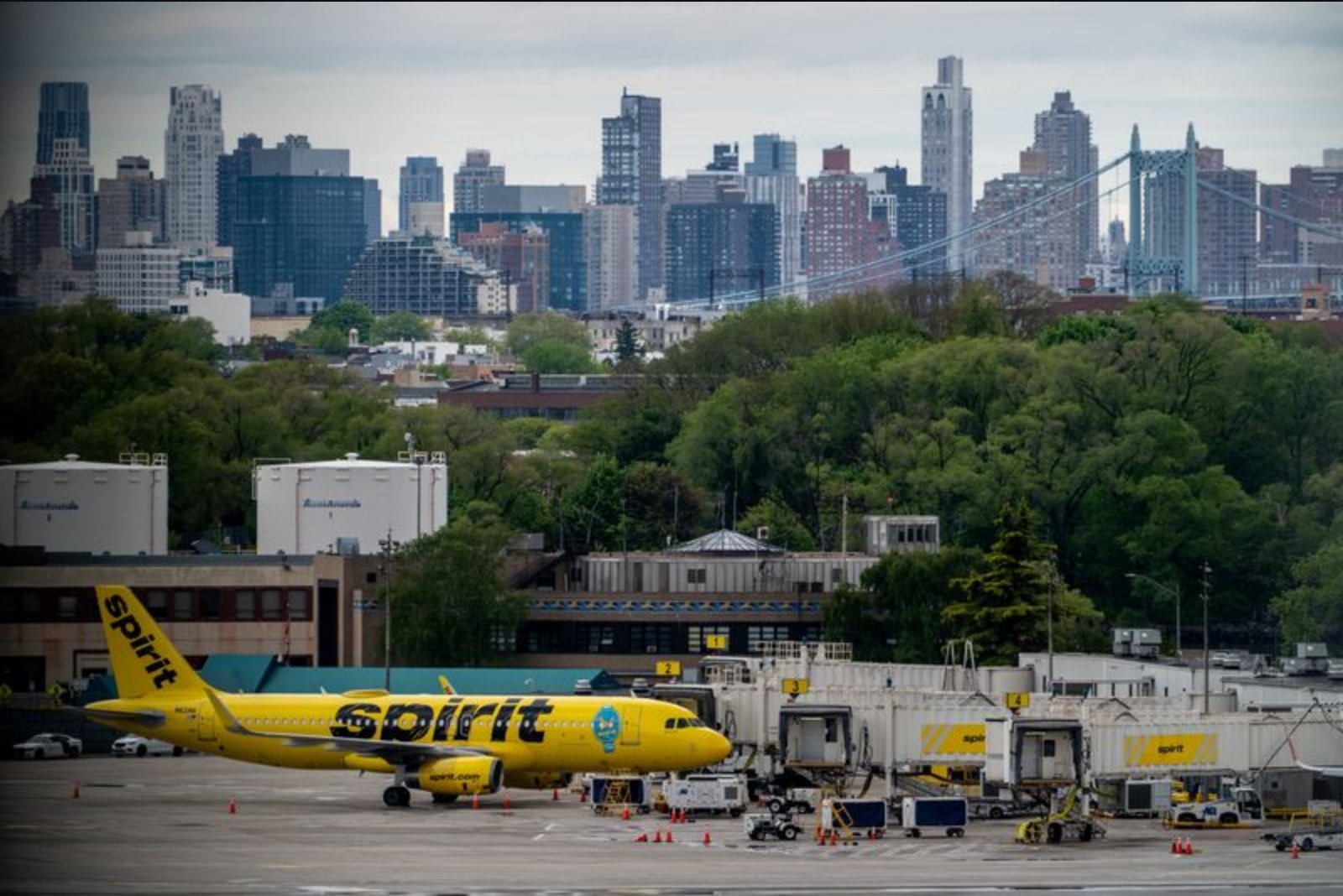
Spirit Airlines abruptly stopped flying on Saturday after a proposed rescue collapsed, trapping customers and staff in the immediate fallout. The shutdown followed a doubling of jet fuel prices during the two-month-old Iran war and the rejection by creditors of a financing package backed by the U.S. government. Officials and other carriers moved quickly to provide short-term relief for affected travelers and employees.
Government efforts and lender resistance
Transportation Secretary Sean Duffy said at a news conference that creditors had rejected the government-backed deal despite intense efforts to keep Spirit operating. President Donald Trump had proposed $500 million to support the carrier through its bankruptcy, but that financing met opposition from some of the president's advisers and from several Republican members of Congress. Some of Spirit's largest creditors, including Citadel, a major hedge fund tied to Ken Griffin and one of the airline's top bondholders, opposed the government-supported rescue on the grounds that the terms would subordinate existing claims by placing federal financing ahead of current debt.
According to Spirit, the carrier's collapse will result in the loss of about 15,000 jobs among employees and contractors. The abrupt cessation of service marks what officials called the industry’s first casualty linked to the Iran war.
Fuel shock and bankruptcy plans upended
Spirit had been working through a restructuring process and had reached a deal with its lenders that would have positioned the airline to emerge from its second bankruptcy within months. That plan assumed much lower jet fuel costs - about $2.24 a gallon in 2026 and $2.14 in 2027 - but jet fuel prices climbed to roughly $4.51 a gallon by the end of April. The surge in fuel expenses upended the carrier’s cost projections and made the planned bankruptcy exit unworkable without additional financing.
Jet fuel represents roughly a quarter of airlines' operating costs, a weighty exposure that amplified the impact of the spike. The airline industry faces broader supply disruptions because Iran has halted nearly all traffic through the Strait of Hormuz and the U.S. Navy is blockading Iranian ports, factors that have contributed to surging global fuel prices.
Scale of operations and market position
Spirit accounted for about 5% of U.S. flights last year - a share that no U.S. carrier of Spirit’s size has lost through liquidation in about two decades, according to the reporting. The airline had 4,119 domestic flights scheduled between May 1 and May 15, providing 809,638 seats. Earlier this year, Spirit flew around 1.7 million U.S. domestic passengers in February and held a 3.9% market share, down from 5.1% the prior year.
Spirit built its business model on ultra-low fares and ancillary fees for services such as checked baggage and seat assignments. The carrier had struggled to return to profitability - it had not recorded a profit since 2019 - and filed for bankruptcy protection twice within a year prior to this final collapse.
Immediate responses from carriers and airports
Major U.S. carriers moved to help customers who saw Spirit flights canceled. United Airlines, Delta Air Lines, JetBlue, and Southwest placed caps on ticket prices for Spirit passengers who need to rebook, requiring customers to present a Spirit confirmation number to qualify. Rival airlines additionally offered free seats to assist Spirit employees trying to get home.
At Orlando International Airport, departure boards were dominated by bright red notices signaling canceled Spirit flights to destinations from Nashville to San Juan, Puerto Rico. On social media platform X, former Spirit flyers posted farewells and memories, with some messages bearing the hashtag "RIP." One user, @IUTruthtellers2, wrote: "Goodbye SpiritAirlines. Those of us in the 'D' (Detroit), or previously known as your Second Hub of #DTW, will miss ya."
Transportation Secretary Duffy described the response from other airlines and airport operations as the industry "stepping up" to help affected travelers and crew.
Wider industry and political context
Duffy also noted that U.S. low-cost carriers had sought $2.5 billion in government aid to address higher fuel costs, though he indicated he did not believe a bailout was necessary "at this point." He criticized the prior administration for blocking a merger between JetBlue and Spirit in 2024, arguing that decision contributed to Spirit's weakened position and ultimately paved the way for its collapse.
Industry observers said Spirit's exit may benefit rivals such as JetBlue and Frontier Airlines, which are likewise dealing with the same fuel cost shock. The shutdown reduces capacity offered by ultra-low-cost competitors in markets where Spirit had pressured fares downward, a dynamic with potential ripple effects for pricing and route competition.
Failed final rescue talks
President Trump said that the White House presented Spirit and its creditors a final rescue proposal after negotiations stalled over a $500 million financing package that would have helped the airline maintain operations during bankruptcy. Although Spirit had reached terms with its lenders for a post-bankruptcy emergence by late spring or early summer, the sharp rise in jet fuel prices undermined its cost forecasts and made the restructuring plan unviable without the proposed additional financing.
The abrupt shutdown underscores the financial fragility that can afflict carriers heavily exposed to volatile fuel costs and whose recovery plans are predicated on stable fuel price assumptions.
What this means for travelers and workers
Passengers with canceled Spirit bookings need to contact carriers capping ticket prices or seek rebooking through other airlines that are offering limited assistance. Employees and contractors face immediate job losses, and Spirit's statement estimated about 15,000 roles will be affected as the carrier winds down operations.
As the aviation sector absorbs the operational disruption, regulators, carriers, and airport authorities are coordinating short-term relief, while the longer-term market effects will depend on how remaining carriers adjust capacity and fares in markets once served by Spirit.