
Several issuers aiming to turn the rapid growth in prediction markets into exchange-traded funds have seen planned rollouts paused after U.S. regulators asked for further details on product mechanics and disclosures.
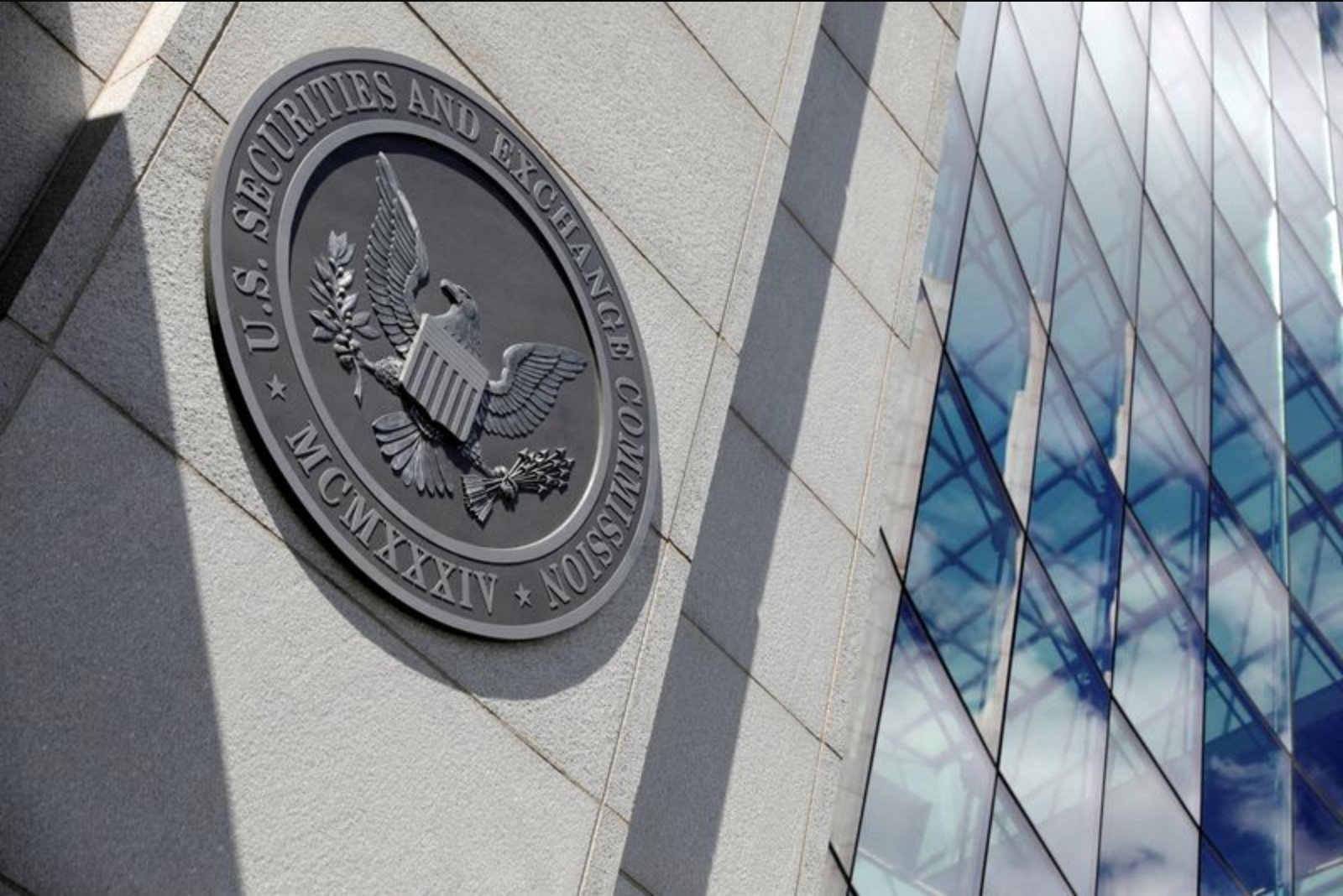
Roundhill Investments, GraniteShares and Bitwise submitted filings in February for a suite of ETFs that would give retail investors exposure to contracts tied to real-world events - from elections and recessions to industry layoffs and commodity price thresholds. Although launches were broadly expected to begin this week, sources familiar with the filings said the Securities and Exchange Commission has requested additional information, delaying the funds' automatic effectiveness under federal rules.
Under current SEC procedures, ETFs become automatically effective 75 days after filing unless the agency intervenes. That 75-day window was due to close this week, but SEC staff stepped in to ask follow-up questions about the underlying mechanics of the proposed products and about issuer disclosures, according to two people with knowledge of the discussions who requested anonymity because the regulatory contacts were private. Those people described the delay as likely temporary.
A spokesperson for the SEC declined to comment, as did Roundhill CEO Dave Mazza and a GraniteShares spokeswoman. Bitwise publicly commented through Matt Hougan, the firm's chief investment officer, noting that the space is evolving quickly and that oversight often develops alongside new product types. Hougan pointed to other recent examples of novel ETF strategies that underwent prolonged review processes before ultimately launching, but he did not discuss specifics of the current regulatory dialogue or provide an expected approval timeline.
Growth of prediction markets and industry response
Prediction-market activity has surged in recent months. The market received a particular boost after platforms such as Kalshi and Polymarket forecasted the outcome of the 2024 presidential election correctly, and after a stance by the Commodity Futures Trading Commission indicating it would regulate, rather than ban, prediction-market contracts. Major brokerage and trading platforms, including Interactive Brokers and Robinhood, have entered the space and anticipate further interest around this year’s midterm elections.
That rise in activity has prompted ETF providers to explore ways to package prediction-market exposure into securities that are tradeable like stocks. Industry research figures and ETF strategists say product sponsors are attracted to the idea because ETFs are a familiar and easily traded wrapper for retail investors, potentially making event-based outcomes more accessible than buying individual event contracts directly.
Products, mechanics and investor warnings
The initial filings from the three issuers cover more than two dozen prediction-market-linked ETFs, according to SEC filings. The first tranche of funds are centered on political outcomes - this year’s Senate and House midterm races and the 2028 presidential election. Other filings target economic and sector questions, such as whether the U.S. will enter a recession this year or whether the tech industry will see a particular level of layoffs.
Bitwise filed a separate ETF on a Friday that would let investors take positions betting on whether the price of crude oil will exceed $120 a barrel within the current year. While specific structures vary across filings, a common design uses derivative positions that track the odds of binary, yes-or-no contracts traded on CFTC-regulated exchanges like Kalshi. Those contracts typically pay $1 if an event occurs and $0 if it does not; many participants are able to hold hundreds of such contracts. Similar to options and futures, the ETF structures allow investors to roll positions into comparable outcomes for subsequent time periods such as the next election cycle or the following calendar year.
SEC disclosures in the filings caution investors about material risks. Issuers warn that changes in regulation or litigation could materially affect the funds. Roundhill’s filing specifically highlights what it calls "heightened risks" tied to insider trading in event contracts and warns investors of the potential for "catastrophic" losses. The filings stress that if an outcome is disputed or later revised - for example, a contested election result or a revised count of layoffs - investor losses remain final and there may be "no recourse."
Political and legal scrutiny
Alongside regulatory review, prediction markets have drawn scrutiny from lawmakers and prosecutors. Some elected officials have expressed concern that betting on geopolitical or military developments - including well-timed wagers tied to the Iran conflict and other military events - could create perverse incentives or even encourage violent acts. Federal prosecutors have examined whether trades on event contracts might raise insider-trading or other criminal concerns, according to materials in the issuer filings.
Despite those concerns, certain market participants say mainstream investors increasingly find prediction markets useful as a hedging and risk-management tool. Edward Ridgely, co-founder of Strand, a platform that aggregates order books for prediction markets, said some clients employ event-driven contracts to hedge exposures spanning bonds to crude oil. Ridgely called the addition of prediction-market ETFs to the broader toolkit "tantalizing," underscoring industry interest even as regulators press for more detail.
Outlook
ETF sponsors are awaiting further guidance from the SEC and have been refining disclosures and product descriptions in response to staff inquiries. The intervening questions from the SEC paused automatic effectiveness under the 75-day rule, but people familiar with the process said the delay is expected to be temporary. How quickly the funds move forward will depend on the extent of the information the SEC seeks and how issuers respond to those queries.
For investors and market participants, the filings and the regulatory pushback together highlight both the appetite for event-driven financial products and the complexities that arise when novel contract types are translated into widely traded funds.