
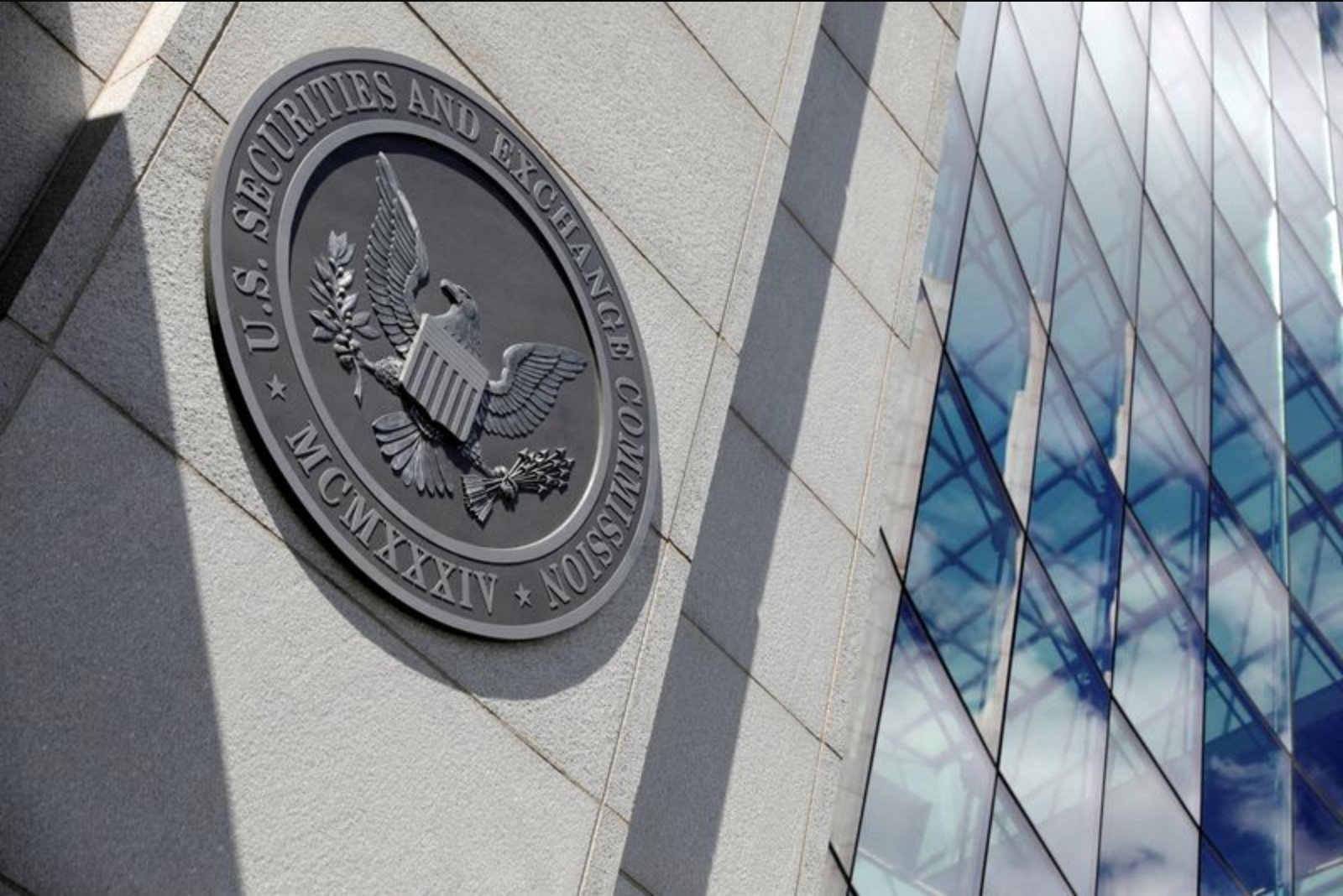
PROVIDENCE, Rhode Island, May 4 - A group of proposed exchange-traded funds that would let retail investors gain exposure to prediction-market contracts has been set back after the U.S. regulator overseeing securities asked issuers for additional information about how the products would operate and be disclosed.
Roundhill Investments, GraniteShares and Bitwise submitted filings in February seeking to package a range of event-linked contracts into ETFs. The funds, which issuers had anticipated would become effective this week under the Securities and Exchange Commission's automatic effectiveness process, have not launched because the SEC intervened with follow-up questions, according to two people familiar with the matter. Those people said the delay is likely temporary.
Under SEC rules, listings are automatically effective 75 days after a filing unless the agency takes action. That 75-day window was due to expire this week, but regulators exercised their authority to request more detail from the issuers about product mechanics and required disclosures, prolonging the review period.
A spokesperson for the SEC declined to comment. Roundhill CEO Dave Mazza and a spokeswoman for GraniteShares also declined to comment. Matt Hougan, chief investment officer at Bitwise, noted that related innovative ETFs have undergone prolonged reviews in the past and eventually launched. "It’s an area that is maturing rapidly and regulations and oversight are maturing rapidly as well," he said. He would not comment for this article on the regulatory discussions or expected approval timeline.
Prediction-market contracts have seen rapid growth among retail and institutional participants. The market drew heightened attention after pioneering platforms Kalshi and Polymarket accurately forecast Donald Trump would win the 2024 presidential election, and after the Commodity Futures Trading Commission under the Trump administration said it would regulate the market rather than ban it. Brokerage platforms including Interactive Brokers and Robinhood have entered the space, and activity is expected to be bolstered by this year’s U.S. midterm elections.
However, certain event-driven wagers - notably timely bets on the Iran war and other military events - have raised concerns from lawmakers who argue that prediction markets could create incentives to foment violence. Federal prosecutors have also examined trading for potential insider trading issues. Those regulatory and legal sensitivities are directly reflected in the ETF filings, which include multiple warnings and disclosures.
The three issuers combined have applied for more than two dozen ETFs linked to prediction-market contracts, according to SEC filings. The initial tranche of funds concentrated on this year’s Senate and House midterms and the 2028 presidential contest. Other proposed funds would track outcomes tied to technology-sector layoffs and whether the U.S. will enter a recession this year. In a separate filing last Friday, Bitwise proposed an ETF that would allow investors to gain exposure to the price odds of crude oil topping $120 a barrel this year.
While structures differ across filings, the proposed ETFs generally would use derivatives to approximate the market-implied odds of binary "yes/no" outcomes in underlying contracts traded on CFTC-regulated exchanges such as Kalshi. Those event contracts typically pay $1 if a specified event occurs and nothing if it does not. Similar to options and futures, the ETF wrappers would provide investors a way to hold a position for a given event window and, if desired, roll exposure into a subsequent period covering the next election cycle or calendar year.
SEC filings filed by the issuers include prominent risk disclosures. They warn that new regulations or litigation could change market structure and affect pricing. Roundhill’s paperwork cautions about what it calls "heightened risks" related to insider trading in event contracts and notes that investors could suffer "catastrophic" losses. The filing also highlights that if an underlying outcome is disputed or later revised, investor losses on the ETF would be final and there would be "no recourse," according to Roundhill’s disclosures.
Market participants say mainstream investors are finding prediction markets useful in some contexts. Edward Ridgely, co-founder of Stand, a trading platform that consolidates prediction market order books, said some clients use event-driven contracts to hedge exposures ranging from bonds to crude oil. "The prospect of adding prediction-market ETFs to the mix is tantalizing," he said.
ETF strategists note that issuers are continually looking for new themes to package for retail distribution. "Everyone in the ETF market is looking for something that’s new or different they can bring to the table, and this is just the latest example," said Dave Nadig, director of research at ETF Trends. He added that ETFs can be simpler for retail investors to trade than individual event contracts, which may make the structures appealing despite the novel risks.
As the SEC continues its review, the firms involved must address questions about operational mechanics, investor protections and the interaction of CFTC-regulated contracts with SEC-registered ETFs. The outcomes of those discussions will determine whether and when the proposed funds can move from filing to listing, and how the suite of products will present their risks to investors.
For now, issuers and market observers await further clarity from the regulator while noting the growing interest and attendant regulatory scrutiny that accompany rapid innovation in trading products.