
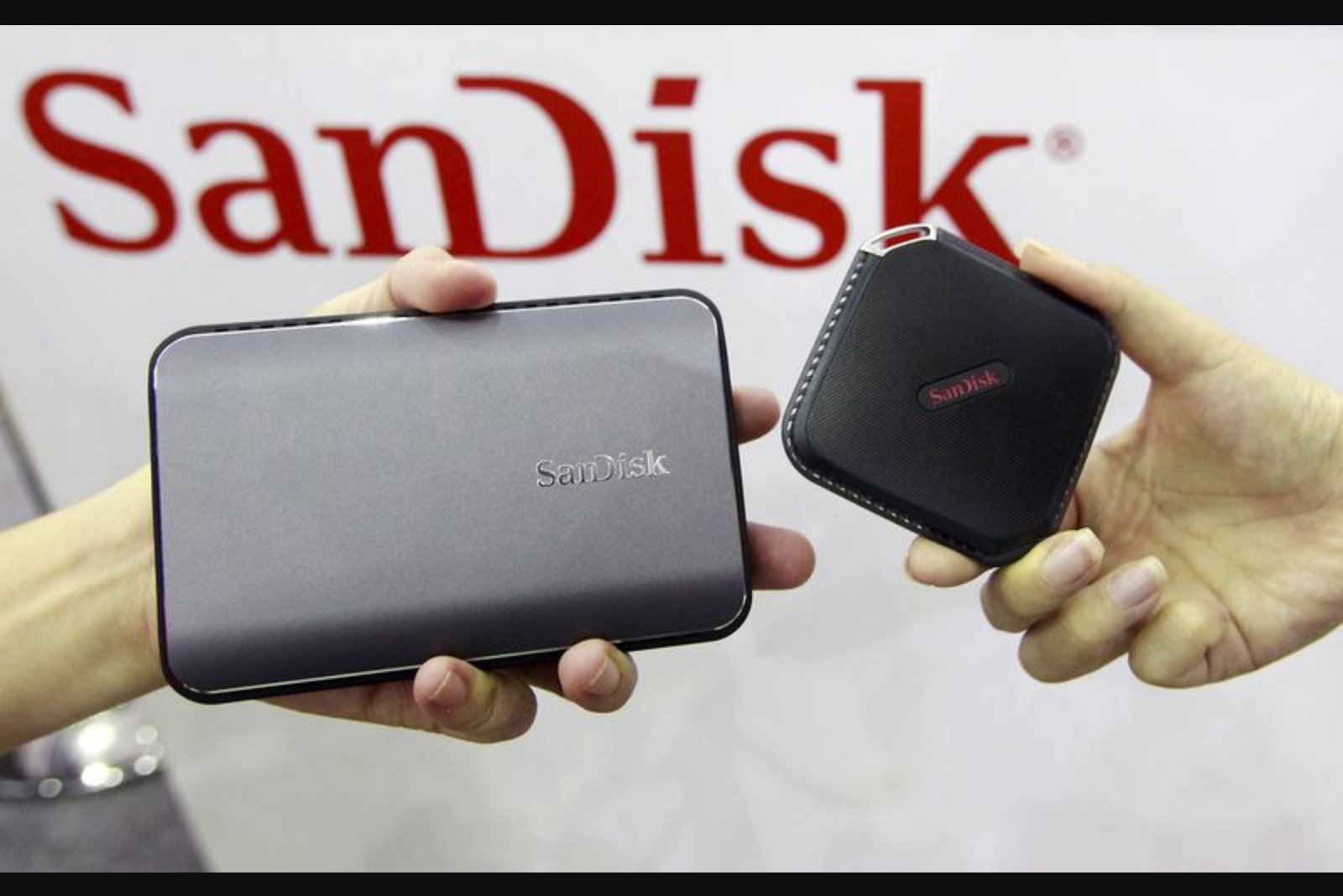
Memory chip maker Sandisk delivered a far stronger quarter than many analysts anticipated, reporting sharply higher revenue and profit and laying out measures it says will help smooth the sector’s volatile pricing. The company also authorized a $6 billion share buyback and disclosed several long-term customer agreements it hopes will insulate it from extreme swings in memory prices.
Quarterly results and guidance
For the quarter ended April 3, Sandisk said revenue more than tripled to $5.95 billion, well ahead of the LSEG consensus estimate of $4.70 billion. Adjusted earnings rose to $23.41 per share, compared with an expected $14.50 per share, and marked a stark reversal from the same quarter a year earlier when the company reported a loss of $0.30 per share.
Looking ahead, Sandisk gave guidance for the current quarter of $7.75 billion to $8.25 billion in sales and adjusted earnings of $30 to $33 per share, both figures that exceed LSEG estimates of $6.49 billion in revenue and $22.70 in adjusted earnings per share.
Long-term contracts and contract structure
Chief Executive David Goeckeler said the company has signed five long-term supply agreements with customers, with durations ranging from one to five years. Three agreements signed during the company’s third quarter ended April 3 were worth $42 billion in aggregate, while the remaining two were executed in the current quarter, he said.
Goeckeler acknowledged investor skepticism about long-term deals in the memory industry, noting prior attempts have faltered when customers renegotiated during periods of weak demand. He said Sandisk sought to avoid those outcomes by embedding various contractual safeguards - including price ceilings and floors, market-demand adjustments, and clauses that prevent customers from walking away without financial consequences. "Consistency is very important to me," Goeckeler said. "We put a financial structure in place that says at the beginning of the contract, if you make a financial commitment to me as the customer, if you walk away from a contract, I get that money."
Market context and business drivers
Sandisk’s principal product, NAND flash storage, has seen surging demand as artificial intelligence systems increasingly process large legal documents and code bases. That shift has made NAND a later beneficiary of the AI boom, boosting sales at a time when the product class previously was not used as extensively in AI data centers.
At the same time, NAND has historically experienced dramatic price cycles similar to DRAM memory, with steep swings as demand fluctuates. Sandisk’s contracts and financial protections are positioned as tools to counter those boom-bust dynamics.
Shareholder actions and stock reaction
The company said the buyback authorization is effective immediately and carries no expiration date. Sandisk’s shares have climbed more than 360% so far this year. On the day the results were released, the stock was up about 3% during regular trading hours, rose roughly 1% immediately after the results in after-hours trading, and then moved to a decline of about 6% later in the after-hours session.
Additional note
The company’s recent quarter reflects a marked turnaround from a year earlier when NAND demand from AI workloads was weaker. Management’s combination of robust near-term guidance, multi-year customer commitments, and a sizable buyback program signals an aggressive stance to capitalize on elevated demand while attempting to mitigate long-term price volatility in the memory market.