
Overview
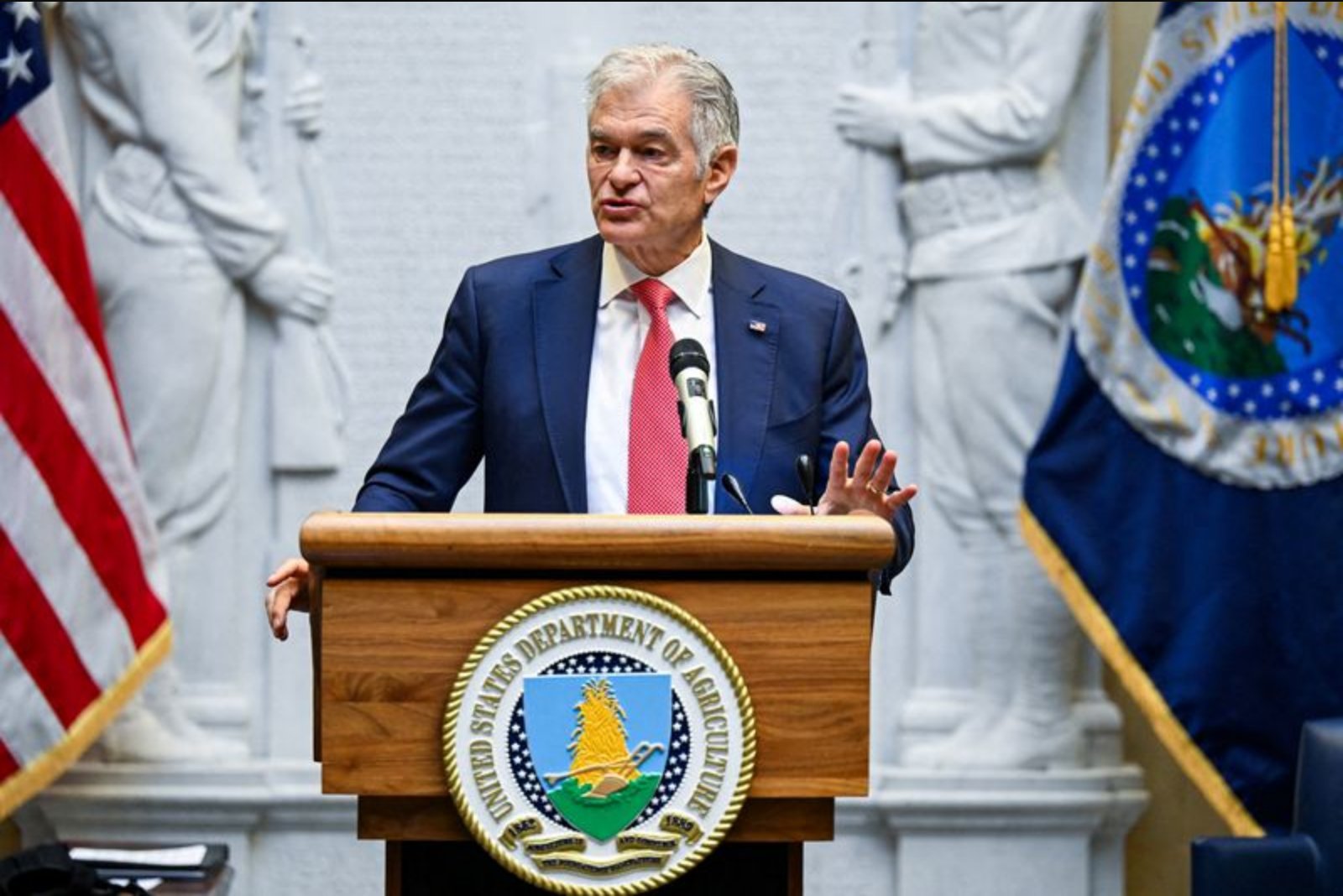
Medicare Advantage members should anticipate cuts to popular add-on services in 2027 as major plan sponsors reassess benefit packages in light of a modest payment increase from the federal government. Earlier this month the Centers for Medicare & Medicaid Services signaled an average increase of 2.48% to 2027 payments for insurers that manage Medicare Advantage plans for people 65 and older and individuals with disabilities. At the same time, CMS leadership under Dr. Mehmet Oz has signaled an objective of reining in federal health plan spending.
Insurer reactions and specific warnings
Industry executives have reacted by saying the finalized rates, although larger than initially proposed, do not fully address their cost pressures. Humana has publicly warned that it will need to reduce supplemental benefits to preserve profitability. Those supplemental services - coverage for vision, dental and hearing care, fitness programs, meal deliveries and transportation assistance - have been a key factor drawing roughly half of the 70 million Medicare beneficiaries into managed care plans instead of the government’s traditional fee-for-service program.
Investors contacted for this piece said trimming benefits or withdrawing from particular regions could help Humana and peers such as UnitedHealth Group’s UnitedHealthcare and CVS Health’s Aetna limit expense exposure. The degree to which each insurer relies on Medicare Advantage varies: Medicare Advantage plans represent approximately 80% of Humana’s revenue, 33% of Aetna’s revenue and 12% of UnitedHealthcare’s revenue.
“All insurers are likely to cut back on benefits, but Humana will be cutting back the most,” said Kevin Gade, chief operating officer at Bahl and Gaynor.
A CVS Health spokesperson described the company’s posture this way: "Aetna continues to offer quality insurance coverage in a manner that is sustainable for our clients and our business." UnitedHealth declined to comment when contacted. On a call with analysts and investors, Humana CEO Jim Rechtin said the company would have to make adjustments to achieve profit targets but would attempt to preserve benefits most important to members. Rechtin said, "We will adjust benefits to remain on track to deliver our 2028 commitment of returning to a sustainable margin of at least 3%."
Bobby Hunter, who runs UnitedHealthcare’s government programs, said earlier in the month that projected funding for its Medicare Advantage business remains below expectations for 2027, but he did not explicitly announce plans to reduce benefits. The trade group AHIP said insurers, as they incorporate recently released policies, will continue to aim to keep coverage and care as affordable as possible.
Market positioning and timing
Analysts note insurers frequently finalize plan designs in June ahead of the open enrollment window. Morningstar analyst Julie Utterback observed that Humana was particularly generous in its 2026 benefit offerings compared with peers and suggested that 2027 changes could simply realign Humana’s offerings with competitors. Based on comments from UnitedHealth, Utterback said benefit modifications by other insurers are possible.
Investor scrutiny will likely emphasize insurers’ quality scores - the so-called "Star" ratings - since those ratings affect bonus payments and profitability. Stephanie Link, chief investment strategist at Hightower Advisors, cautioned that managed care firms with heavy government exposure and middling Star ratings face narrower margins for error; she identified Humana as sitting in that category.
Political and enrollment considerations
Open enrollment for Medicare Advantage begins in October, just before U.S. midterm elections that could reshape control of Congress. Observers point out that increases in out-of-pocket costs or reductions in benefits can provoke voter dissatisfaction, which in turn can become politicized. Susan Reilly, vice president of communications at Better Medicare Alliance, said, "When Medicare Advantage funding doesn’t keep pace with costs, seniors pay the price. We’ve seen it play out year after year." Seniors are a reliably high-turnout voting demographic, which raises the potential for political backlash.
Academic and investment voices also warned of potential surprise and dissatisfaction among beneficiaries. Alex Mills, a professor at Baruch College’s Zicklin School of Business, said beneficiaries may be surprised if out-of-pocket spending rises. Bill Smead, founder and chief investment officer of Smead Capital, said it "would not be shocking if there’s somewhat of a backlash."
Implications for plans and patients
Cutting supplemental benefits has the potential to shift enrollment patterns and encourage higher-cost members to seek alternative coverage options, according to investor commentary. That dynamic would affect plan mix and possibly financial results for carriers that compete on benefit richness. How insurers balance cost containment with member retention and regulatory expectations will shape the 2027 plan landscape.
This article outlines insurer statements, investor views, and analyst perspectives on upcoming benefit changes to Medicare Advantage plans based on the CMS payment update and comments from company executives and industry observers.