
Shares of Ingersoll Rand (IR) declined roughly 4.7% to $77.40 on Wednesday following the company's issuance of a subdued full-year earnings outlook that management attributed to tariff pressures on key inputs.
The company set its full-year adjusted earnings-per-share guidance in a $3.45 to $3.57 range. That midpoint sits close to the analysts' estimate of $3.52, but the tone of the guidance was cautious enough to weigh on the stock.
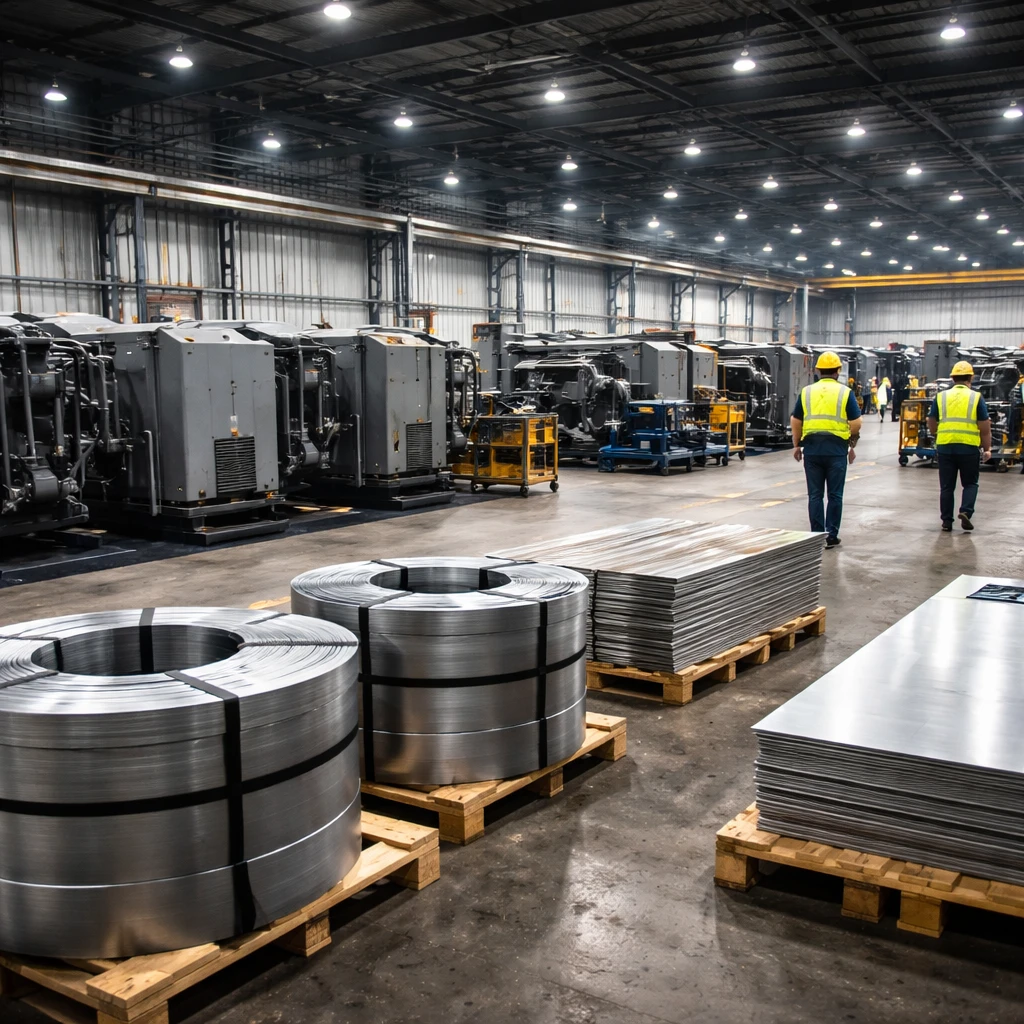
Management specifically pointed to import tariffs on important raw materials - including steel and aluminum - as a factor prompting businesses to reassess strategies. The company indicated those tariff-related cost pressures were a primary contributor to its more conservative profit outlook.
The weaker outlook came even after Ingersoll Rand reported a first-quarter adjusted profit that exceeded expectations. The company posted adjusted earnings of $0.77 per share, compared with a consensus estimate of $0.74. Despite the earnings beat, Ingersoll Rand's adjusted core profit margin contracted to 25.4% from 26.8% in the same quarter a year earlier.
The combination of compressed margins and the tariff-influenced guidance appears to have driven investor caution. While the first-quarter results showed resilience relative to consensus estimates, the company signaled that external cost pressures tied to tariffs remain a material consideration for its full-year profitability profile.
Context and implications
- Guidance: Full-year adjusted EPS pegged between $3.45 and $3.57 versus an analysts' estimate of $3.52.
- Quarterly results: Q1 adjusted EPS of $0.77 topped the $0.74 estimate, even as adjusted core margin slipped to 25.4% from 26.8% year-over-year.
- Cost pressures: Import tariffs on materials such as steel and aluminum were cited as a reason for companies to rethink strategies - a dynamic the firm said influenced its outlook.
Bottom line
Ingersoll Rand's market reaction reflected investor sensitivity to guidance that emphasizes ongoing tariff-driven cost risk. The first-quarter beat provided some support, but the decline in adjusted core profit margin and the tariff-related caution around full-year earnings weighed on sentiment and the stock price.