
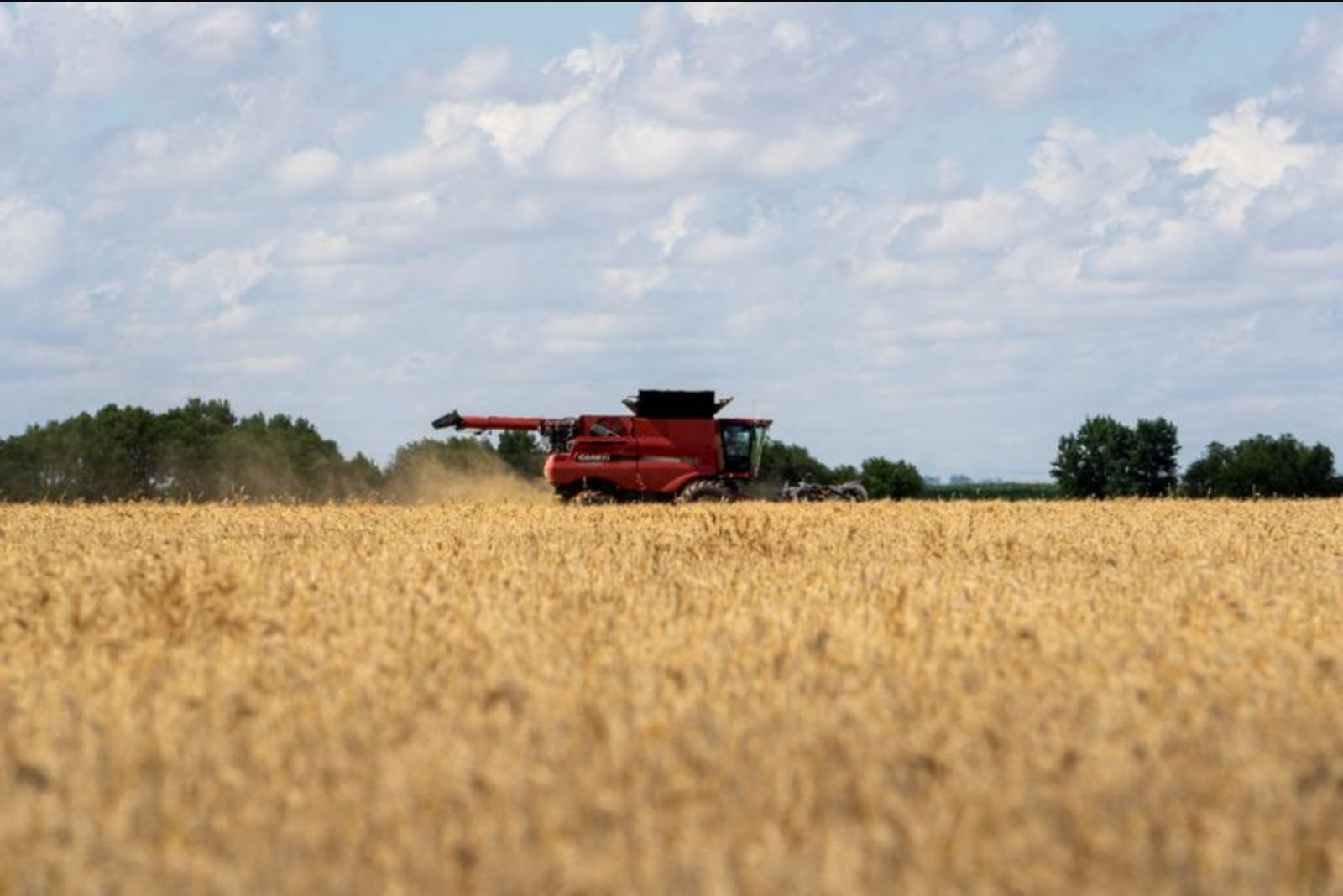
WASHINGTON - The U.S. House of Representatives on Thursday approved its take on a five-year farm bill after lawmakers stripped out language that would have curtailed some legal claims against pesticide manufacturers. The move came after sustained lobbying from activists aligned with the Make America Healthy Again movement, which opposed the liability shield.
The bill, which funds a broad array of agricultural programs and food assistance, cleared the House by a 224-200 margin, with Republicans picking up 14 Democratic votes. Passage represents forward motion for legislation that has been stalled since the previous farm bill lapsed in 2023; it must still pass the Senate and be reconciled before reaching the President.
House Agriculture Committee Chairman Glenn 'GT' Thompson said in a statement that the measure fills a policy gap for rural communities, noting, "It is clearer every day that farm country needs updated policy that reflects current challenges, and the 2026 farm bill fills that gap." Senate Agriculture Committee Chairman John Boozman said he would release the Senate's draft text in the coming weeks.
Policy continuity and changes
The House version largely retains the structure of the prior law while incorporating some changes. Among the more consequential continuations is the retention of cuts to the Supplemental Nutrition Assistance Program (SNAP) that were enacted last year as part of President Trump's tax and spending package - identified in the bill as $187 billion in SNAP reductions.
Farm groups generally responded positively to the bill's passage. Many industry representatives argued the measure could offer steadiness at a time when producers face elevated input prices. "Important updates to research and conservation, as well as increased loan limits and clarity on interstate commerce, will help farmers survive today’s challenges and give them the tools to thrive in the future," said American Farm Bureau Federation President Zippy Duvall.
Yet several Democrats criticized the bill for not doing enough to address mounting pressures on producers. "The so-called farm bill that passed the House today does nothing to resolve high input costs, lost markets, surging food prices or provide a single penny in economic assistance to struggling family farmers," said Rep. Angie Craig, the top Democrat on the House Agriculture Committee.
Pesticide liability provision removed after MAHA opposition
A provision that would have limited certain lawsuits against pesticide companies was dropped from the House bill after MAHA activists mounted an aggressive campaign opposing it. MAHA, which backs Health Secretary Robert F. Kennedy Jr., has been vocal in opposing the use of pesticides on food crops. Hundreds of MAHA supporters rallied at the Supreme Court earlier in the week while Bayer sought to argue to end thousands of pending lawsuits alleging its Roundup weedkiller causes cancer.
An amendment related to removing the liability shield passed on a separate vote, carried 280-142 with bipartisan support. In response, Elizabeth Burns-Thompson, executive director of the Bayer-backed Modern Ag Alliance, criticized lawmakers, saying, "Lawmakers caved to anti-science MAHA activists instead of standing with those who grow our food."
The article included market data for Bayer's international ticker - BAYGN - showing a quoted level of 38.05, up 1.60, or 4.39% at the time the data was captured.
Other notable provisions and next steps
The House bill did not adopt a Republican-backed measure to allow year-round sales of the higher-ethanol gasoline blend E15. House leaders indicated they plan a separate vote on E15 on May 13.
With the House passage complete, attention shifts to the Senate. Boozman's announcement that the Senate Agriculture Committee will release its version in coming weeks signals the next phase of negotiations. Because the bill has historically attracted bipartisan support and covers a wide array of policy areas - from commodity support to nutrition programs - differences between the chambers on cuts, program design and rider provisions are likely to dominate the coming debate.
Context for stakeholders
- Farmers and farm lenders are watching closely for the bill's research, conservation and loan provisions, which proponents say provide support as input costs remain elevated due to global tensions such as the U.S. war in Iran.
- Anti-hunger organizations object to the legislation's retention of SNAP cuts enacted last year and have criticized lawmakers for leaving those reductions in place.
- Agrochemical manufacturers and agricultural trade groups are engaged in both the policy discussion and related litigation, particularly around claims tied to herbicide safety.
As the House and Senate craft their versions, stakeholders across agriculture, food assistance programs and agrochemical markets will monitor the process for changes that could affect cost structures, program eligibility and legal exposure.