
Shares of FedEx (NYSE:FDX) and United Parcel Service (NYSE:UPS) fell by more than 5% on Monday following an announcement from Amazon.com (NASDAQ:AMZN) that it will make parts of its logistics infrastructure available to other businesses under a new program called "Amazon Supply Chain Services."
The service enables companies of various sizes to move, store and deliver goods using Amazon’s existing supply-chain capabilities. Components of the offering include freight, distribution, fulfillment and parcel shipping, all run on Amazon’s transport network.
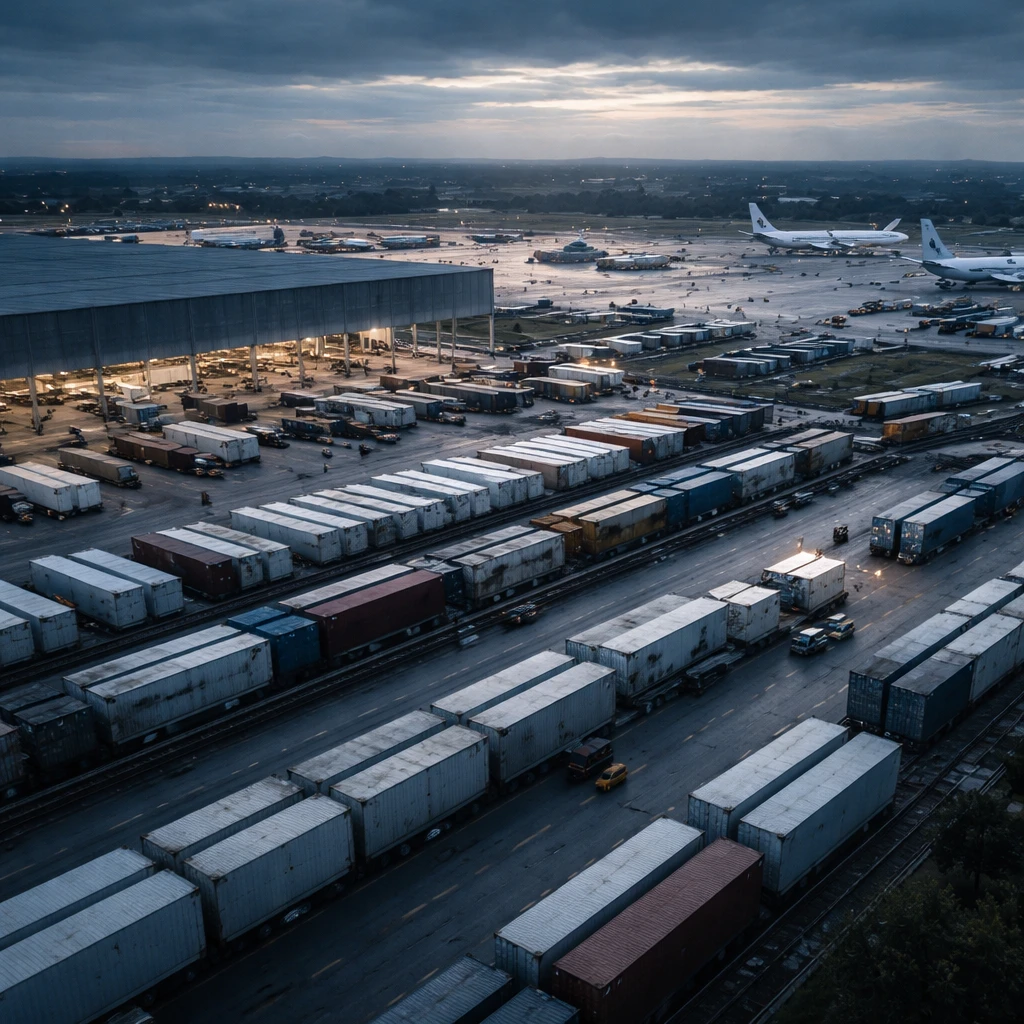
Amazon said the logistics resources available through the service span ocean, air, ground and rail freight. The company highlighted the scale of the network by noting access to more than 80,000 trailers, 24,000 intermodal containers and over 100 aircraft.
Among the initial customers listed for the program are Procter & Gamble (NYSE:PG), 3M (NYSE:MMM) and American Eagle Outfitters (NYSE:AEO), which Amazon named as early adopters of the supply-chain offering.
By opening its logistics operations beyond its own e-commerce needs, Amazon moves into a broader business-to-business role in the logistics market. The company’s decision positions it to compete directly with established parcel and freight carriers such as FedEx and UPS for third-party contracts and commercial shipping work.
Summary
Amazon has launched Amazon Supply Chain Services, a program allowing outside businesses to use its freight, warehousing, fulfillment and parcel-shipping capabilities. The announcement coincided with a more than 5% decline in FedEx and UPS shares on Monday. The service provides access to Amazon’s transport network across ocean, air, ground and rail, supported by a fleet that includes over 80,000 trailers, 24,000 intermodal containers and more than 100 aircraft. Procter & Gamble, 3M and American Eagle Outfitters were named as among the first customers.
Key points
- FedEx and UPS shares dropped more than 5% following Amazon's announcement, reflecting market concerns about increased competition in logistics.
- Amazon Supply Chain Services offers freight, distribution, fulfillment and parcel shipping to external businesses, extending Amazon's logistics footprint into the B2B market.
- The offering draws on a substantial transportation and equipment base, including ocean, air, ground and rail capacity and a large fleet of trailers, intermodal containers and aircraft.
Risks and uncertainties
- Market reaction to the announcement may signal ongoing pressure on publicly traded carriers, particularly those focused on parcel and freight services.
- The scope and uptake of Amazon's logistics service by third parties remains uncertain beyond the initial customers named.
- Potential competitive responses from established logistics providers and subsequent moves by Amazon could create volatility in related shipping and transportation stocks.
Given the information available, the full commercial and operational implications of Amazon's new offering remain to be seen.