
Stock Markets April 30, 2026 09:54 AM

FDA Seeks to Bar Key Weight-Loss Drug Ingredients from Compounding by Outsourcing Facilities

Proposal would prevent compounding of semaglutide, tirzepatide and liraglutide from bulk drug substances except in declared shortages

By Hana Yamamoto LLY NVO
FDA Seeks to Bar Key Weight-Loss Drug Ingredients from Compounding by Outsourcing Facilities
LLY NVO

On April 30 the U.S. Food and Drug Administration proposed removing certain active ingredients used in popular GLP-1 weight-loss drugs from the list of bulk substances that outsourcing facilities may use for compounding. The agency said it found no clinical need for outsourcing facilities to compound semaglutide, tirzepatide or liraglutide from bulk drug substances. If the rule is finalized, compounding of these medicines would be restricted unless the drugs appear on the FDA's drug shortage list.

Key Points

  • FDA proposed excluding semaglutide, tirzepatide and liraglutide as bulk substances outsourcing facilities can use for compounding - impacts pharmaceutical manufacturing and compounding pharmacies.
  • If finalized, compounding of these medicines from bulk drug substances would be restricted unless the medicines appear on the FDA's drug shortage list - relevant to drug supply and hospital/clinic procurement.
  • The agency said it found no clinical need for outsourcing facilities to compound these molecules when FDA-approved products are available - a regulatory assessment that affects biotech and drug distribution channels.

April 30 - The U.S. Food and Drug Administration on Thursday put forward a proposal to exclude specific active ingredients used in prominent weight-loss medicines from the roster of bulk drug substances that registered outsourcing facilities may employ for compounding.

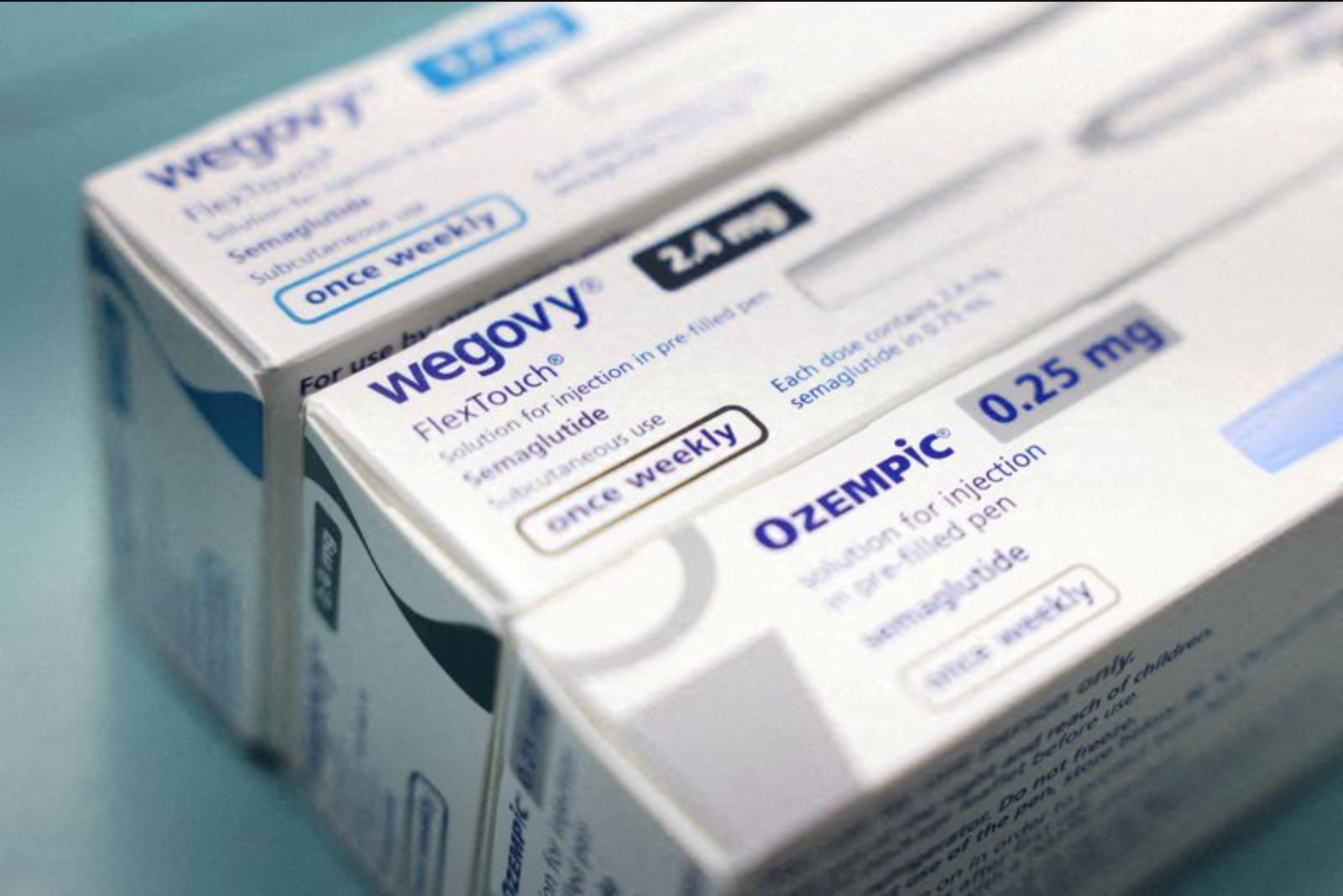
Under the proposed action, the active ingredient semaglutide - the molecule behind Novo Nordisk's Wegovy and Ozempic - along with tirzepatide, marketed by Eli Lilly as Zepbound and Mounjaro, would be removed from the list. The measure also names liraglutide, an older Novo Nordisk molecule, for exclusion.

The FDA said its review did not identify a clinical need for outsourcing facilities to compound these therapies from bulk drug substances. The agency noted that, if finalized, the exclusion would effectively restrict compounding of the listed medicines unless they appear on the FDA's drug shortage list.

FDA Commissioner Marty Makary was quoted by the agency underscoring the legal boundary on compounding: "When FDA-approved drugs are available, outsourcing facilities cannot lawfully compound using bulk drug substances unless there is a clear clinical need."

The proposal comes as market data in the article noted positive moves in the shares of the companies connected to these medicines, with Eli Lilly showing a gain of 7.62% and Novo Nordisk showing a gain of 5.27% in the referenced trading snapshot.

The proposal directly affects outsourcing facilities that compound drugs using bulk drug substances, and it centers on whether a clear clinical need exists for compounding when FDA-approved products are accessible. If the proposal advances to a final rule, compounding of semaglutide, tirzepatide and liraglutide from bulk sources would be permitted only under the limited exception tied to inclusion on the FDA's drug shortage list.


Context limitations: The agency's statement in the proposal indicates no clinical need was identified but does not provide additional operational details about how the exclusion would be implemented or timelines for finalization. The article reflects only the information provided in the agency announcement and the trading figures reported in the referenced snapshot.

Risks

  • Finalization uncertainty - the proposal would only limit compounding if it becomes a final rule, leaving short-term regulatory outcomes unclear for outsourcing facilities and suppliers.
  • Potential constrained compounding capacity - if the exclusion is finalized and the drugs are not placed on the FDA's shortage list, compounding options from bulk substances could be limited, affecting compounding pharmacies and health systems that rely on such services.
  • Market sensitivity - share movements noted for companies associated with these medicines may reflect market responses, but the article does not link the proposal to specific future market behavior.

More from Stock Markets

U.S. Futures Largely Flat as Hormuz Clashes and Oil Spike Temper Appetite May 4, 2026 Regis and Vault agree all-share merger to form A$10.7 billion gold producer May 4, 2026 Brockman Reveals Near-$30 Billion OpenAI Stake and Financial Links to Altman During Musk Trial May 4, 2026 California Launches Probe into Federal Deal That Scrapped Central Coast Offshore Wind Project May 4, 2026 Pilots Union Praises Kirby’s Merger Vision, Stops Short of Endorsing Deal May 4, 2026