
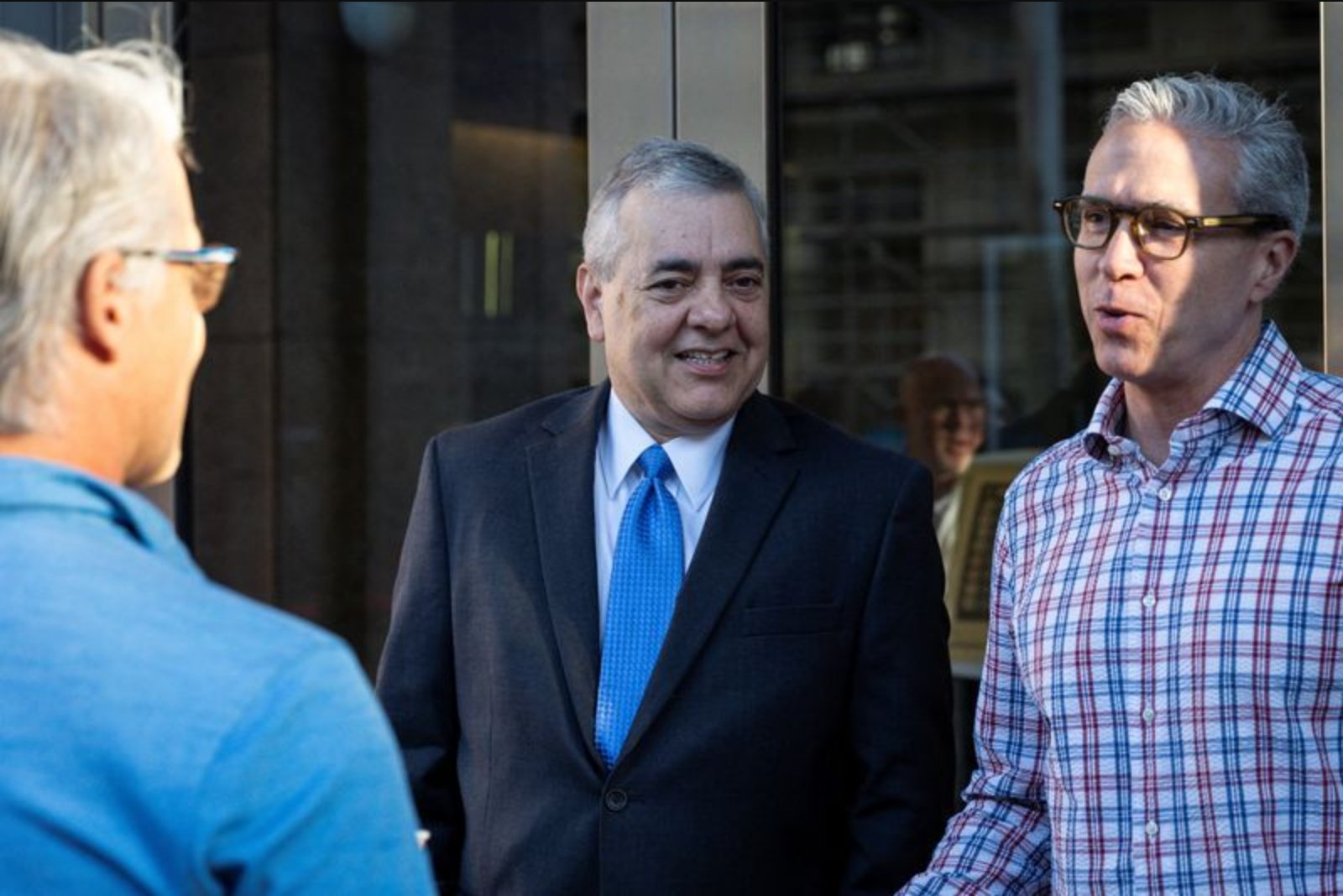
A federal jury on Friday convicted former U.S. Congressman David Rivera of illegally lobbying U.S. officials in an effort to reduce pressure on the government of ousted Venezuelan President Nicolas Maduro. The verdict concluded a six-week trial held in federal court in Miami.
Prosecutors told the court that Rivera acted on behalf of Venezuela’s government in 2017 without registering as a foreign agent as required by the Foreign Agents Registration Act. According to the government’s case, Rivera received $20 million from the U.S. subsidiary of a Venezuelan state-owned company for his work.
Rivera, a Republican who served in the U.S. House of Representatives representing southern Florida from 2011 to 2013, pleaded not guilty. His defense team argued that his efforts were aimed at helping Venezuela’s opposition remove Maduro from power rather than benefiting Maduro’s government.
At trial, testimony included statements from Marco Rubio. Prosecutors emphasized that Rivera did not disclose to Rubio that he had a contract with Citgo, the U.S. subsidiary of Petroleos de Venezuela, when the two met in 2017. Rubio, who was a U.S. senator at the time of that meeting, testified about his impression of the encounter. When asked by a prosecutor how he would have reacted if he had known Rivera was working with Maduro’s government, Rubio said, "It would have been shocking to me."
Rivera’s attorney did not immediately respond to a request for comment following the verdict. The defense maintained that Rivera’s activity was intended to assist opposition elements in Venezuela rather than to serve the Maduro government’s interests.
The criminal case focused on whether Rivera’s actions required registration under the Foreign Agents Registration Act and on the payments he received that prosecutors say tied him to the Venezuelan government through its U.S. corporate affiliate.
Trial highlights
- The trial in federal court in Miami lasted six weeks.
- Prosecutors say Rivera lobbied U.S. officials in 2017 on behalf of Venezuela’s government without filing the required FARA registration.
- Rivera was paid $20 million by the U.S. subsidiary of a Venezuelan state-owned company, according to prosecutors.
Defense position
- Rivera pleaded not guilty and his lawyers contended he was working to help Venezuela’s opposition remove Maduro rather than to benefit Maduro’s government.
- Rivera’s lawyer did not immediately reply to requests for comment after the verdict.