
Cerebras Systems opened trading on Nasdaq on Thursday at $350 a share, a jump of 89% over its initial public offering price of $185 per share, pushing the company's market value to roughly $100 billion.
The company set its IPO price on Wednesday at $185 for 30 million shares of Class A common stock, raising $5.55 billion. That final pricing followed earlier terms that called for 28 million shares at $115 to $125 each; those terms were later revised to a range of $150 to $160 before the ultimate price was set at $185.
On a fully diluted basis, the $185 price implies a valuation in excess of $56 billion, which is more than double the approximately $23 billion private valuation Cerebras held in February.
Underwriting sources indicated institutional demand significantly outpaced the shares available. Orders from institutions reportedly exceeded the supply by more than 20 times, a dynamic that led the company to expand both its price range and the number of shares offered twice during the roadshow.
This public offering represents Cerebras' second attempt to list. The firm initially filed to go public in 2024 but later withdrew that filing after a partnership with UAE-based AI firm G42 - a customer that accounted for more than 80% of Cerebras' revenue in the first half of the year - prompted a national security review by the Committee on Foreign Investment in the United States. The committee ultimately cleared the arrangement, allowing the company to proceed with the later offering.
According to a report earlier this week, Arm Holdings and SoftBank Group Corp. made a last-minute acquisition offer for Cerebras, which the company declined.
The IPO syndicate was led by Morgan Stanley, Citigroup, Barclays, and UBS Investment Bank. Mizuho and TD Cowen acted as bookrunners, while a group of co-managers included Needham & Company, Craig-Hallum, Wedbush Securities, Rosenblatt, Academy Securities, Credit Agricole CIB, MUFG, and First Citizens Capital Securities.
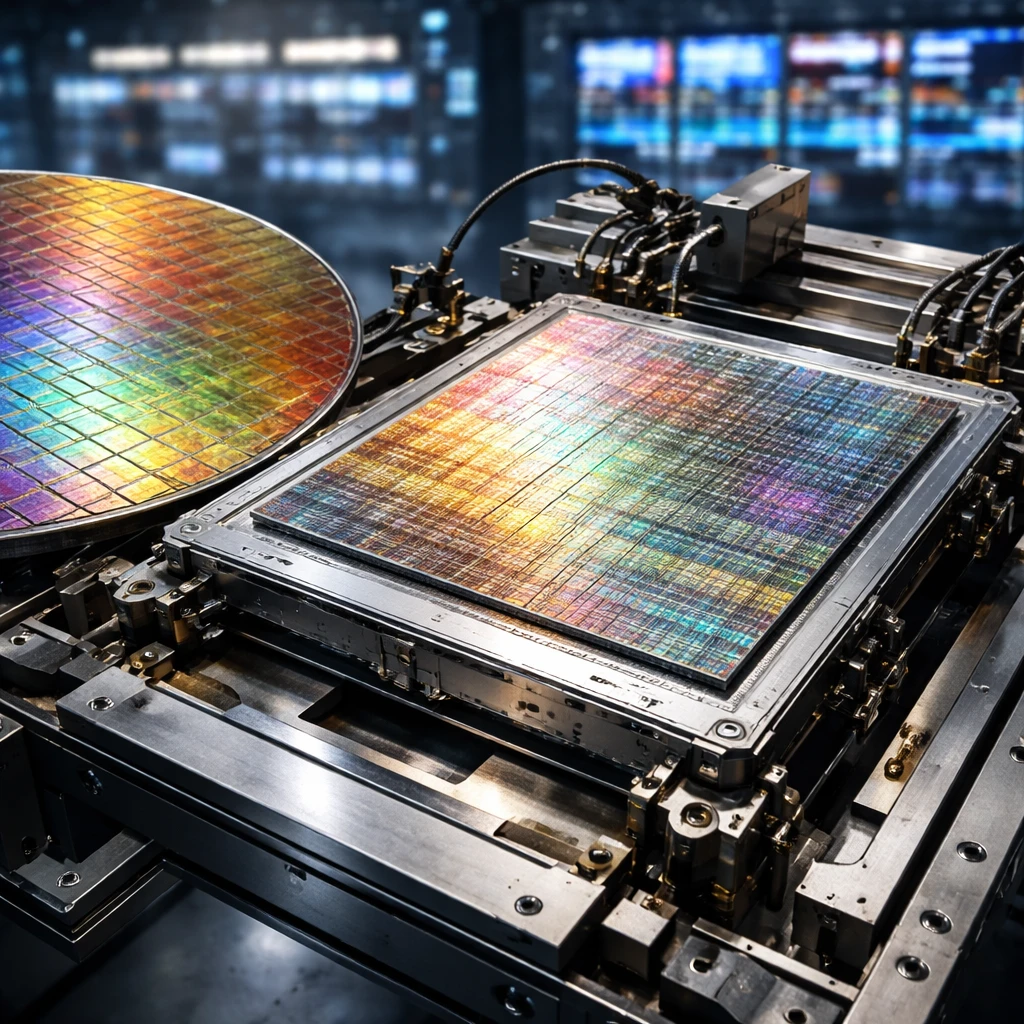
Cerebras develops AI processing hardware, including its Wafer-Scale Engine 3 processor. The company states the processor is 58 times larger than leading GPU chips and can deliver inference performance up to 15 times faster than GPU-based solutions on open-source models.
Market context and supply-demand dynamics
The final structure of the offering - an increase in both price and share count during the roadshow - reflected stronger-than-expected institutional appetite. The size of the allocation and the degree to which orders exceeded available shares were key operational features of the deal process.
Company positioning
Cerebras is positioning its Wafer-Scale Engine 3 as a large-scale alternative to conventional GPUs, citing both die size and inference-speed advantages on open-source workloads. The company reported a concentration of revenue in the first half of the year tied to its relationship with a single substantial customer, which had regulatory implications during the earlier listing attempt.
Financing outcome
The $5.55 billion raised from the 30 million Class A shares reflects the market's willingness to provide substantial capital in exchange for public equity, while the fully diluted valuation metrics highlight how private valuations shifted since February.