
The private-club segment for affluent consumers is seeing a notable uptick in dealmaking, driven by stronger membership demand since the pandemic and the premium wealthy clients place on privacy and experiences. This trend is encapsulated by Apollo Global Management’s recent sale of Invited Clubs, the largest private country-club operator in North America, to KSL Capital Partners in a transaction valued at about $3 billion including debt.
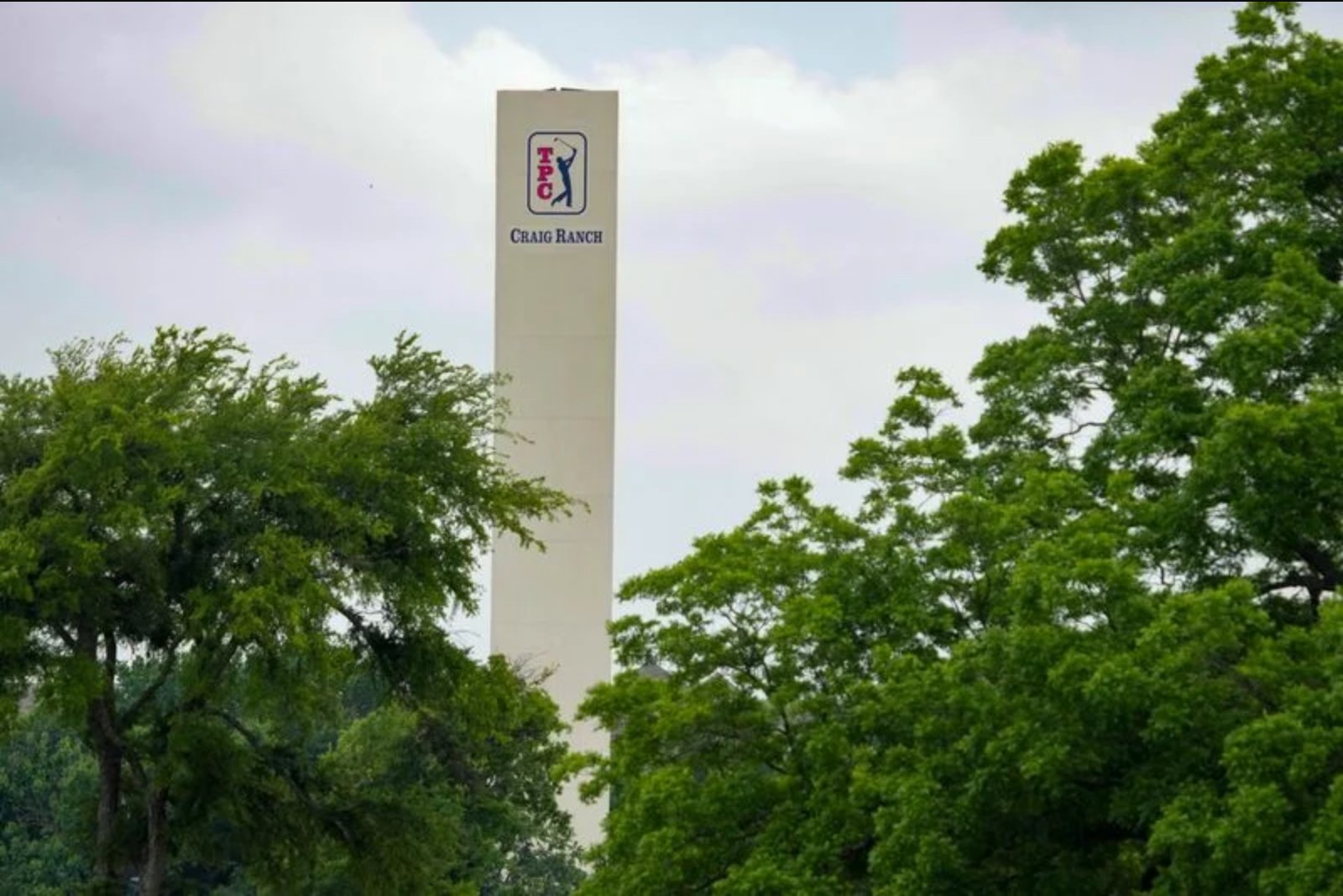
Invited Clubs manages marquee properties such as Firestone Country Club in Akron, Ohio, and TPC Craig Ranch in McKinney, Texas. The company operates over 150 properties and maintains roughly 140,000 memberships, for which the average net worth is about $3 million, according to a source familiar with the company. Those figures underscore why operators of private-member clubs can command high valuations.
Daniel Cohen, a partner at Apollo, described shifting consumer priorities since the pandemic, noting an increased focus on experiences. "Post-COVID, there is obviously just a lot more focus on this FOMO or YOLO mentality, the shift of spending money on experiences more than things is never more prevalent than your country club membership for your entire family," he said, referencing the "fear of missing out" and "you only live once" mentality.
The premium attached to private memberships is not limited to recurring dues. Many clubs charge initiation fees that can reach six figures, reflecting that members often value privacy and exclusivity as much as on-site amenities. That combination of high-touch service, membership stickiness and wealthy household profiles supports recurring revenue streams that can be resilient through economic cycles.
Deal activity in this segment has climbed to its highest level in at least a decade by the size of transactions, as buyers and sellers reconcile stronger operating performance with rich buyer interest. Recent comparable transactions include Soho House’s privatization in a $2.7 billion deal led by investors including MCR Hotels and Apollo, Concert Golf’s acquisition by Bain Capital for more than $1.3 billion including debt, and KKR’s reported exploration of a sale of The Bay Club Company, a West Coast chain of membership clubs.
Topgolf and similar concepts have also broadened golf’s customer base. Topgolf was valued at about $1.1 billion after a majority stake purchase by Leonard Green & Partners this year, helping introduce younger players to the sport. Consumer spending patterns corroborate the shift to experience spending: aggregated debit and credit card data from Bank of America indicate players spent 37% more at golf courses last year compared with pre-pandemic averages, a gain larger than most other leisure categories.
Apollo has owned Invited Clubs since taking the company private in 2017, when the enterprise was valued at $2.2 billion including debt. The firm boosted operating performance under its ownership, and Invited’s annual operating earnings more than doubled to over $350 million, excluding divested clubs and businesses, according to a source familiar with the company.
Before Apollo’s ownership, KSL had previously owned the group when it was known as ClubCorp. KSL acquired the company for $1.8 billion and held it from 2006 to 2013, later taking it public seven years after its 2006 purchase. In an uncommon turn, KSL has re-entered as buyer.
Invited’s operational resilience during the pandemic helped underpin its value. The company had to cancel weddings and other large events early on, but memberships proved sticky, providing a reliable recurring income base. Cohen emphasized that for many members, the club is a central social hub. He noted that membership numbers did not collapse even in markets under economic stress; for example, memberships at Invited’s Texas clubs remained robust during oil-market weakness in the mid-2010s.
The company adapted to pandemic-era behavior by pivoting to outdoor activities. Invited converted some tennis courts to pickleball courts and purchased hundreds of outdoor heaters in March 2020. By the following fall, clubs were able to reopen and support outdoor programming despite the ongoing presence of the virus, which supported membership retention and even growth. Invited’s golf memberships increased from 2019 to 2021.
Apollo prepared Invited for another public listing late last year but continued to market the asset, ultimately agreeing to sell to KSL. The sale to KSL is the largest private-club transaction announced so far this year and illustrates the premium buyers are willing to pay for scale, affluent membership bases and recurring revenue models.
KSL declined to comment for this article. An Invited Clubs spokesperson said: "As we move forward with KSL Capital Partners, we remain focused on executing our growth strategy, investing in our clubs and member experience, and creating long-term value for our members, employees, and communities."
Analysis
The transaction highlights several structural dynamics relevant to financial and leisure-market participants. First, recurring membership revenue at private clubs produces a predictable cash flow profile that can withstand episodic shocks. Second, the demographic and behavioral shifts toward experience-oriented spending have lifted demand across leisure categories, supporting higher valuations for operators that can demonstrate growth and strong member economics. Finally, strategic buyers that previously owned assets in the space may be willing to re-enter when the combination of operational momentum and market appetite aligns.
For investors and lenders evaluating companies in this segment, the key metrics to watch include membership counts and composition, initiation fee levels, member average net worth, and operating earnings before and after divestitures. Those metrics drive valuation multiples in transactions where buyer competition and scarcity of high-quality portfolios can push prices upward.
Key points
- Private-club M&A has reached the highest level in at least a decade by deal size as buyers seek scale and wealthy, recurring-revenue member bases.
- Invited Clubs was sold to KSL Capital Partners for roughly $3 billion including debt; the company operates over 150 properties and has about 140,000 memberships with an average net worth around $3 million.
- Experience-driven spending and pandemic-era adaptations, such as increased outdoor programming, have supported membership growth and higher per-member spending, aiding operator earnings.
Sectors impacted - Leisure and hospitality, private equity, consumer discretionary and credit markets tied to membership-backed cash flows.
Risks and uncertainties
- Membership sensitivity to broader economic conditions - While memberships have proven sticky, macroeconomic stress could still pressure initiation fees or renewal rates, affecting leisure and consumer discretionary sectors.
- Operational disruptions - Events such as pandemics can force cancellations of large gatherings that generate ancillary revenue, impacting club profitability and affecting hospitality and events segments.
- Market appetite and exit timing - Private equity owners may prepare assets for public listings or other exits, but market conditions can limit timing or valuation, affecting capital markets and sponsor returns.