
Hezbollah said on Tuesday it believes Tehran will not finalise a nuclear agreement with Washington unless Israeli forces pull back from territory in southern Lebanon.
The group linked the question of an Israeli withdrawal directly to the next phase of U.S.-Iran talks, which are scheduled to begin after the formal signing of a memorandum of understanding between Iran and the United States this coming Friday. Those upcoming discussions are slated to address contentious topics including the future of Iran's nuclear programme.
Hezbollah's media office said it understood Iran would demand an Israeli withdrawal as part of the agenda for those talks. The office published a direct assessment of the negotiations and stated that an Israeli pullback would be the consequence of those discussions rather than a precondition. The statement made clear the group had been given assurances from Iran that any Israeli breach of the ceasefire in Lebanon would have a bearing on the negotiations that follow the memorandum.
"We believe there will be no nuclear deal between Iran and the United States if Israel does not withdraw," the group said in its media statement, marking the first time it explicitly tied an Israeli withdrawal to the prospects for a nuclear deal.
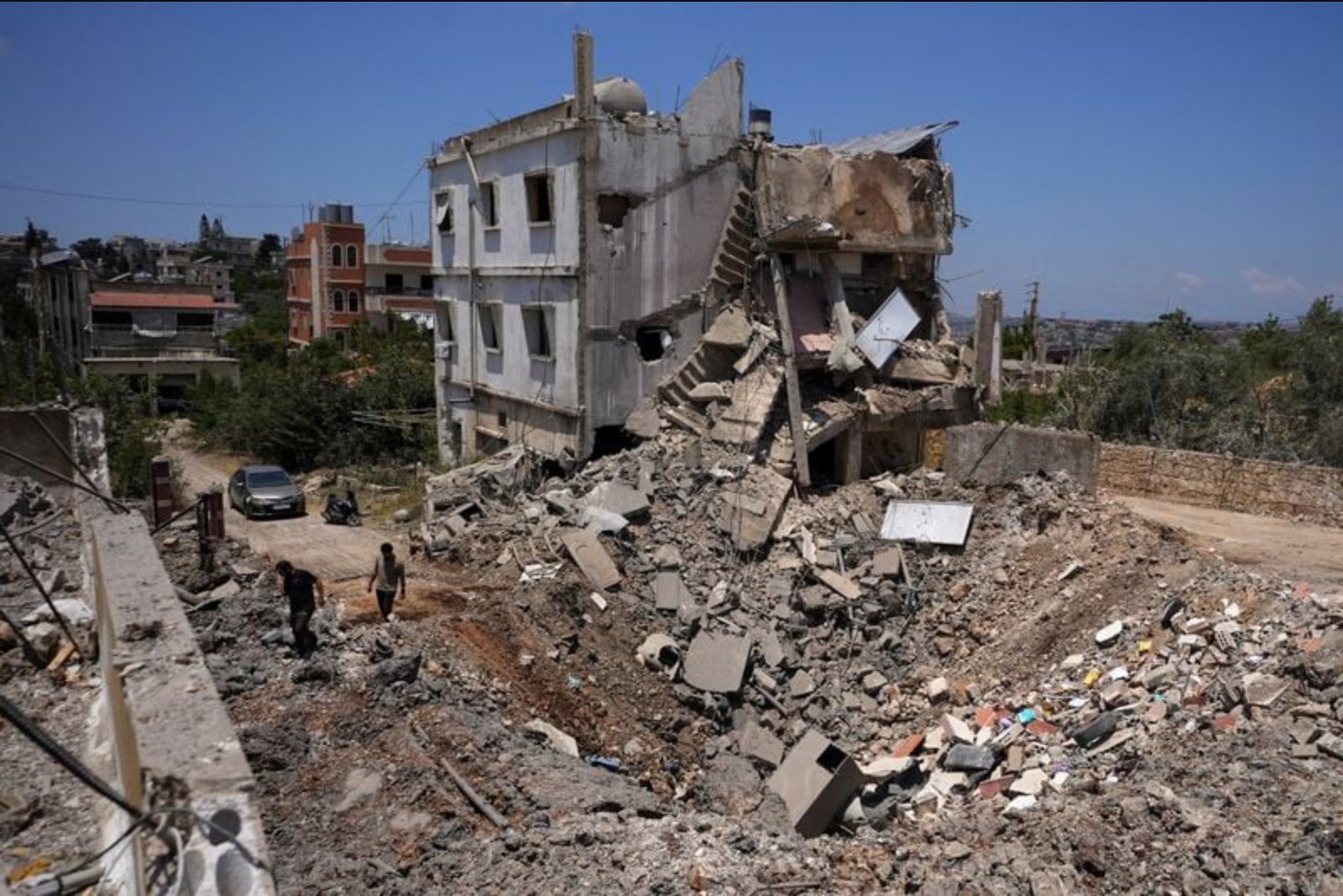
Israel continues to occupy a swathe of southern Lebanese territory that it captured during a three-month air and ground operation. That campaign began after Hezbollah launched strikes toward Israel on March 2 in what it described as support for Tehran. Although the memorandum of understanding between Iran and the United States has coincided with a significant easing of hostilities in Lebanon, clashes have not ceased entirely and Israel has indicated its forces will remain in the south.
Hezbollah has voiced objections to the continued presence of Israeli troops in the area. In parallel comments, Iran's foreign minister Abbas Araqchi said the conclusion of the regional conflict must include an end to hostilities in Lebanon and specifically "the end of the occupation" of Lebanese land.
"Without the withdrawal of Israeli forces from the territories they have occupied in this war, a full end to the war has not been achieved," Araqchi said.
Araqchi added that any Israeli attack on Lebanon or the ongoing occupation of Lebanese land "will, in our view, be considered a violation of the memorandum of understanding."
While the memorandum has reduced the intensity of fighting, the persistence of Israeli troops in southern Lebanon and Hezbollah's linking of withdrawal to Iran-U.S. negotiations underline a continued fragility in the ceasefire dynamics. The coming round of talks will, according to the parties involved, tackle difficult issues including the future path of Iran's nuclear activity, with the question of Lebanese territory now placed among the variables that could influence progress.
Key points
- Hezbollah says Iran will not sign a nuclear deal with the United States if Israel does not withdraw from occupied Lebanese territory.
- Iran's foreign minister stated that continued Israeli occupation or attacks in Lebanon would be deemed a violation of the Iran-U.S. memorandum of understanding.
- Fighting in Lebanon has eased since the memorandum but remains ongoing to some degree; Israeli forces remain in southern Lebanon after a three-month campaign that followed Hezbollah strikes on March 2.
Risks and uncertainties
- Negotiation breakdown - If Iran insists on Israeli withdrawal as a condition or demand, the planned talks addressing Iran's nuclear programme may face additional obstacles. This uncertainty can affect geopolitical risk assessments.
- Continued hostilities - The persistence of Israeli troops in southern Lebanon and incomplete cessation of fighting mean the security situation remains unstable, with potential implications for regional stability.
- Memorandum interpretation - Iran's declaration that continued occupation or attacks would be considered a violation introduces ambiguity about what actions might trigger renewed tensions.