
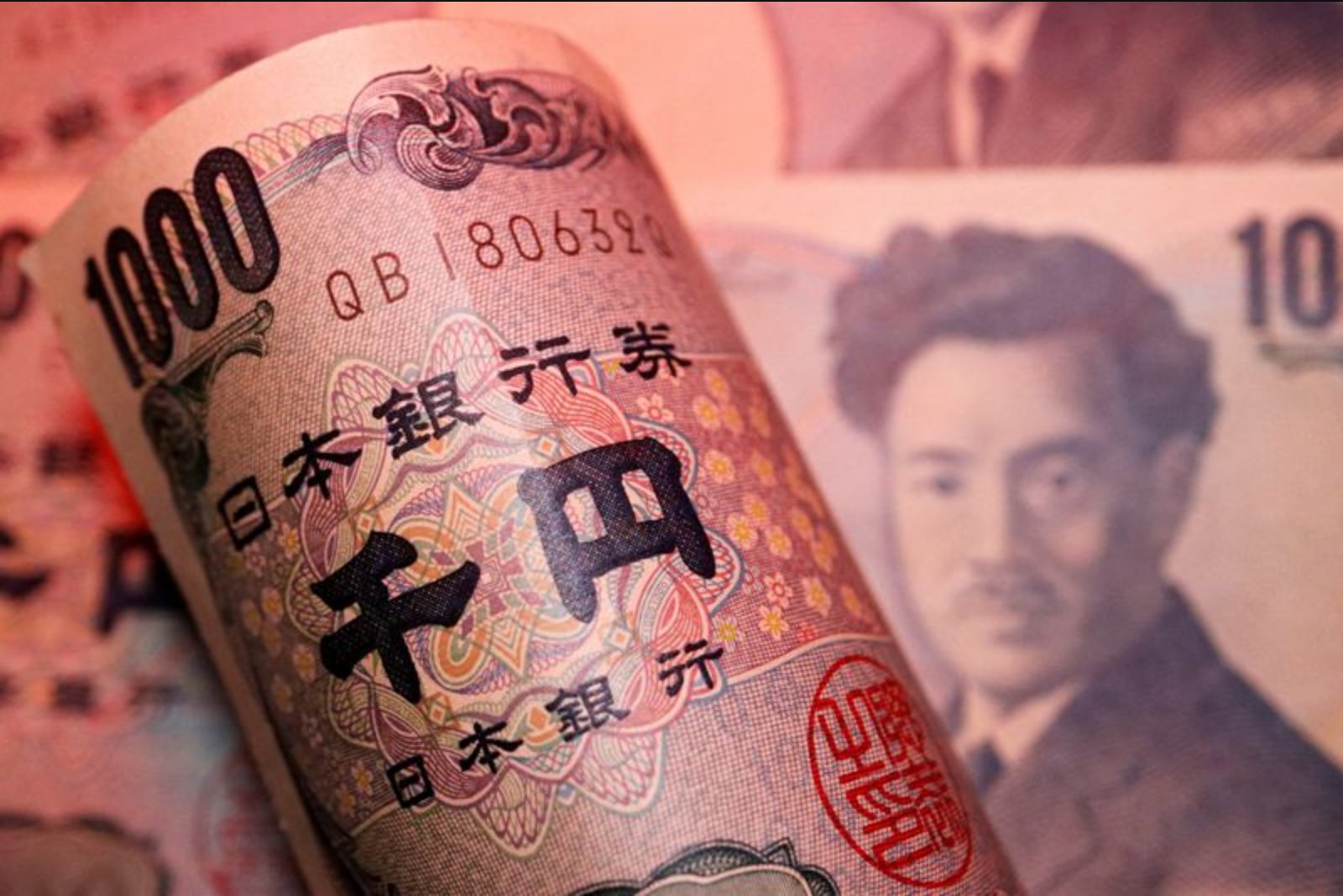
Japan's yen leapt in volatile trading on Friday after senior government officials signalled that Tokyo was prepared to step back into foreign exchange markets, following official buying that had earlier bolstered the currency.
The dollar, which had been steady overnight, slid in London trade - dropping as much as 0.66% to a session low of 155.60 from an earlier 157.12 - as traders debated whether additional intervention might follow the government comments. It was not immediately apparent what triggered the abrupt move on Friday, though market participants said nerves were heightened after earlier action by officials.
Officials' comments and market talk
Atsushi Mimura, Japan's top foreign exchange diplomat, told reporters he would not outline future actions in advance but noted that Japan's Golden Week holidays had just begun - a remark taken by traders as a warning that authorities were watching markets closely during a period of thin liquidity. Mimura also said there had been no change to his view on markets and that Japan remained in "extremely close contact" with the United States, adding that both countries agreed action might be warranted depending on how markets evolved.
The comments followed a warning from Finance Minister Satsuki Katayama on Thursday that "decisive action" was approaching. Katayama urged reporters to keep their smartphones at hand over the holidays, a pointed signal of the authorities' readiness to act and an attempt to deter speculators from exploiting low liquidity to push the yen lower.
Official buying and confirmed market intervention
Hours after the warnings, Japan intervened in currency markets to support the yen, its first official currency intervention in nearly two years, two sources familiar with the matter said. The reported intervention initially sent the yen up by as much as 3% before it trimmed some of those gains. After surging to around 155.5 per dollar following the intervention, the yen later stood at 156.99 - still above the 160 level widely regarded by market watchers as the authorities' line in the sand for intervention.
Mimura declined to comment on whether Tokyo had intervened on Thursday when directly asked.
Market conditions and reactions
Analysts highlighted the fragile state of dollar/yen trading given thin liquidity and elevated nerves following official actions earlier in the week. "Liquidity is thin and people are nervous after yesterday so there is a susceptibility to volatility in the dollar/yen," said Jeremy Stretch, head of G10 FX strategy at CIBC Capital Markets. He added that every time a substantial move in the yen occurs "there will be questioning about what is driving this given the warnings we have had."
Signs of caution also surfaced in the options market, where the cost of protection against large swings in the yen over the coming week approached its highest level in a month, according to LSEG data. That pricing reflected traders buying insurance against sharp moves as the holiday period approaches.
Weekly figures from a U.S. market regulator show speculators hold the largest bearish position in the yen since July 2024, amounting to nearly $7.5 billion - a positioning that market participants say can amplify moves when liquidity is thin.
Policy backdrop and drivers
Market participants pointed to a combination of factors keeping the yen under pressure, notably wide interest rate differentials between the United States and Japan and the slow pace of policy tightening by the Bank of Japan. Even after hawkish-sounding signals from the BOJ earlier in the week failed to deliver sustained support for the yen, the dollar continued to gain as investors judged that mounting inflationary pressures would keep the U.S. Federal Reserve from cutting rates soon.
"The yen will remain under downward pressure on inflation concerns from high oil prices, slow BOJ rate hikes and the hawkish tone of other central banks," said Rinto Maruyama, FX and rates strategist at SMBC Nikko Securities.
In addition to currency markets, Mimura has highlighted the potential for volatility in crude oil futures to spill over into yen moves. When asked about volatile moves in the crude oil futures market, Mimura said, "We have conditions in place and are always ready to take action."
Summary
After official buying earlier in the week and forceful warnings from senior officials, the yen rallied sharply, driven by speculation of renewed intervention and thin liquidity ahead of Golden Week. Authorities have signalled their readiness to act, and market measures of risk have risen accordingly.
What this means for markets
- Currency - The yen's sudden moves have heightened awareness of intervention risk and driven demand for protective options.
- Fixed income - Interest rate differentials between the U.S. and Japan remain a key influence on yen dynamics.
- Commodities - Officials have signalled attention to crude oil futures where volatility might spill into currency markets.
Data and quotes included in this report
- Dollar fell to a session low of 155.60 from 157.12, a decline of up to 0.66% in London trade on Friday.
- Officials confirmed official buying earlier in the week and, according to two sources familiar with the matter, stepped into the market again - the first official intervention in nearly two years - lifting the yen as much as 3% at one point.
- Yen quoted near 156.99 after trimming from a post-intervention high of about 155.5 per dollar.
- Weekly data show speculators hold nearly $7.5 billion in bearish positions on the yen - the largest since July 2024.
- Options market cost of protection against large yen moves neared a one-month high, LSEG data indicate.
- Comments quoted include Finance Minister Satsuki Katayama's warning that "decisive action" was approaching, and Mimura's note that "Japan's Golden Week holidays have just started" and that authorities were "always ready to take action" when asked about volatile crude oil futures.