
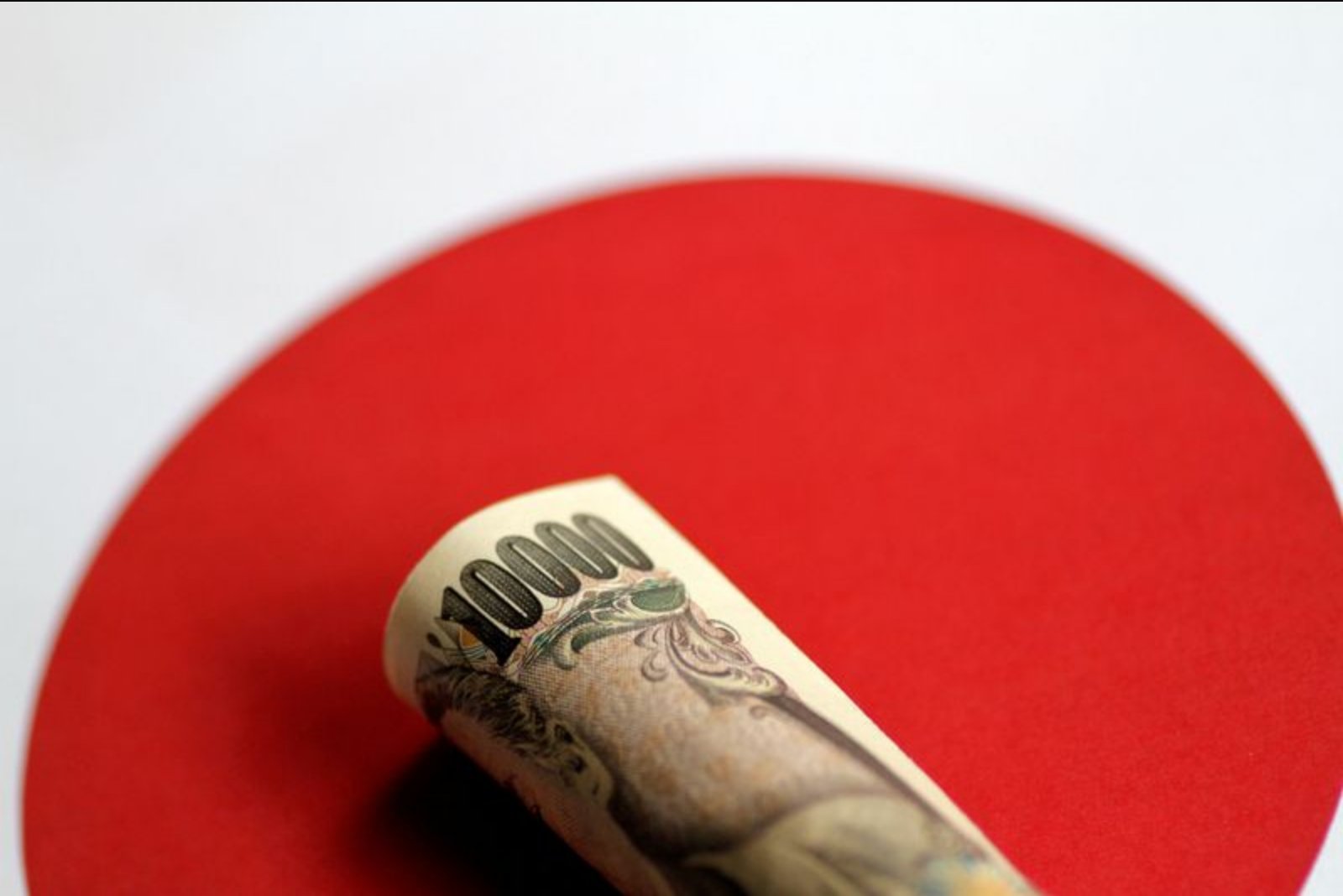
Japan's currency rallied sharply on Thursday, climbing roughly 3% in a single session after Tokyo officials issued what market participants described as a stark warning that intervention to shore up the yen could be near. By 1250 GMT the dollar was quoted at 155.94 yen as the Japanese currency moved markedly stronger, recording its largest one-day advance in over three years.
The U.S. dollar was on track for its steepest daily decline since December 2022, when it fell about 3.8% in one day. The move came after Japanese Finance Minister Satsuki Katayama said earlier on Thursday that the timing to take "decisive action" in the market was nearing - language seen by traders as the strongest indication yet that officials are prepared to step in if the yen continues to weaken.
Some market sources pointed to the pattern of the drop, which they said began in earnest around 1026 GMT, and suggested it bore the hallmarks of possible official buying of the yen. Observers noted, however, that in previous episodes of official intervention, declines in the dollar against the yen were often even more abrupt.
Societe Generale currency strategist Kenneth Broux commented on the move, saying: "It certainly looks like it and short covering." He added: "The 'final warning' comment has rattled a few accounts for sure." Weekly positioning data, he and others noted, show investors holding the largest short position betting on further yen depreciation since July 2024.
Attempts to reach the Japanese finance ministry's foreign exchange division for immediate comment were unsuccessful. Tokyo's last direct intervention occurred when the yen weakened to almost 162 per dollar in July 2024.
Traders remain cautious given the persistent talk of intervention. Reports said intervention has been a threat ever since the New York Federal Reserve conducted a rate check in January - a development markets interpreted as at least tacit U.S. approval, if not outright support, for a stronger yen.
Bank of America senior FX strategist Kamal Sharma described the market mood, saying: "There’s been no confirmation from the BOJ but there is a heightened sense of urgency this morning on the willingness to intervene." He added: "I suspect the market was poised for a move once we got over 160 yesterday and now we are back down near 157."
In real terms the yen is trading close to record lows. Since the U.S. and Israel launched their war on Iran, the yen has fallen against the dollar, a trend that Prime Minister Sanae Takaichi's administration has publicly flagged as harmful. A weaker currency increases the cost of imported fuel, intensifying concerns over inflationary pressures.
Earlier this week the Bank of Japan left interest rates unchanged, though three of its nine board members voted to raise borrowing costs, signaling that some policymakers are worried about inflationary fallout from the conflict.
What are the best investment opportunities in 2026? The best investments start with better data. Going with your gut has its place, but when excitement masquerades as intuition, it can lead to costly mistakes - or analysis paralysis. InvestingPro combines institutional-grade data with AI-powered insights that you don't need a finance PhD to understand. It won't guarantee winners, but it will certainly help you find more of them, more often. So what are the best investments of 2026 so far? Ask WarrenAI, then decide.