
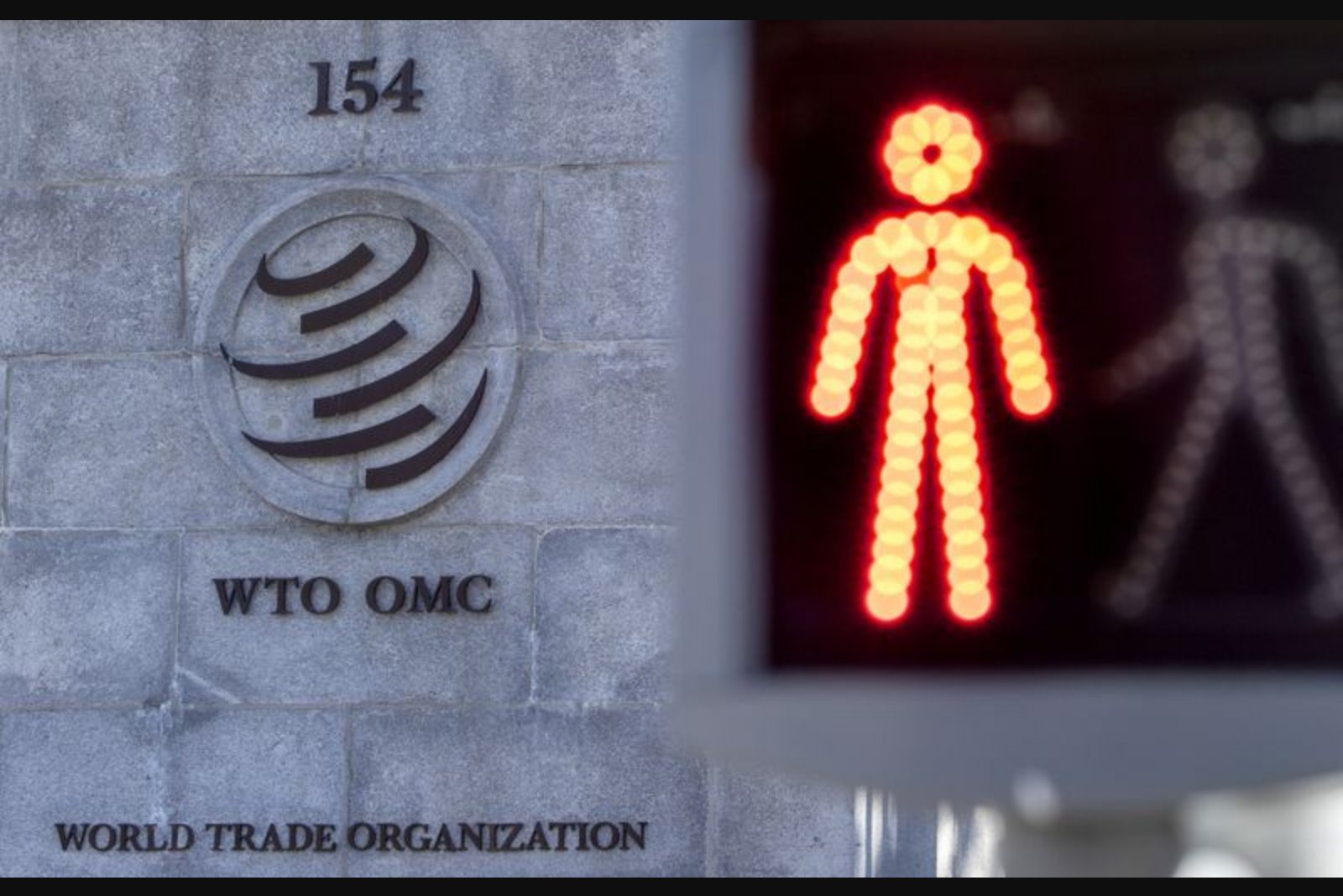
The World Trade Organization is preparing to reduce its expenditure by about 10% for 2026 as a consequence of rising arrears among its members and the United States slipping back into the first tier of overdue contributors, according to internal classified WTO budget documents.
Those internal papers, dated March 12 and February 18, lay out a package of cost-saving measures designed to bridge a funding shortfall that has emerged after a greater number of members failed to pay assessed contributions on time. The documents also record that Washington - historically the organisation's largest financial contributor - has re-entered Category 1 arrears, a designation for members that have not paid for at least one year but for less than two years.
The budget committee papers describe a range of immediate spending reductions the Secretariat has proposed. They include eliminating 39 short-term, full-time equivalent positions, instituting a freeze on recruitment of fixed-term staff, relying more heavily on low-cost interns and cutting operating outlays such as electricity expenses. The aim is to reduce spending from the 204.9 million Swiss francs budget approved for 2026 to 183.4 million Swiss francs until outstanding contributions are received.
One March 2 classified report prepared for the committee on budget, finance and administration states that in response to the arrears situation the Secretariat has planned a 10% reduction in spending in 2026. A separate restricted document dated February 18 shows the specific proposed reduction in the 2026 budget figure to 183.4 million Swiss francs as a temporary bridge measure.
The organisation's finances have been strained by what the documents describe as the largest arrears problem in a decade. At the end of 2025, 20 members were recorded as being subject to administrative measures; a committee chairperson's statement dated March 12 shows that the number of members under administrative measures had risen to 29, including the United States.
WTO rules impose graduated administrative measures on any member that fails to pay its assessed contributions for more than a year. Members in the first of three categories of arrears cannot preside over WTO bodies or receive certain official documentation. The February and March committee documents list the United States, Russia and several lower-income countries as being in Category 1.
According to an assessment based on end-December figures cited in a WTO document, the United States owed 23.09 million Swiss francs, which the document calculates as roughly 11% of the body's annual budget. A classified note shows the U.S. had been in Category 1 arrears during the previous year but was removed from the list by the end of 2025 after making a payment. The March document records a subsequent return to Category 1.
The papers also point out that advance payments by some members early in the year provided the WTO with valuable short-term cash flow. Nonetheless, the Secretariat stated that arrears need to be cleared as soon as possible to stabilise operations.
In recent public statements referenced in the documents, the United States has signalled it expects a reduced role for the WTO in global trade governance, preferring regional and bilateral channels and, where deemed necessary, unilateral approaches. The organisation has also faced challenges in recent years from trade tensions and a period of paralysis at its top appeals body after appointments were blocked beginning in 2019.
The budget committee's proposed changes will be discussed at the WTO General Council meeting scheduled for Wednesday in Geneva. The WTO did not provide a comment on the internal papers, and the U.S. Trade Representative did not respond to a request for comment, according to the committee's records.
For an institution that oversees the global rulebook on trade, the documents frame a near-term squeeze on staffing and operations intended to preserve core functions while member contributions remain unsettled. The approach prioritises immediate cash conservation - through reduced personnel costs and lower operating expenditures - rather than program expansion, until arrears are resolved.
Summary: Internal WTO budget documents show the organisation plans a roughly 10% cut to 2026 spending amid a rise in unpaid contributions by members, including the U.S. returning to Category 1 arrears. Proposed measures include cutting 39 short-term positions, imposing recruitment freezes, greater use of interns and reductions in operating costs, with the temporary 2026 budget lowered from 204.9 million Swiss francs to 183.4 million Swiss francs. The revised budget will be discussed at an upcoming General Council meeting.