
Economy April 23, 2026 03:50 PM

U.S. Imposes Preliminary Antidumping Duties on Solar Panels from India, Indonesia and Laos

Commerce Department finds dumped imports undercut domestic factories; steep duties set ahead of final determinations

By Hana Yamamoto
U.S. Imposes Preliminary Antidumping Duties on Solar Panels from India, Indonesia and Laos

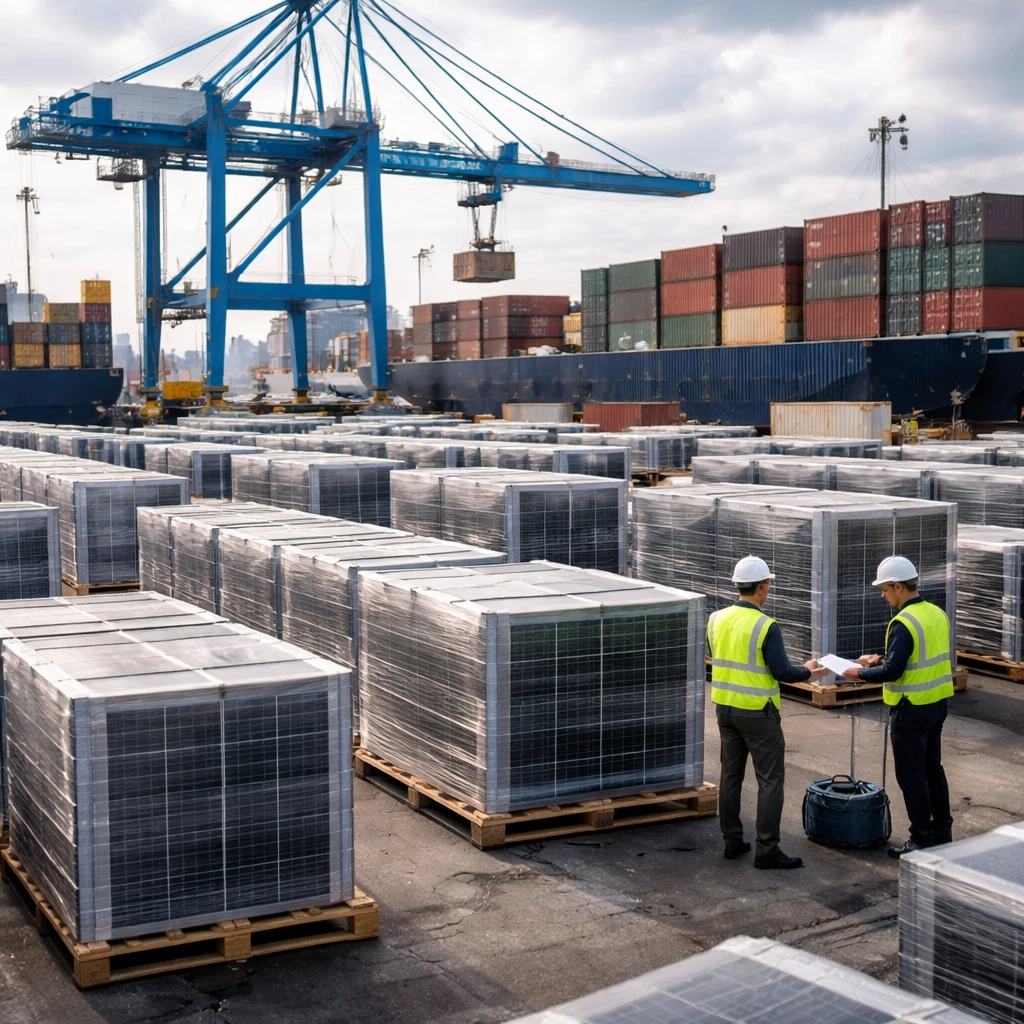
The U.S. Commerce Department announced preliminary antidumping duties on solar cells and modules imported from India, Indonesia and Laos, saying companies in those countries sold products in the U.S. below fair value. The agency set provisional rates of 123.04% for India, 35.17% for Indonesia and 22.46% for Laos. The three countries supplied roughly $4.5 billion in solar imports to the U.S. last year, about two-thirds of the total, and industry petitioners representing U.S. and domestic manufacturers initiated the action.

Key Points

  • The Commerce Department issued preliminary antidumping duties on solar cells and panels from India (123.04%), Indonesia (35.17%) and Laos (22.46%). - Affects solar manufacturing and import/export activity.
  • Imports from the three countries totaled about $4.5 billion last year, roughly two-thirds of U.S. solar imports. - Impacts supply chains and procurement for U.S. solar project developers.
  • The antidumping petition was filed by the Alliance for American Solar Manufacturing and Trade, which includes First Solar, Qcells (Hanwha’s solar division), Talon PV and Mission Solar. - Relevant for domestic manufacturers and competitors.

The U.S. Commerce Department on Thursday issued a preliminary determination that solar cells and panels imported from India, Indonesia and Laos were being dumped into the American market, undercutting domestic factory output. Federal trade officials calculated provisional antidumping duty rates of 123.04% for imports from India, 35.17% for imports from Indonesia, and 22.46% for imports from Laos, according to a department fact sheet.

Those measures apply specifically to solar cells and modules originating in the three named countries. The department said its initial finding sided with domestic solar factory owners who alleged that foreign producers sold goods at unfairly low prices in the United States.

Government trade data cited in the department material show that the three nations together accounted for $4.5 billion of U.S. solar imports in the previous year, representing about two-thirds of total U.S. solar import volumes. The Commerce Department described the move as the latest in a succession of tariffs imposed over the past decade on solar imports from Asia.

The petition that triggered the antidumping investigation was filed by the Alliance for American Solar Manufacturing and Trade. The alliance includes companies such as First Solar, Qcells - the solar division of Hanwha, and private firms Talon PV and Mission Solar. The group represents domestic manufacturers that sought relief through trade remedies.

The department’s preliminary duty rates are not final. They precede a conclusive ruling on antidumping duties, and will stand as the agency’s provisional measures while the process continues toward a final determination. The announced rates will affect shipments of solar cells and modules from India, Indonesia and Laos to the United States during the interim.


Contextual note: The decision is characterized in the department’s statement as a setback for producers in the three exporting countries that had been supplying product to the growing U.S. market. The preliminary finding and assigned duty levels mark a regulatory step that could alter trade flows for solar components while the Commerce Department completes its final review.

Risks

  • Preliminary nature of the ruling - duty rates may change before a final Commerce Department determination, creating uncertainty for importers and project planners in the solar sector.
  • Potential disruption to suppliers in India, Indonesia and Laos - manufacturers in those countries who were exporting to the U.S. market may see reduced access or increased costs, affecting regional manufacturing and trade flows.

More from Economy

Markets Brace as Fed Leadership Shifts and Geopolitical Strains Loom Apr 29, 2026 White House Directs Preparations for Extended Iran Blockade Apr 28, 2026 Dollar Holds Firm Ahead of Fed Decision as Middle East Conflict Keeps Markets Cautious Apr 28, 2026 HHS Seeks Candidates to Reconstitute Preventive Services Panel After Year-Long Hiatus Apr 28, 2026 NIESR Cuts UK Growth Outlook, Warns Inflation Will Remain Above Target Until 2028 Apr 28, 2026