
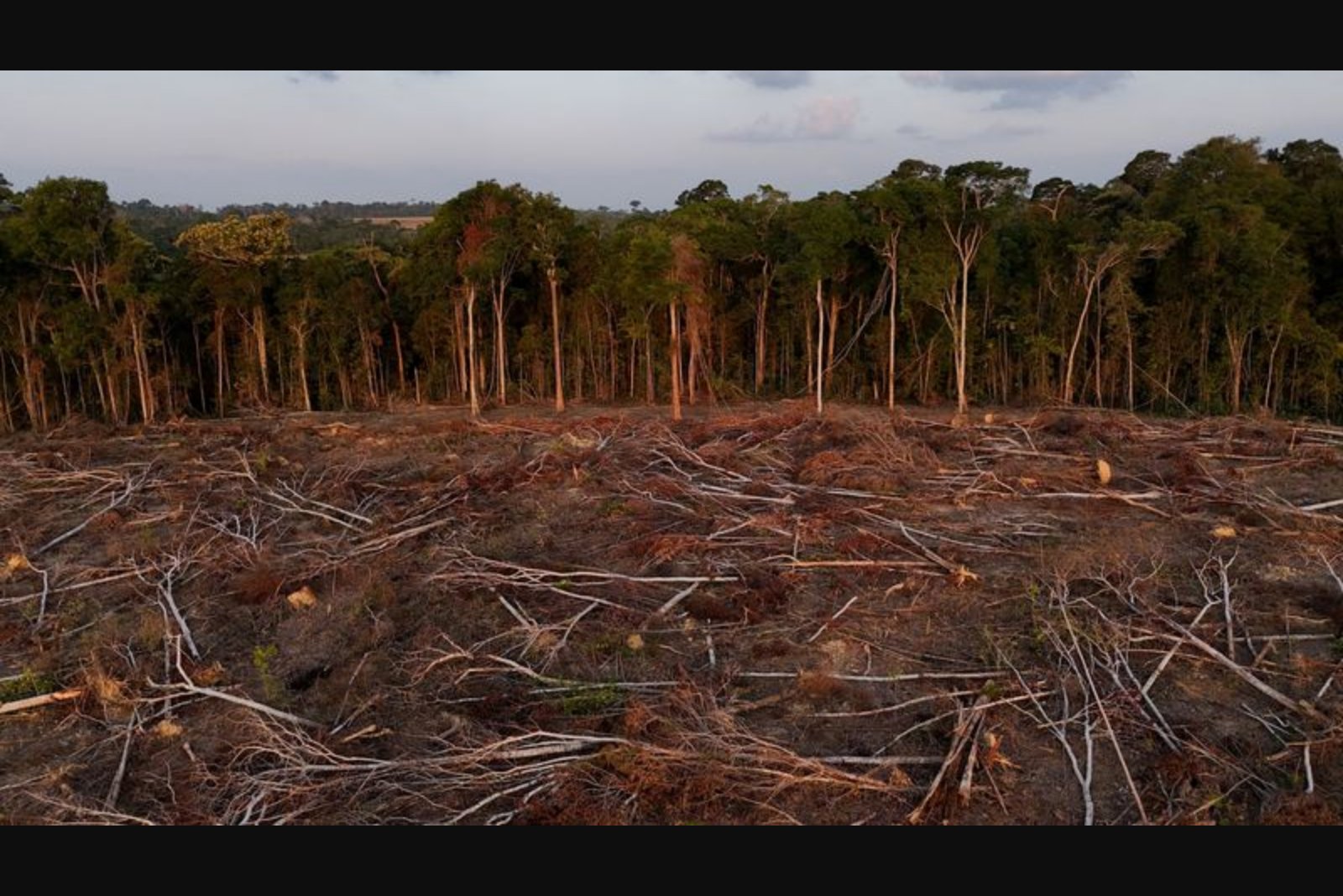
Destruction of primary tropical forests eased in 2025, according to an annual analysis released this week, offering evidence that policy interventions can materially reduce tree cover loss even as warming temperatures and agricultural expansion continue to exert pressure.
The report found the world lost 4.3 million hectares (10.6 million acres) of pristine tropical forest last year, a decline of 36% compared with 2024. Analysts attribute much of that reduction to steps taken in Brazil to limit deforestation after President Luiz Inacio Lula da Silva pledged stronger protections when he assumed office in 2023.
"It’s encouraging, when the problem feels massive, (that) there are real interventions that work out there and we can see it in the data," said Elizabeth Goldman, a co-director of Global Forest Watch. Goldman is part of the team behind the annual report prepared by the World Resources Institute and the University of Maryland.
Despite the drop in primary tropical forest loss, Goldman cautioned that the global trajectory remains far off course. The report estimates countries are deforesting about 70% more than would be consistent with the international commitment signed by almost all countries in 2023 to halt and reverse forest loss by 2030.
"Achieving this goal in the coming years will not be easy," she added.
Agricultural expansion remained the principal driver of forest loss worldwide. Commercial farm commodity production was identified as a key force behind deforestation in countries such as Brazil, Bolivia and Indonesia. In the Democratic Republic of Congo, the analysis highlights subsistence agriculture as a leading cause of tree cover removal.
Longstanding policies in Malaysia and Indonesia have continued to limit the loss of primary forests in areas historically pressured by oil palm plantations. Yet policy shifts also contributed to increases in some places: Indonesia’s push, led by President Prabowo Subianto, to expand a food estate program designed to boost domestic food self-sufficiency was cited as a factor in higher deforestation there last year.
Environmental groups have warned that the end of an industry-wide commitment to avoid buying soybeans from recently deforested farms in the Amazon this year could produce a similar uptick in Brazil in coming years.
The report also examined forest loss beyond tropical zones and found global forest loss across multiple ecosystems fell 14% in the latest year. Still, the analysis underscores mounting evidence that climate change is increasing stresses on forests.
Canada experienced its second-worst fire season on record last year, the report noted. The amount of boreal forest burned in the past three years there was about five times the average recorded over the prior 20 years.
In tropical regions, where fire ignition is primarily human-caused, drier conditions have meant that smaller burns can escalate into very large fires.
Rod Taylor, WRI’s global director for forests, said that although forests remain powerful carbon sinks that help slow climate change, fires and droughts on a warmer planet are increasingly turning these ecosystems into sources of greenhouse gas emissions. "We’re on a kind of knife’s edge," he added.
The report’s findings suggest that targeted public policy can reduce primary tropical forest loss in the near term, but they also underline the fragility of those gains in the face of competing drivers such as agricultural expansion, policy reversals, and climate-amplified fire and drought risk.