
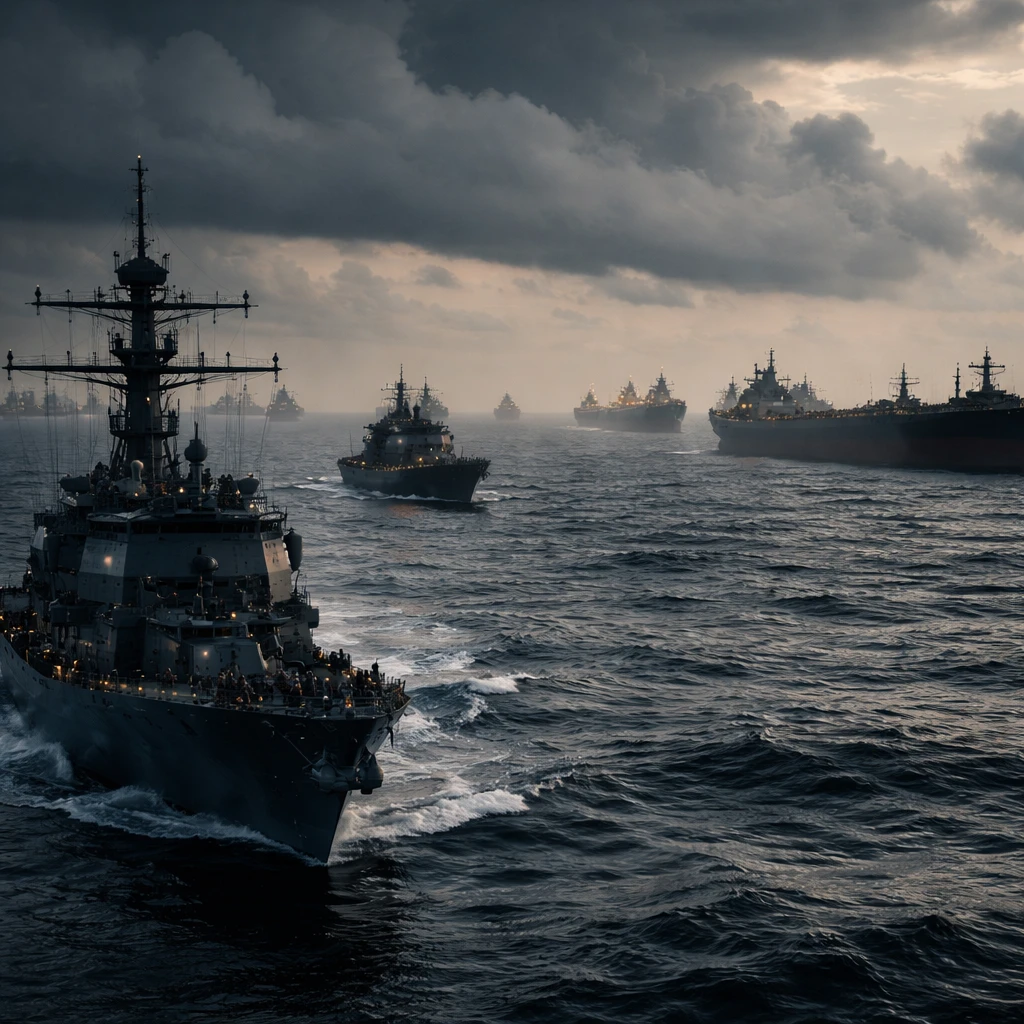
U.S. President Donald Trump has ordered his aides to prepare for a sustained blockade of Iran, directing focus toward long-term economic pressure as the administration evaluates its next steps in the regional conflict, U.S. officials said.
Those officials said the president has embraced a strategy that would intensify efforts to choke Iran's oil exports and tighten restrictions on shipping to and from Iranian ports. The blockade approach is being viewed within the administration as carrying lower risk than either restarting large-scale military strikes or seeking a rapid diplomatic settlement.
The decision follows an April ceasefire that halted a major bombing campaign, though it did not ease strains across the region and left tensions elevated, according to the officials.
Officials also said Mr. Trump recently turned down a three-step proposal from Iran. The plan would have reopened the Strait of Hormuz sooner while postponing negotiation on nuclear matters, but the administration judged the offer inadequate to secure the curbs it wants on Tehran's nuclear activities.
Central to the administration's stance is a firm demand that Iran agree to suspend uranium enrichment for no less than 20 years and accept additional restrictions beyond that timeframe. The president is not prepared to abandon that requirement, officials said.
While a blockade is intended to exert economic pressure on Iran, officials cautioned it also increases the likelihood of a drawn-out standoff. They warned the confrontation could evolve into what they described as a
"no-deal, no-war"phase, with diplomacy stalled and neither side achieving a decisive outcome.
The administration's preference for economic and shipping constraints marks a shift in tactics as it weighs the balance between military action and negotiated settlements. Officials' comments portray the blockade as a tool to maintain pressure while avoiding escalation associated with broad military campaigns, even as the prospect of a prolonged impasse grows.