
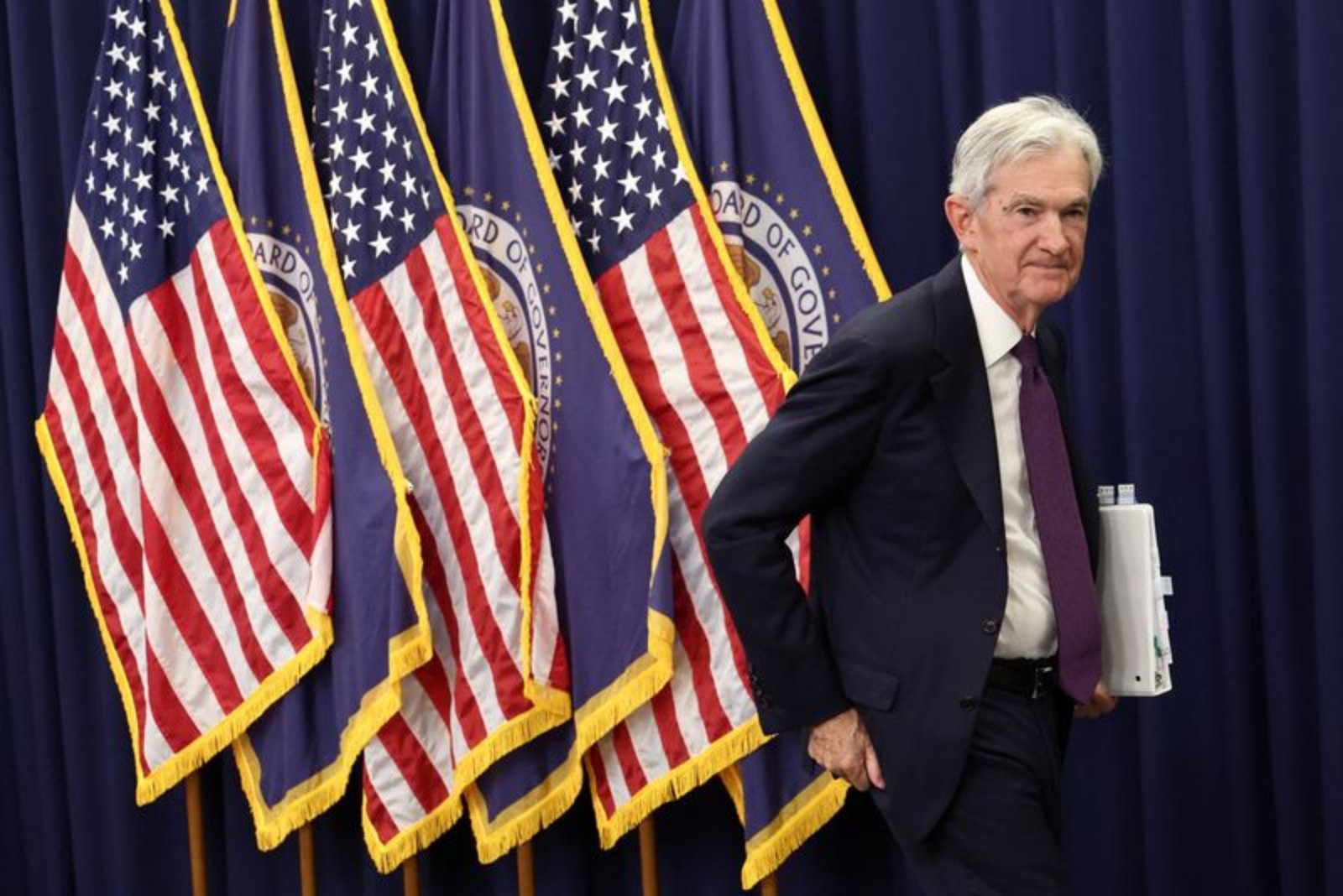
WASHINGTON, April 29 - Federal Reserve Chair Jerome Powell said on Wednesday that the U.S. economy has been "quite resilient" despite an energy shock associated with the Iran war, and indicated it is likely to expand at a pace above 2% this year. He attributed the outlook to persistent consumer demand and strong investment activity in data centers.
"Growth is really solid across our economy. Some of that is that consumer spending is hanging in pretty well, the most recent data are good. And some of it is just the apparently insatiable demand for data centers all over the United States," Powell said at what he described as his last policy news conference as Fed chair. He added: "So a lot of business investment going into building data centers, and every reason to think that that continues."
Powell also emphasized the Federal Reserve's determination to use its policy tools to return inflation to the 2% target. He said officials expect inflation to subside over the course of the year as the temporary effect of goods price inflation tied to last year's tariffs fades.
Context and implications
Powell's remarks tied together three elements stated during the news conference: the resilience of overall economic growth in the face of an external energy shock, the role of consumer spending in supporting activity, and the contribution of business spending on data centers to overall investment.
On inflation, Powell stressed the Fed's commitment to bring price growth back to its 2% objective and noted a specific factor - the one-time lift to goods prices from tariffs enacted last year - that should wane and help inflation moderate through the year.
Bottom line
Powell characterized the economy as holding up well amid external pressures, with consumer demand and heavy data-center construction underpinning growth above 2% this year, while reiterating the Fed's readiness to act to return inflation to target as tariff-driven goods-price effects ease.