
Economy April 13, 2026 12:33 AM

Oil Tops $100 as U.S. Moves to Block Iranian Ports; Markets Reprice Risk

Energy, commodities and bond markets react after U.S.-Iran negotiations fail and Washington announces a port blockade

By Caleb Monroe
Oil Tops $100 as U.S. Moves to Block Iranian Ports; Markets Reprice Risk

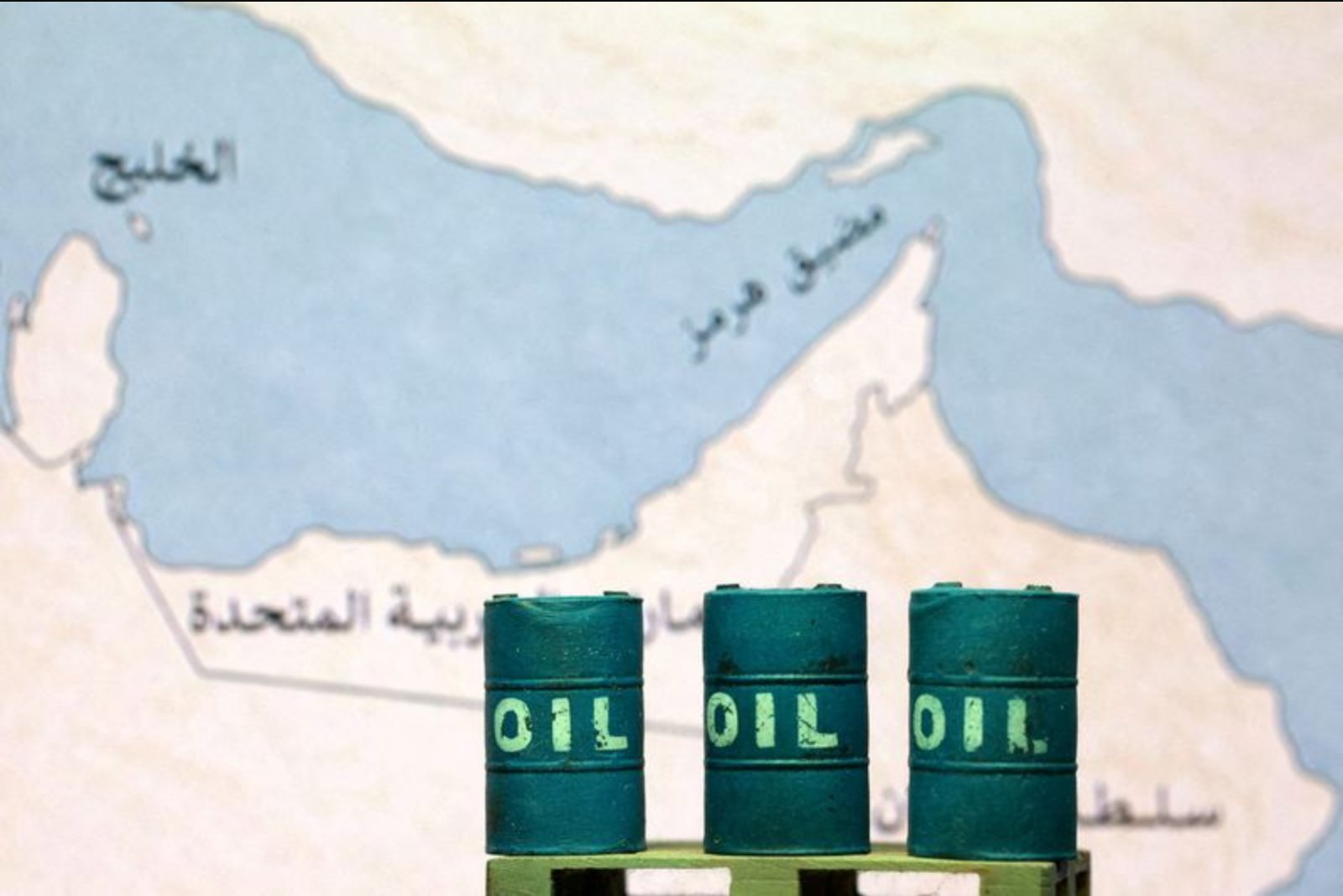
Oil futures climbed back above $100 at the Asian open as U.S.-Iran talks ended without progress and the United States declared a blockade of Iranian ports. The move, aimed at squeezing Tehran and the main buyers of its crude - notably China - prompted sharp moves across commodities, currencies and bonds. Hungary's forint rallied after the defeat of Viktor Orban, while broader markets largely returned to levels seen before last week's ceasefire agreement. U.S. corporate earnings season also resumes, with Goldman Sachs set to report before the open.

Key Points

  • Oil futures climbed back above $100 after U.S.-Iran negotiations failed and Washington announced a blockade of Iranian ports - impacting energy and commodity markets.
  • The U.S. blockade is aimed at pressuring Tehran and the primary recipients of Iranian crude, mainly China; removal of Iranian exports could reduce global supply by up to 2 million barrels per day - affecting oil and related markets.
  • Hungary's forint rallied following the defeat of Viktor Orban, as the result could allow European Union funding to resume to Hungary and potentially Ukraine; U.S. corporate earnings resume with Goldman Sachs reporting before the open - relevant to equities and financials.

Market overview

Oil futures rose above $100 at the start of Asian trading after U.S.-Iran talks broke down without making headway toward a lasting peace. The dollar eased and equity indexes were lower as the U.S. announced a blockade of Iranian ports. Officials framed the measure as an effort to increase pressure on Tehran and on the principal purchasers of Iranian crude, primarily China.

Supply and military implications

Analysts cited in market commentary characterised the blockade as an act of war that would require an open-ended deployment of a significant number of warships. Market participants priced in the potential loss of Iranian exports, which, if removed from world markets, could reduce global supply by as much as 2 million barrels per day. That prospective cut in supply was a primary driver behind the jump in oil prices.

Spillovers to other markets

Soft commodities climbed sharply amid elevated concerns about disruptions to fuel and fertiliser flows. At the same time, bond markets experienced selling pressure amid worries that heightened risks could push inflation higher. Despite the early moves, several asset prices in the Asia session were not pushed to extreme levels and in many cases settled back toward where they traded around the middle of last week, before the U.S., Israel and Iran agreed a ceasefire.

Currency and political developments

Hungary's forint strengthened markedly after Viktor Orban was defeated in Sunday's election. That outcome was seen as likely to reopen the path for European Union funding to flow to Hungary and potentially to Ukraine as well, underpinning the currency's gains.

Corporate calendar

With geopolitical headlines driving short-term moves, markets will also focus on the resumption of U.S. earnings season. Goldman Sachs is scheduled to report before U.S. markets open, a development listed among key items that could influence trading on Monday.

Looking ahead

Traders and investors are expected to remain sensitive to headlines related to the U.S.-Iran standoff and to data from corporate reports as they reassess risk, supply, and inflation dynamics. For now, the combination of a declared blockade, the prospect of a substantial reduction in Iranian exports, and the political shift in Hungary are the principal developments shaping markets.

Risks

  • Military and logistic risk: The blockade has been described as an act of war that would require an open-ended commitment of a significant number of warships, potentially prolonging geopolitical tensions - relevant to defense, shipping and energy sectors.
  • Supply shock risk: If Iranian exports are removed, global oil supply could fall by up to 2 million barrels per day, heightening price volatility in oil and soft commodities and influencing inflation expectations - relevant to energy, agriculture and consumer goods sectors.
  • Inflation and bond market risk: Increased concern about fuel and fertiliser disruptions has already driven sharp rises in soft commodities and prompted bond selling on worries about inflation upside - relevant to fixed income and inflation-sensitive assets.

More from Economy

Markets Brace as Fed Leadership Shifts and Geopolitical Strains Loom Apr 29, 2026 White House Directs Preparations for Extended Iran Blockade Apr 28, 2026 Dollar Holds Firm Ahead of Fed Decision as Middle East Conflict Keeps Markets Cautious Apr 28, 2026 HHS Seeks Candidates to Reconstitute Preventive Services Panel After Year-Long Hiatus Apr 28, 2026 NIESR Cuts UK Growth Outlook, Warns Inflation Will Remain Above Target Until 2028 Apr 28, 2026