
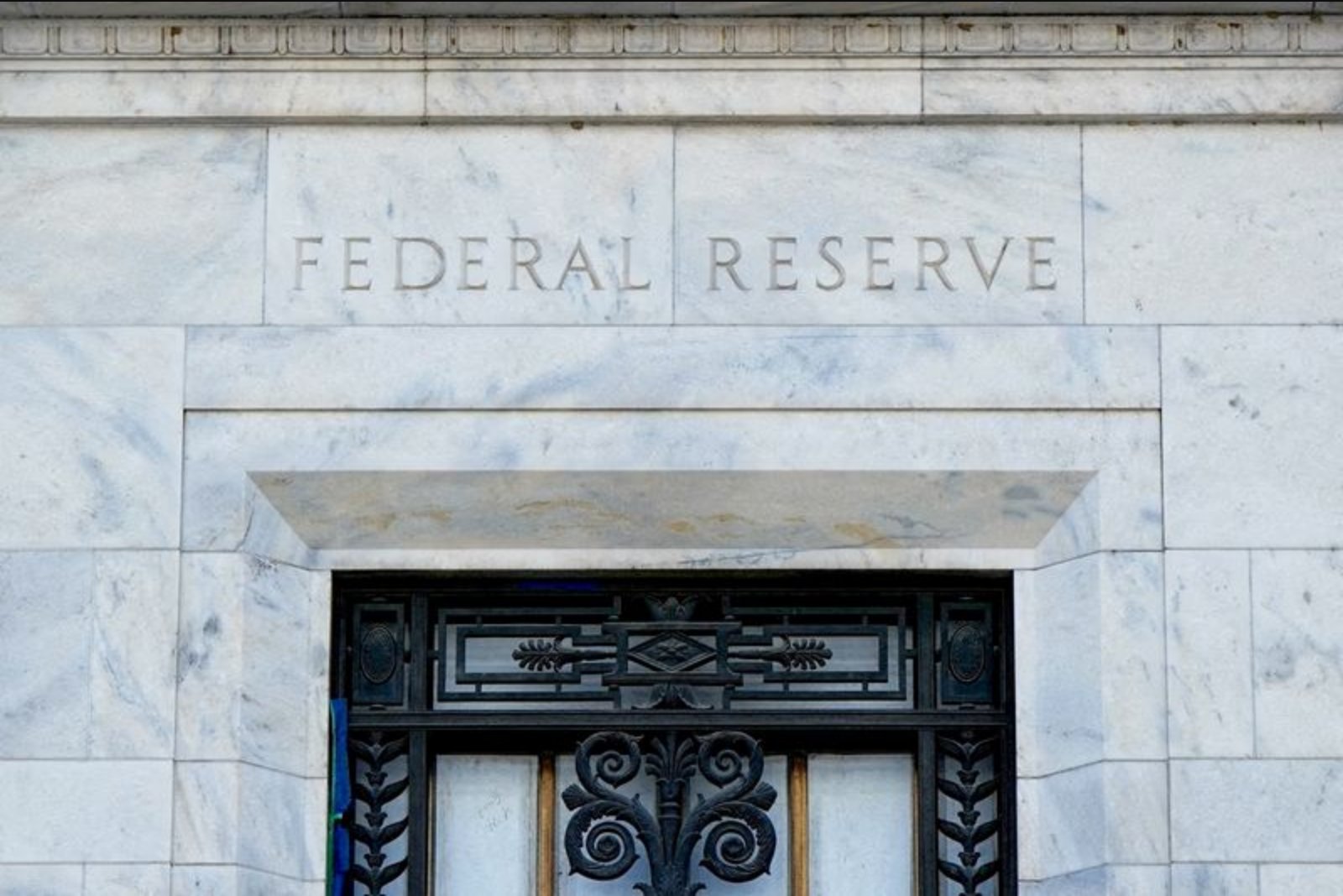
Morgan Stanley said on Wednesday it no longer expects the Federal Reserve to begin cutting interest rates in 2026, and instead sees the central bank initiating reductions next year. The adjustment reflects persistent inflation and signs of continued economic and labour market strength, the Wall Street firm said in a note released after the Fed's decision to keep policy rates unchanged.
The Fed's vote to stand pat was notably divided - the most split decision since 1992 - a result that markets interpreted as a signal of caution and uncertainty. That division accompanied a move higher in U.S. Treasury yields to their strongest levels in about a month and pushed the dollar to a two-week high.
Morgan Stanley flagged that inflation remains above the Fed's 2% target and pointed to recent economic data that indicate ongoing robustness in growth and job markets, factors that reduce the immediate need for policy easing. "The bar for cuts is higher and the Fed seems prepared to wait," the bank wrote, adding that policymakers are likely to act carefully as they evaluate the delayed effects of previous tightening and whether recent disinflation trends will persist.
In its updated outlook, the brokerage projected rate cuts in January and March as inflation pressures ease more convincingly and growth decelerates toward trend. The firm abandoned its prior forecast for 2026 cuts in favor of this later timetable.
Other market commentators have expressed similar caution. Earlier this month, Deutsche Bank said it expects the Fed to keep rates unchanged in 2026, citing still-elevated inflation and a cautious policy stance. In response to the Fed's latest decision, traders adjusted expectations markedly: CME FedWatch shows the market now prices about a 44% chance of a rate increase by April 2027, up from roughly 8% prior to the decision.
Heightened geopolitical developments were also noted as a complicating factor for policymakers. Several Fed officials said earlier this month that the war in the Middle East has already contributed to inflationary pressures, and that the increased uncertainty has made it more difficult for the central bank to deliver clear guidance on future rate moves.
Beyond the immediate market reaction, Morgan Stanley's shift in timing underscores how persistent inflation readings and resilient activity can alter expectations for the policy path. The bank's revised view emphasizes caution and the need for more convincing signs of disinflation before the Fed moves to ease policy.
Promotional note present in the original material: The source material also included a promotional passage encouraging investors to use data-driven investment tools to identify opportunities in 2026. That material highlighted the value of combining institutional-grade data with AI-powered analysis to help locate potential investments, noting such tools do not guarantee winners but can assist in the selection process.