
ORLANDO, Florida, April 29 - Oil surged toward $120 a barrel on Wednesday as fresh worries about supply tightened markets, while U.S. government bond yields rose and global equity bourses showed uneven performances after the Federal Reserve opted to keep interest rates unchanged in a decision that exposed the most divided vote since 1992.
The energy complex led moves in risk assets, with Brent up about 7% on the day and registering its highest close in four years, settling just under $120 per barrel. Precious metals softened as investors rotated toward energy and rates, with gold down about 1% and silver falling roughly 2%.
Market snapshot
- Stocks: Asian markets were generally higher, led by China which rose about 2%. European equities moved lower - the Stoxx 600 slid 0.6% to a three-week low while the FTSE 100 declined about 1%. On Wall Street, the Dow fell roughly 0.6% while the S&P 500 and Nasdaq were essentially flat.
- Sectors and shares: Seven of the 11 S&P 500 sectors fell and four rose, with the energy sector the largest gainer at about +2.4%. In after-hours trade, major tech names showed a mixed reaction: Meta dropped about 5% while Alphabet jumped about 5%; Amazon and Microsoft dipped modestly amid choppy sessions.
- FX: The dollar strengthened. Dollar/yen breached the 160.00 mark, putting the market on heightened intervention alert.
- Bonds: The U.S. 10-year Treasury yield moved above 4.40%, a one-month high. Euro zone 10-year yields closed at their highest levels since 2011, and the 10-year gilt yield settled further above 5% for its highest close since 2008.
Fed decision and the leadership handover
The Fed left policy rates unchanged as widely expected, but the internal division in the vote was the focal point for markets. The split was the most pronounced since 1992, underscoring differing views among policymakers about the near-term path for policy.
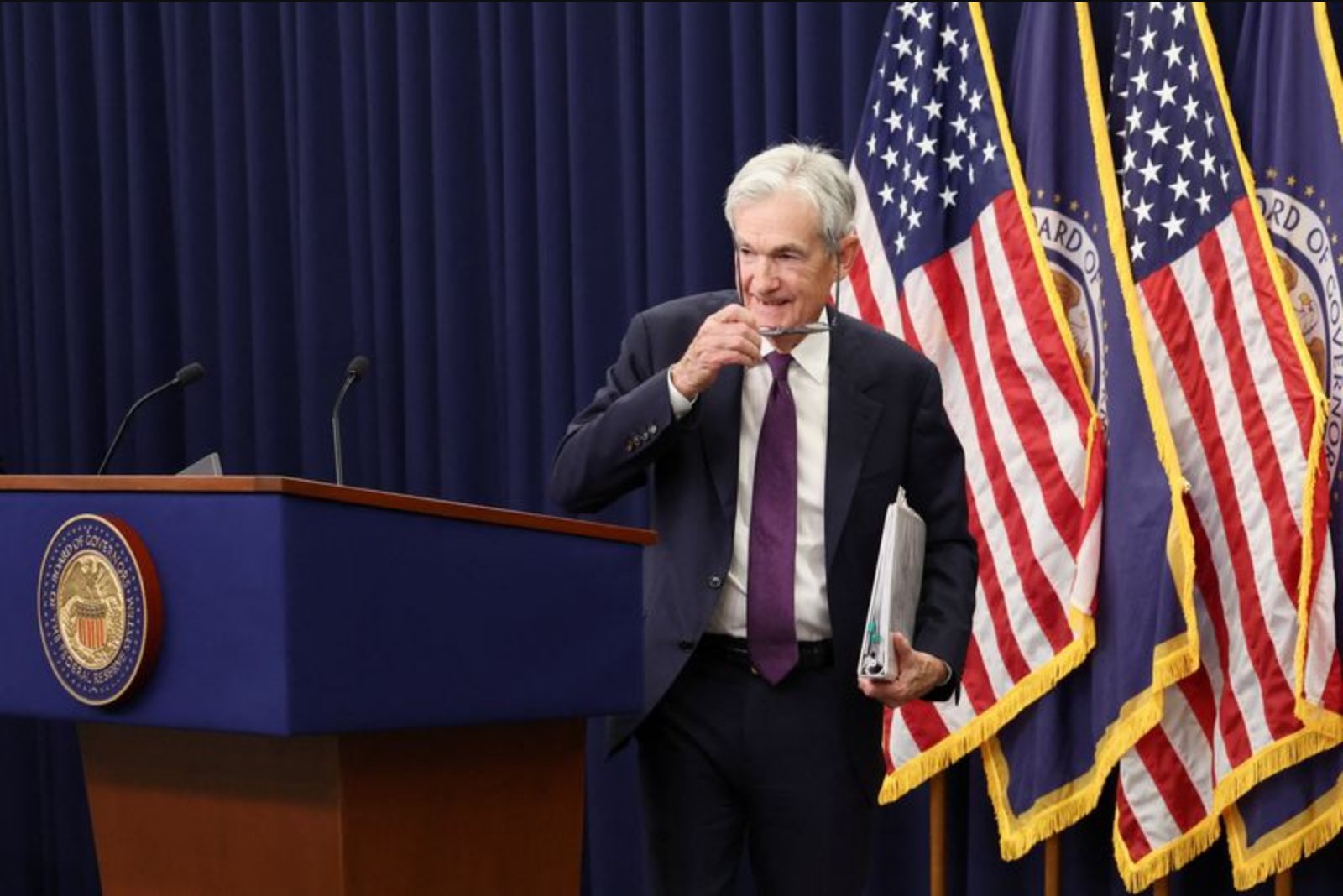
At his final press conference as Fed chair, Jerome Powell offered parting remarks to reporters, saying: "Anyway, thank you very much everyone. I won’t see you next time." Powell will remain on the board as a governor for a period after leaving the chairmanship. His successor, Kevin Warsh, cleared a key procedural hurdle in the Senate on Wednesday and is expected to face a full Senate confirmation vote in the week of May 11.
Big tech earnings and hyperscaler impact
Four of the so-called 'Magnificent Seven' U.S. technology giants reported quarterly results in after-hours trading for the January-March period - Alphabet, Amazon, Meta and Microsoft. Combined revenue for these reports came to about $287 billion, a figure that includes Amazon’s cloud computing revenue. Market participants are watching the forward-looking commentary from these companies closely, particularly on AI-related demand and the capital expenditure cycle that supports it, as that outlook is likely to shape sentiment and market pricing in the weeks ahead.
Initial market responses were mixed. Alphabet rose roughly 5% in after-hours trade, Meta fell about 5%, and both Amazon and Microsoft showed small declines amid volatile trading.
Currency strains and Japan
The yen slipped past the 160.00 per dollar threshold, a level many analysts view as one that could prompt concrete intervention by Japanese authorities to support the currency. So far, intervention has been limited to verbal warnings, and policymakers may deem the pace of depreciation consistent with fundamentals for now. Still, the situation is complicated: the yen is near an extended low in nominal terms and at record weakness in real effective exchange rate terms; Japanese financial conditions have loosened even as domestic government bond yields are the highest in decades. That blend of outcomes presents a difficult policy environment for Tokyo.
What could move markets next
Market participants flagged a broad slate of near-term events and data that could drive market direction, including developments in the Middle East, further moves in energy markets, Taiwan GDP (preliminary Q1), Japan consumer confidence (April), Japan retail sales (March), Japan industrial orders (March), China’s official PMI for April, rate decisions by the Bank of England and the European Central Bank, flash euro zone GDP and inflation data for April, Germany retail sales (March), Mexico GDP (Q1 flash), U.S. first-quarter GDP, weekly U.S. jobless claims, U.S. PCE inflation for March, the U.S. Chicago PMI for April, and upcoming U.S. earnings from Apple, Eli Lilly, Mastercard and Caterpillar.
Recommended reading
For readers seeking additional context on today’s market moves, titles flagged by market commentators include:
- Fed holds rates steady amid sharp divide over policy easing bias
- Fed chief nominee Warsh clears key hurdle in Senate confirmation process
- Traders see the Fed on hold for now, and a rising chance of a rate hike
- Trump met with oil firms on possible months-long extension of Iran blockade
- Transatlantic rate convergence may be a mirage: Mike Dolan
The combination of a volatile energy market, rising sovereign yields and currency pressures has produced a complex backdrop for investors and policymakers. While the Fed’s hold decision removed an immediate policy surprise, the pronounced split in the vote, the leadership transition, and simultaneous moves in oil, bonds and FX are likely to keep market attention focused on incoming data and central bank signals.