
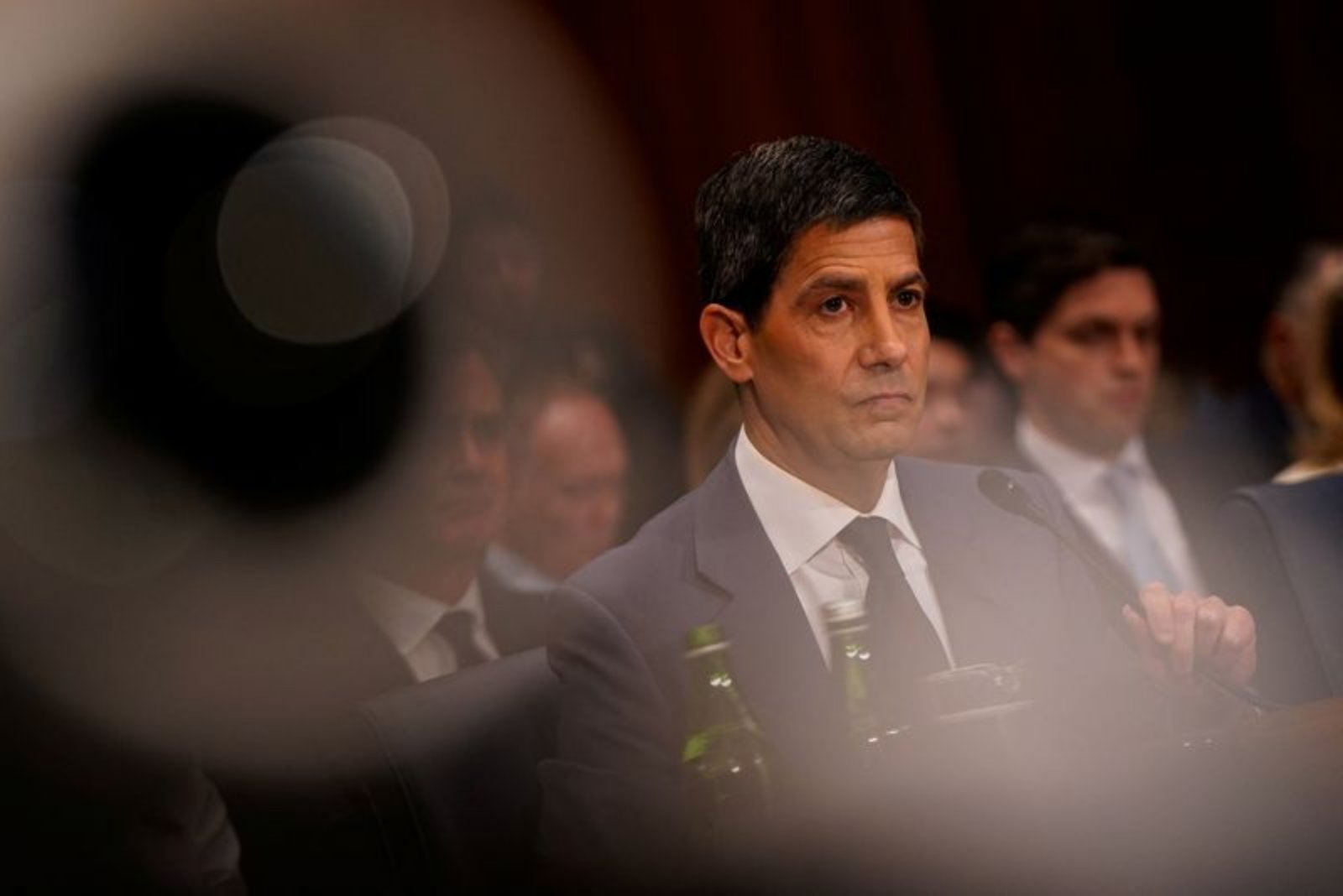
The U.S. Senate is expected to vote on Wednesday to confirm Kevin Warsh as chair of the Federal Reserve, a move that would install the 56-year-old lawyer and financier at the center of U.S. monetary policymaking at a time of intensifying inflationary pressure.
A roll-call vote is scheduled for 2 p.m. EDT (1800 GMT), following Tuesday’s approval by the Republican-majority body of Warsh’s nomination to the Fed’s seven-member Board of Governors. Formal assumption of both roles will await final White House signatures on paperwork returned by the Senate.
If confirmed, Warsh will replace Jerome Powell as Fed chair. Powell’s chair term ends on Friday; he will remain on the Board as a governor. Fed Governor Stephen Miran is expected to relinquish his seat on the board to make room for Warsh.
Policy backdrop and timing
Warsh is likely to be installed in time to preside over the Fed’s June policy meeting scheduled for June 16 to 17. He will enter a central bank engaged in a vigorous internal debate over the appropriate path for interest rates.
Several policymakers have signaled openness to raising rates, citing concerns that inflation is spreading beyond the direct effects of recent tariff actions and the jump in oil prices tied to the Iran war. These views contrast with calls from other quarters for rate cuts, including pressure from the president for easier policy.
Inflation data raising the stakes
The policy conversation is taking place against a backdrop of accelerating price measures. The Labor Department reported that an index of producer prices rose 6% in April from a year earlier, the fastest annual pace since December 2022 when the Fed was responding to a near-record surge in inflation with sharp rate hikes.
Analysts expect the Personal Consumption Expenditures price index - the Fed’s preferred inflation gauge - to have increased by 3.8% last month, moving further from the central bank’s 2% target. A separate government report showed consumer prices rose in April at the fastest pace in three years.
Market expectations and Fed projections
Financial markets have adjusted their outlook in response to the data: traders now anticipate no change to the Fed’s current 3.5% to 3.75% policy rate target this year and even price in the possibility of a rate increase as soon as January. That reflects diminished odds that the single rate cut projected in March’s Fed forecasts will materialize this year.
March’s projections for one rate cut now appear increasingly outdated as the unemployment rate remains near 4.3%, suggesting the labor market may not require support from easier monetary policy.
Factional dynamics inside the Fed
Warsh will join a policy committee where opinion is divided. As of April, at least five of the Fed’s 19 policymakers had urged changing the committee’s wording to signal that a rate hike is as likely as a rate cut in the months ahead. Warsh himself will inherit that contested terrain and will need to navigate differing views as the Fed prepares to release fresh rate-path forecasts in June.
Warsh is no stranger to internal debate. He previously served as a Fed governor during Ben Bernanke’s chairmanship and expressed reservations about policy during that tenure, though he left the Board in 2011 before casting a recorded dissent. During his confirmation hearing he told senators he welcomed robust debate among policymakers as they determine appropriate monetary responses.
Political and institutional strains
The political context has changed since Warsh’s earlier stint at the Fed. The current president has publicly pressed for rate cuts and, according to Fed Chair Powell, has pursued a "series of legal attacks" on the central bank - actions that Powell and others say threaten the institution’s independence. Those efforts included an attempt to remove Fed Governor Lisa Cook last year and a Justice Department criminal investigation of Powell that has been dropped for now but could be revived.
Powell has chosen to remain at the Fed beyond the end of his chair term, in part until the status of the DOJ inquiry is definitively resolved.
Warsh’s stated positions
Warsh has signaled some sympathy with the president’s preference for lower rates in the past, but at his confirmation hearing last month he told senators he had not made any explicit promises about his policy plans. He also faces an inflation landscape that differs from his prior time on the Board, when inflation was generally running below the Fed’s 2% target and he advocated for tighter financial conditions via a smaller balance sheet.
As Warsh prepares to take the helm, he will confront the combined challenge of rising price measures, split views within the Fed on the next policy move, and external political pressure that has placed the central bank under stress. Those dynamics will shape both the tone of upcoming Fed communications and the policy projections to be published in June.