
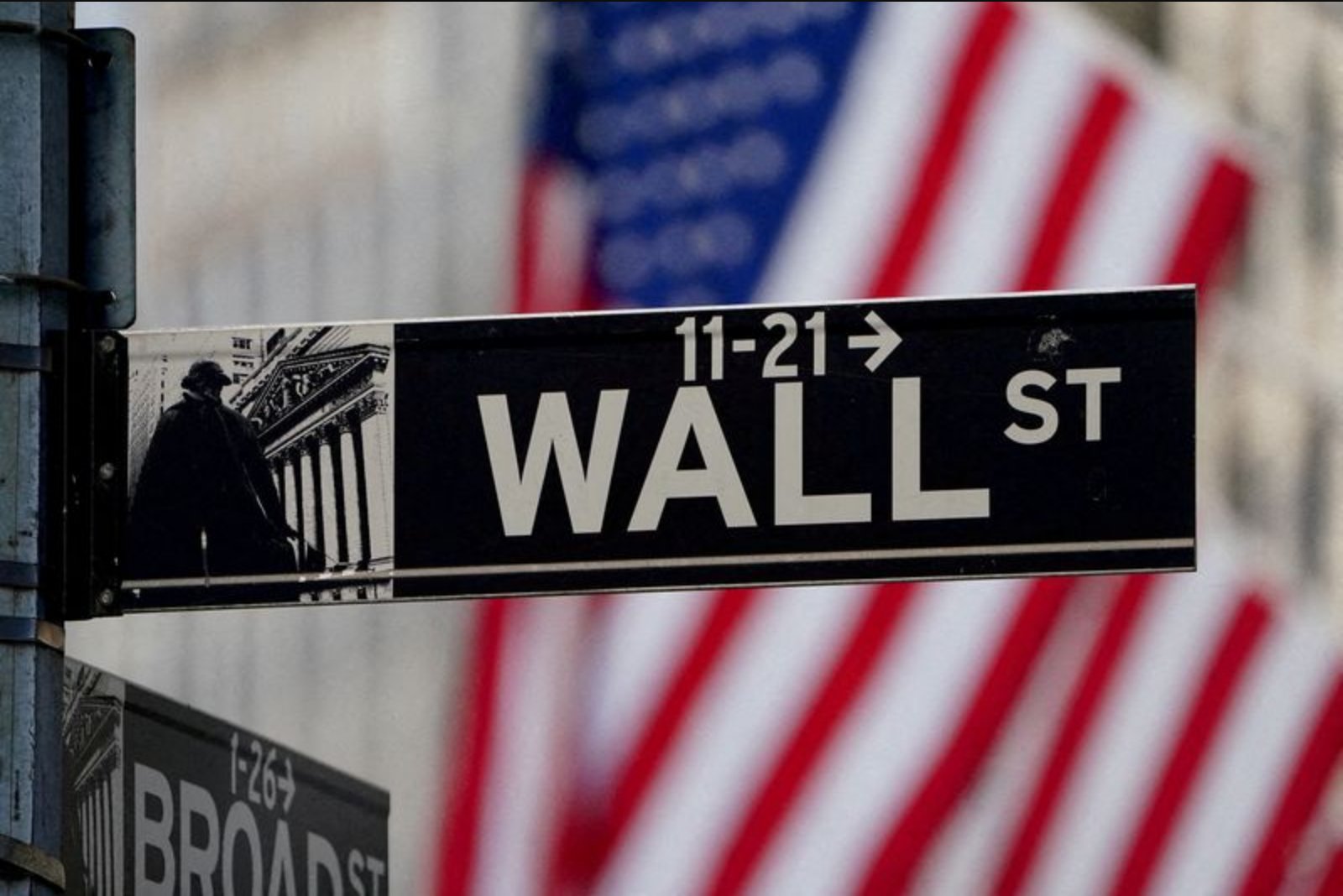
GMR Solutions, which operates under the widely recognized name Global Medical Response and counts private equity firm KKR among its backers, experienced a 10% decline in its New York Stock Exchange debut on Wednesday. The drop left the company with a market valuation of $3 billion following the initial public offering.
Shares opened at $13.50 each, below the $15 per-share offer price that had been set for the IPO. In total, the company sold about 31.9 million shares through the offering, generating $478.7 million in proceeds.
The debut occurred after the company significantly reduced the size of the deal on Tuesday and ultimately priced its shares well under the initial marketed range of $22 to $25 per share. That move reflected a challenging backdrop for the offering and a degree of investor caution toward newly listed companies.
Market commentary cited in the lead-up to the debut described the pickup in IPO activity as somewhat fragile. Analysts noted that investors have remained disciplined on valuation and have been willing to forgo what they perceive as less-compelling investment stories. Those observations help explain why GMR Solutions' shares opened below the IPO price and substantially under the previously marketed range.
The company is based in Lewisville, Texas, and operates in the emergency medical services sector. The IPO raised capital of $478.7 million through the sale of roughly 31.9 million shares, but initial trading showed investor demand that fell short of earlier expectations reflected in the marketed pricing.
Market context and immediate outcome
- The company's NYSE debut resulted in a valuation of $3 billion after a 10% share price decline.
- Shares opened at $13.50, below the $15 offer price and far under the originally marketed $22 to $25 range.
- Approximately 31.9 million shares were sold in the IPO, raising $478.7 million for the company.
Investors and market observers characterized the IPO environment surrounding the listing as cautious, with selectivity on valuations affecting demand for newly floated names. That dynamic was reflected in both the trimmed deal size announced ahead of the listing and the pricing outcome when trading began on the NYSE.