
Iran has conveyed a new proposal to U.S. officials designed to halt hostilities and restore passage through the Strait of Hormuz, according to U.S. and other sources with knowledge of the matter. The package, as described by those sources, would defer any substantive discussions about Iran’s nuclear program until a later stage.
Diplomatic channels between Washington and Tehran have yet to produce a breakthrough, even after President Donald Trump extended a ceasefire indefinitely last week. The proposed trade-off - reopening a crucial waterway now while postponing talks on nuclear matters - reflects the continuing impasse between the two capitals.
Over the weekend, Mr. Trump canceled a planned trip by senior U.S. diplomats to Pakistan that had been intended to facilitate further negotiations. The decision came shortly after Iranian delegates departed Islamabad, where they had been engaged in talks.
Efforts to schedule additional peace negotiations have made little progress. Two principal sticking points remain a U.S. naval blockade of Iranian waters and Tehran’s ongoing closure of the Strait of Hormuz. The newly reported Iranian offer would, according to those same sources, undercut U.S. leverage in future discussions aimed at removing Iran’s enriched uranium stockpile and persuading Tehran to halt further enrichment - objectives the U.S. has emphasized as central to the campaign.
Earlier in the conflict, Washington carried out strikes that severely damaged elements of Iran’s nuclear infrastructure in mid-2025. The precise status of Iran’s nuclear program remained unclear amid heightened regional tensions.
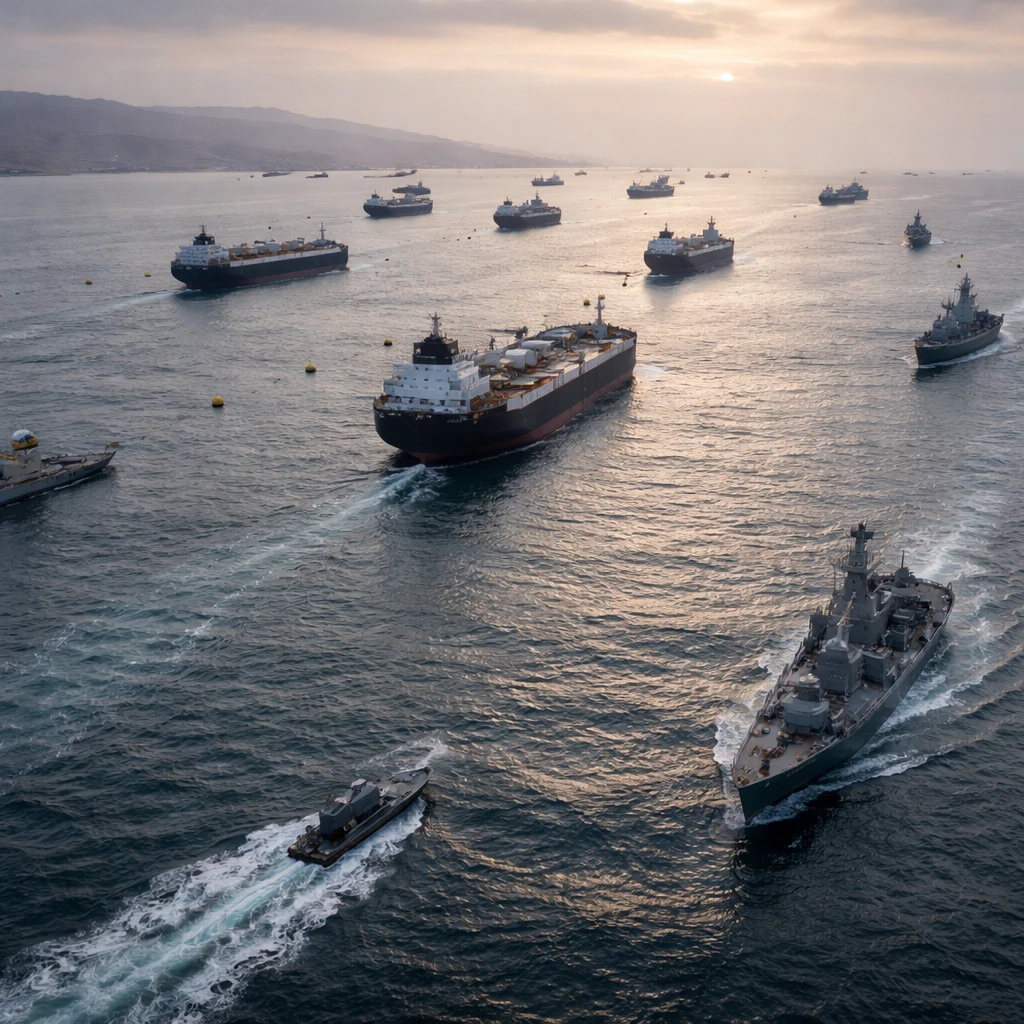
President Trump has persistently urged the reopening of the Strait, at times calling on NATO partners to support naval measures. Tehran has effectively kept the waterway closed since late February, employing a combination of missiles, mines, and fast-moving boats to assert control over the channel.
The closure of the Strait of Hormuz has been a focal point of the conflict because the passage accounts for roughly 20% of global oil supply. The shutdown has had immediate market implications, with oil prices rising sharply and several major Asian economies feeling the effects of restricted crude flows.
Context and continuing dynamics
The reported Iranian proposal draws a sharp line between immediate security concerns - reopening a strategic maritime route and suspending hostilities - and the more politically charged set of nuclear talks. Whether Washington will accept an agreement that leaves nuclear issues unresolved remains a central question in ongoing diplomacy.
As diplomatic activity stalls, military measures on both sides and the economic consequences of the Strait’s closure continue to shape the outlook for markets and regional stability.